
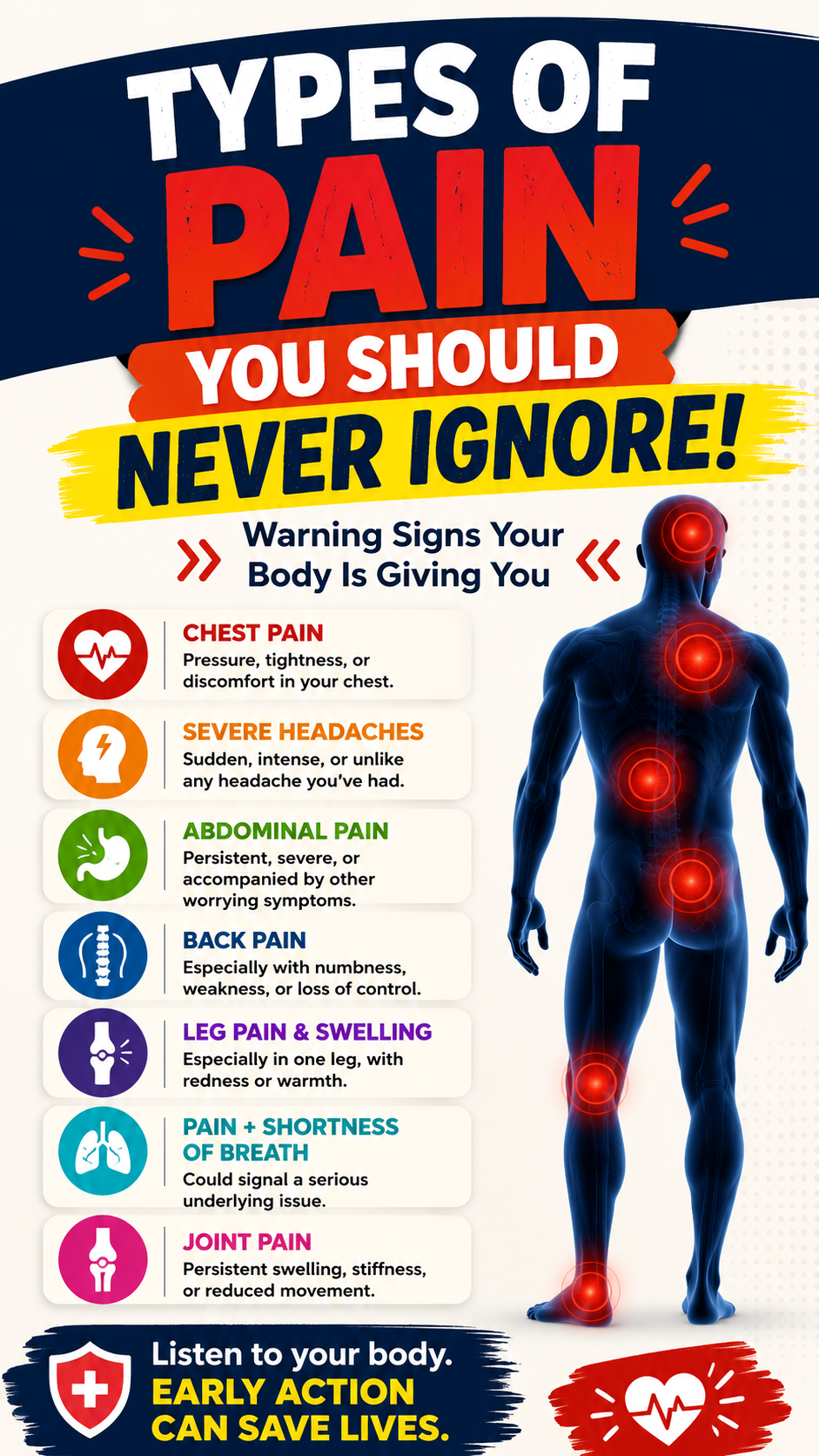
Pain is one of the body’s most powerful communication tools. It alerts us when something is wrong, encourages us to slow down, and often signals the need for medical attention. While many aches and pains are harmless and temporary, certain types of pain should never be ignored. Recognizing the difference between routine discomfort and potentially serious warning signs can make a significant difference in protecting your health.
Understanding what your body is trying to tell you is an important part of preventive healthcare. Some pain develops gradually, while other symptoms appear suddenly and intensely. Learning to recognize these warning signs can help you seek treatment at the right time and potentially prevent more serious complications.
Key Takeaways
- Not all pain is dangerous, but some symptoms require immediate attention.
- Chest pain, severe headaches, and abdominal pain can indicate serious conditions.
- Persistent or worsening pain should always be evaluated by a healthcare professional.
- Sudden, unexplained pain deserves prompt medical assessment.
- Early intervention often leads to better outcomes and faster recovery.
- Listening to your body’s warning signals can help prevent complications.
Why Pain Should Never Be Ignored
Pain is not simply an inconvenience. It is a biological alarm system designed to protect us from injury, illness, and worsening health conditions. When pain persists, intensifies, or appears unexpectedly, it may indicate an underlying problem that requires attention.
Many people delay seeking medical care because they assume symptoms will disappear on their own. While minor muscle soreness or occasional discomfort may resolve naturally, some forms of pain are associated with serious medical conditions that benefit from early diagnosis and treatment.
Important: Pain that is sudden, severe, unexplained, or accompanied by other symptoms such as dizziness, shortness of breath, weakness, or fever should never be dismissed. These combinations often indicate a need for prompt medical evaluation.
Chest Pain: One of the Most Critical Warning Signs
Chest pain is among the most well-known symptoms that require immediate attention. Although not every case is related to a heart problem, it is impossible to determine the cause without proper medical assessment.
Chest discomfort may feel like pressure, squeezing, burning, heaviness, or sharp pain. In some cases, the sensation can spread to the neck, jaw, shoulders, arms, or back.
When Chest Pain Is Especially Concerning
- Sudden onset without a clear cause
- Shortness of breath
- Nausea or vomiting
- Cold sweats
- Dizziness or fainting
- Pain radiating to the arm or jaw
Prompt evaluation can help identify potentially life-threatening conditions and improve outcomes.
Severe Headaches That Feel Different
Most people experience headaches occasionally. However, a sudden and extremely severe headache should never be ignored.
If a headache feels unlike anything you have experienced before, appears abruptly, or is accompanied by neurological symptoms, it may require urgent medical assessment.
Red Flags Associated With Headaches
- Sudden explosive onset
- Vision changes
- Confusion or difficulty speaking
- Weakness or numbness
- Loss of balance
- High fever and neck stiffness
Keeping track of headache patterns can help healthcare providers identify underlying causes more effectively.
Expert Insight
- A sudden change in the type, intensity, or frequency of pain often provides important diagnostic clues.
- Paying attention to accompanying symptoms can help determine the urgency of medical evaluation.
- Trust your instincts if something feels unusually severe or different.
Abdominal Pain That Requires Attention
Stomach and abdominal pain can result from many causes, ranging from mild digestive issues to serious medical conditions. The location, severity, and duration of the pain often provide valuable information.
Persistent pain, severe cramping, or discomfort that worsens over time should be evaluated by a healthcare professional.
Warning Signs Associated With Abdominal Pain
- Persistent vomiting
- High fever
- Blood in stool
- Severe tenderness
- Abdominal swelling
- Sudden intense pain
Abdominal pain that disrupts normal activities or continues despite rest deserves careful attention.
Back Pain With Concerning Symptoms
Back pain is extremely common and often improves with rest and conservative care. However, certain symptoms may indicate a more serious issue.
Severe back pain combined with numbness, weakness, or loss of bladder or bowel control should be evaluated urgently.
Additionally, back pain that follows significant trauma, occurs with unexplained weight loss, or is accompanied by fever warrants professional assessment.
Pro Tip: Keeping a simple symptom journal can help identify patterns, triggers, and progression of pain. This information is often valuable during medical appointments.
Leg Pain and Swelling
Pain in the legs is often related to muscle strain, overuse, or physical activity. However, when pain is accompanied by swelling, redness, warmth, or tenderness, it should not be ignored.
Changes affecting only one leg deserve particular attention, especially if symptoms appear suddenly.
Symptoms Worth Monitoring
- Sudden swelling
- Persistent tenderness
- Warmth in the affected area
- Difficulty walking
- Skin discoloration
- Increasing pain over time
Early evaluation can help determine the cause and prevent potential complications.
Pain Accompanied by Shortness of Breath
Any pain that occurs alongside breathing difficulties should be taken seriously. Whether the discomfort affects the chest, back, shoulders, or upper abdomen, the combination of pain and breathing problems may indicate a condition requiring prompt attention.
Symptoms such as rapid breathing, chest tightness, dizziness, or persistent coughing should be discussed with a healthcare professional as soon as possible.
Joint Pain That Persists
Occasional joint discomfort after exercise or physical activity is common. However, ongoing joint pain can interfere with mobility, daily activities, and overall quality of life.
Persistent swelling, stiffness, warmth, or reduced range of motion may suggest an underlying issue that deserves evaluation.
Signs That Joint Pain Needs Attention
- Pain lasting several weeks
- Visible swelling
- Morning stiffness
- Difficulty performing daily tasks
- Joint instability
- Reduced mobility
Early assessment can help preserve function and improve long-term outcomes.
Pelvic Pain and Unexplained Discomfort
Pelvic pain can affect individuals for many different reasons. While some causes may be temporary, persistent or severe pelvic discomfort should not be ignored.
Symptoms such as fever, unusual bleeding, urinary changes, or severe cramping may indicate the need for medical evaluation.
Tracking symptom frequency, severity, and associated factors can provide useful information for healthcare providers.
Pain That Wakes You Up at Night
Occasional discomfort during sleep may not be unusual. However, pain that repeatedly wakes you from sleep deserves attention.
Nighttime pain can sometimes indicate inflammation, nerve involvement, or other underlying issues that warrant further investigation.
Important: Any pain that consistently interrupts sleep, limits daily activities, or continues to worsen over time should be discussed with a healthcare professional even if it seems manageable during the day.
How to Respond When You Notice Concerning Pain
Knowing when to seek medical care is an important skill. While not every symptom is an emergency, taking warning signs seriously can help protect your health.
Practical Steps to Take
- Pay attention to when the pain started.
- Note the location and intensity.
- Track associated symptoms.
- Avoid self-diagnosing based solely on internet searches.
- Seek professional medical guidance when symptoms are severe or persistent.
Being proactive can help ensure timely diagnosis and appropriate treatment.
Understanding the Difference Between Acute and Chronic Pain
Acute pain often develops suddenly and is typically linked to an injury or specific event. Chronic pain lasts longer and may continue for weeks, months, or even years.
Both types deserve attention, but sudden severe pain often requires faster evaluation. Chronic pain should also be assessed if it interferes with daily activities, work, sleep, or emotional well-being.
Managing pain effectively begins with understanding its cause rather than simply masking symptoms.
At a Glance
- Sudden severe pain is often more concerning than mild temporary discomfort.
- Chest pain and severe headaches should never be ignored.
- Pain combined with breathing difficulties requires prompt attention.
- Persistent or worsening symptoms deserve medical evaluation.
- Early action can improve treatment outcomes.
Conclusion
Your body constantly communicates through symptoms, and pain is one of its most important messages. While many aches and discomforts are temporary and harmless, certain types of pain can signal underlying conditions that require medical attention. Learning to recognize warning signs such as severe chest pain, sudden headaches, persistent abdominal discomfort, unexplained swelling, or pain accompanied by other symptoms can help you make informed healthcare decisions.
The goal is not to become alarmed by every ache but to remain aware of changes that feel unusual, intense, or persistent. Trusting your instincts, monitoring symptoms carefully, and seeking professional guidance when necessary can play a valuable role in protecting your long-term health and well-being.
Tags
Pain Warning Signs Health Awareness Body Signals Preventive Health Medical Symptoms Wellness Tips Pain Management Healthy Living