
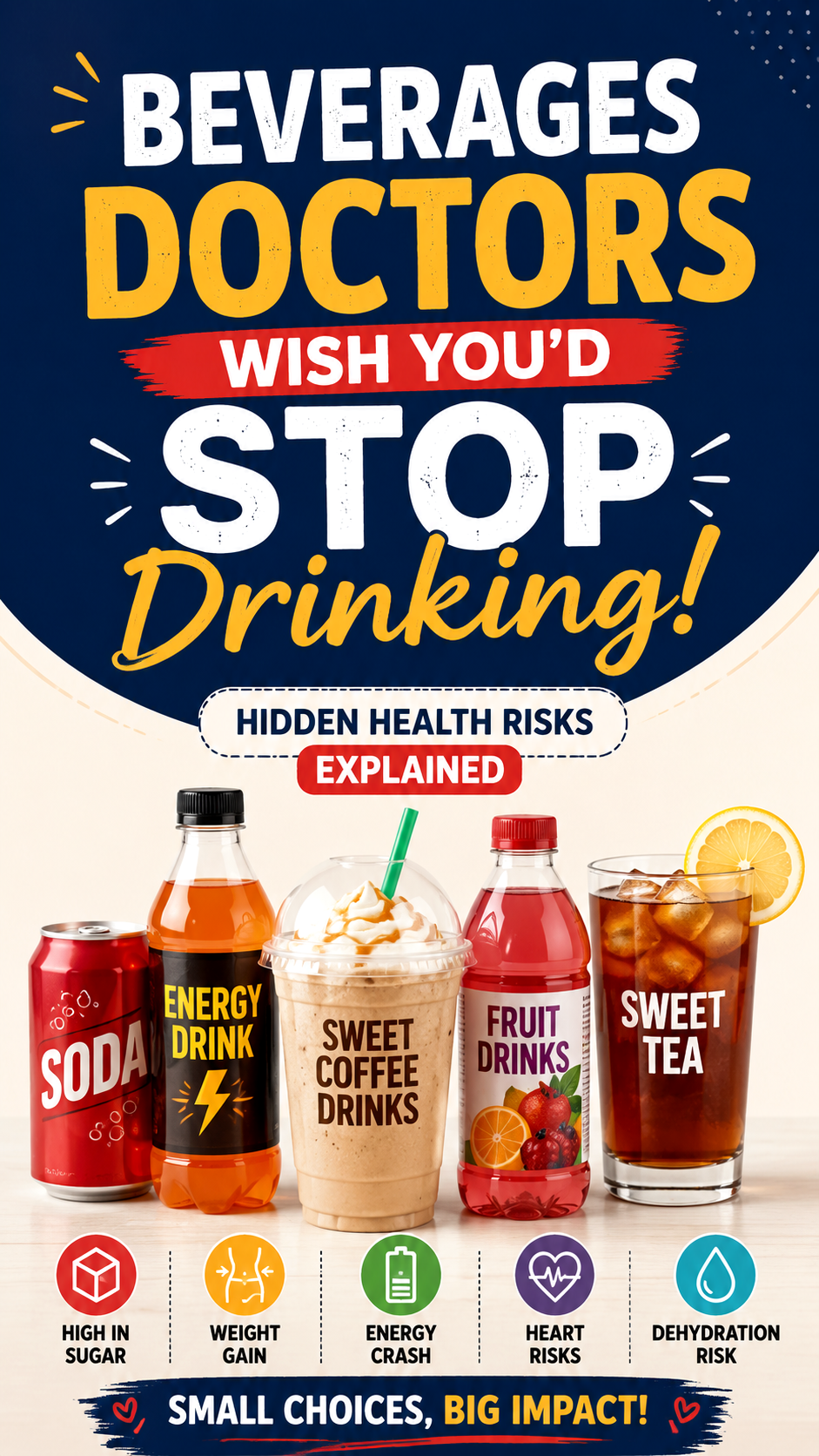
Many people pay close attention to what they eat, yet often overlook what they drink. Beverages are a daily part of life, and some choices can quietly add excess sugar, artificial ingredients, sodium, caffeine, or empty calories to an otherwise balanced routine. While no single drink determines your health, regularly consuming certain beverages may contribute to unwanted health concerns over time. Understanding what is in your glass is one of the simplest ways to make more informed decisions and support long-term wellness.
From sugary soft drinks to heavily sweetened coffee creations, some popular beverages may seem harmless because they are widely available and heavily marketed. However, health professionals frequently encourage people to take a closer look at their drinking habits. Small changes can have a meaningful impact on energy levels, weight management, hydration, and overall well-being.
Key Takeaways
- Many popular drinks contain surprising amounts of added sugar.
- Liquid calories can add up quickly without creating a feeling of fullness.
- Hydration is important, but not all beverages hydrate equally.
- Reading nutrition labels can reveal hidden ingredients.
- Healthier alternatives are often simple and affordable.
- Small daily beverage changes can support long-term wellness goals.
Why Beverage Choices Matter More Than You Think
People typically consume drinks multiple times throughout the day. Coffee in the morning, a soda at lunch, an energy drink during the afternoon slump, and a sweet beverage with dinner can quickly become a routine. While each individual choice may seem insignificant, the cumulative effect over weeks, months, and years can be substantial.
Unlike many solid foods, beverages are often consumed quickly. This means people may take in large amounts of sugar or calories without noticing. Because liquids generally do not create the same sense of fullness as food, it becomes easier to consume more than intended.
Important: Many individuals focus heavily on meal planning while overlooking beverage intake. In some cases, drinks can contribute a surprisingly large percentage of daily sugar and calorie consumption.
Sugary Soft Drinks and Their Hidden Impact
Soft drinks remain among the most discussed beverages when it comes to health concerns. They are widely available, inexpensive, and often consumed in large portions. The primary issue is typically the amount of added sugar they contain.
Regular consumption of sugar-sweetened beverages may make it more difficult to maintain healthy dietary habits. Because these drinks provide calories without significant nutritional value, they can contribute to excess energy intake while offering little in the way of vitamins, minerals, fiber, or protein.
Another concern is how easy it is to consume multiple servings in a single sitting. Large cups, refill options, and oversized bottles can make portion awareness challenging.
Common Reasons People Overconsume Soda
- Large serving sizes
- Frequent availability
- Strong marketing and advertising
- Sweet taste that encourages repeat consumption
- Habitual pairing with meals and snacks
Energy Drinks and Stimulant Overload
Energy drinks are often marketed as performance enhancers, productivity boosters, or quick solutions for fatigue. While they may provide temporary alertness, they frequently contain high amounts of caffeine, added sugars, or other stimulants.
For some people, excessive consumption may contribute to jitteriness, sleep disruption, nervousness, or an increased sense of restlessness. Sleep quality is particularly important because poor sleep can influence many aspects of overall health.
One challenge with energy drinks is that consumers may underestimate their potency. Drinking multiple servings throughout the day can lead to much higher stimulant intake than intended.
Why This Matters
- Many energy drinks contain multiple stimulant sources.
- Late-day consumption can interfere with sleep quality.
- Sleep disruption may affect energy, focus, and recovery.
Sweetened Coffee Beverages Can Be Deceptive
Coffee itself can fit into many healthy lifestyles when consumed in moderation. The challenge often comes from highly sweetened specialty beverages loaded with flavored syrups, whipped toppings, sweet creams, and added sugars.
What starts as a simple coffee can quickly resemble a dessert in nutritional content. These drinks are often enjoyed as treats, but frequent consumption can significantly increase daily sugar intake.
Many people assume coffee-based beverages are automatically healthier than soda. While that may be true in some cases, ingredient choices make a tremendous difference.
Pro Tip: Requesting less syrup, choosing unsweetened options, or reducing added toppings can dramatically improve the nutritional profile of many coffee drinks without sacrificing enjoyment.
Fruit Drinks Versus Real Fruit
Many beverages featuring fruit imagery appear healthy at first glance. However, fruit drinks, fruit cocktails, and fruit-flavored beverages may contain far less real fruit than consumers expect.
Some products contain significant amounts of added sugar while providing only a small percentage of actual fruit juice. This can create a health halo effect where consumers assume they are making a highly nutritious choice.
Whole fruits generally offer fiber and other beneficial nutrients that beverages often lack. Fiber can support fullness and may help slow the absorption of natural sugars.
What to Look For on Labels
- Percentage of real juice
- Added sugar content
- Serving size information
- Ingredient order
- Total calorie count
Flavored Waters Are Not Always Equal
Flavored waters have become increasingly popular among people seeking alternatives to soda. Some options can be excellent choices, while others contain sweeteners, sugars, or additives that deserve attention.
The label tells the real story. Some flavored waters contain minimal ingredients and very few calories, while others resemble soft drinks in everything but name.
Consumers should avoid assuming that terms like “natural,” “light,” or “refreshing” automatically indicate superior nutritional quality.
Sports Drinks and Everyday Consumption
Sports drinks were designed with specific athletic situations in mind. For individuals engaging in prolonged, intense physical activity, they may help replenish fluids and electrolytes.
However, many people consume sports drinks during routine daily activities that do not create the same level of physical demand. In such cases, the additional sugars and calories may not provide meaningful benefits.
For average hydration needs, water is often sufficient. Sports drinks may be most useful when activity duration and intensity justify their intended purpose.
Important: Marketing can make specialized beverages seem necessary for everyone. Understanding the original purpose of a drink helps determine whether it aligns with your personal needs.
Sweet Tea and Hidden Sugar Consumption
Tea itself can be a nutritious beverage. Yet many bottled teas and restaurant sweet teas contain significant amounts of added sugar.
Because tea is often perceived as a healthy drink, consumers may not pay close attention to nutrition labels. This can result in higher sugar intake than expected.
Unsweetened tea or lightly sweetened versions often provide a better balance between flavor and nutritional awareness.
The Challenge of Liquid Calories
One of the most important concepts in nutrition is understanding liquid calories. Unlike many foods, beverages can be consumed rapidly without triggering strong feelings of fullness.
As a result, individuals may consume hundreds of extra calories per day through drinks alone. Over time, this can influence overall dietary patterns and health goals.
Tracking beverage intake for even a few days often reveals habits that people were not fully aware of. This awareness can be the first step toward positive change.
Signs You May Be Drinking More Calories Than You Realize
- You regularly consume sweet drinks between meals.
- You rarely check beverage nutrition labels.
- You often choose large drink sizes.
- You drink calories while working, driving, or watching television.
- You feel surprised when reviewing weekly beverage consumption.
Healthier Beverage Alternatives
The good news is that improving beverage choices does not require extreme restrictions. In many cases, simple substitutions can make a meaningful difference.
Rather than focusing solely on elimination, many health experts encourage adding more beneficial options into daily routines.
Smart Alternatives to Consider
- Plain water
- Sparkling water without added sugars
- Unsweetened tea
- Black coffee or lightly sweetened coffee
- Infused water with fruit slices
- Moderate portions of 100% fruit juice
These alternatives often help reduce unnecessary sugar consumption while still providing variety and enjoyment.
How to Gradually Improve Your Beverage Habits
Lasting changes are often easier when implemented gradually. Attempting to completely transform beverage habits overnight may feel overwhelming.
Instead, consider making one adjustment at a time. Replace one sugary drink per day with water. Reduce sweetener amounts slowly. Experiment with flavored sparkling water or herbal teas.
Small improvements repeated consistently tend to produce better long-term results than drastic short-term changes.
Practical Steps for Success
- Carry a reusable water bottle.
- Read beverage labels carefully.
- Monitor serving sizes.
- Keep healthier options available.
- Reduce sugar gradually rather than abruptly.
- Track beverage choices for one week.
Building a Sustainable Approach to Wellness
Healthy living is rarely about perfection. Most people enjoy occasional treats, and beverages are no exception. The goal is not to create fear around specific drinks but to encourage awareness and balance.
Understanding how different beverages fit into your overall lifestyle can help you make choices that support your personal goals. Whether the objective is better hydration, improved energy, reduced sugar intake, or enhanced overall wellness, beverage awareness is a practical place to start.
Making thoughtful choices consistently often matters more than following strict rules. Over time, these decisions can contribute to healthier habits and greater confidence in everyday nutrition choices.
At a Glance
- Watch for hidden sugars in everyday beverages.
- Liquid calories can accumulate quickly.
- Read labels instead of relying on marketing claims.
- Choose water and unsweetened drinks more often.
- Small habit changes can deliver meaningful results.
Conclusion
Beverages play a larger role in health than many people realize. While occasional indulgences can be part of a balanced lifestyle, regularly consuming highly sweetened or heavily processed drinks may work against long-term wellness goals. By paying attention to ingredients, serving sizes, and overall consumption patterns, it becomes easier to make informed decisions that support better health.
The most effective approach is often the simplest. Drink more water, evaluate labels carefully, and treat sugary beverages as occasional choices rather than daily staples. Small adjustments today can create healthier habits that benefit you for years to come.
Tags
Healthy Drinks Nutrition Tips Sugar Reduction Healthy Lifestyle Hydration Wellness Healthy Habits Beverage Choices