
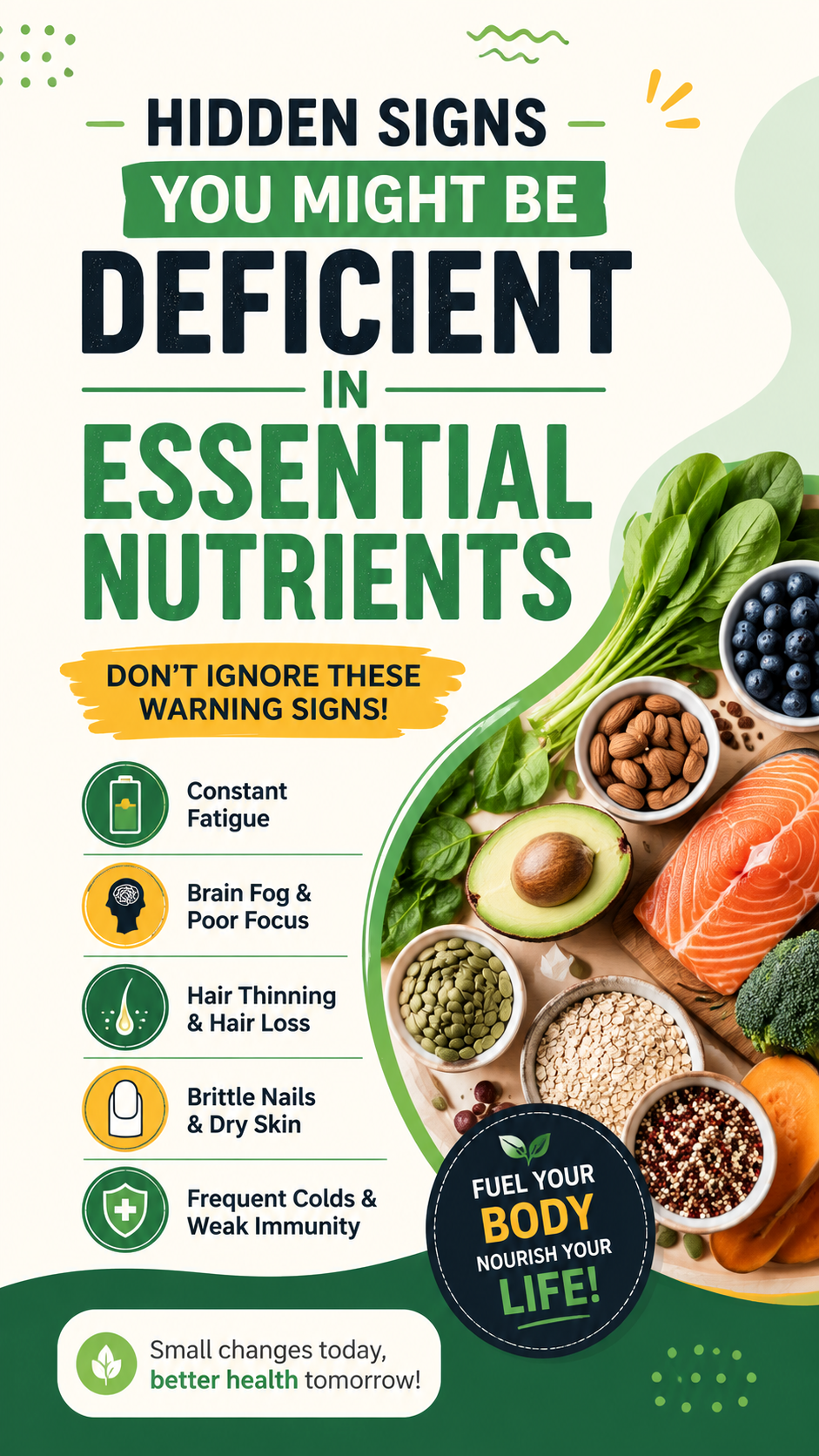
Many people assume that nutrient deficiencies only affect those with poor diets, but the reality is far more complex. Even individuals who try to eat well can develop deficiencies in essential vitamins and minerals. The body often sends subtle warning signs long before a serious health issue develops. Fatigue, brittle nails, dry skin, frequent headaches, muscle cramps, and difficulty concentrating may all be clues that your body is not getting the nutrients it needs.
Understanding these hidden signs can help you make informed decisions about your diet and overall wellness. Recognizing deficiencies early gives you the opportunity to improve nutrient intake, support long-term health, and restore energy levels before symptoms become more severe.
Key Takeaways
- Many nutrient deficiencies cause subtle symptoms that are easy to overlook.
- Fatigue, brain fog, and weak immunity can be linked to inadequate nutrition.
- Skin, hair, and nail changes often reflect nutrient status.
- Balanced meals help support healthy vitamin and mineral intake.
- Early awareness can prevent more serious health concerns.
- Small dietary improvements can make a noticeable difference over time.
Why Nutrients Matter More Than Most People Realize
Every cell in your body relies on nutrients to function properly. Vitamins and minerals support everything from energy production and immune function to muscle movement and brain performance. When one or more nutrients are lacking, the body may struggle to perform these processes efficiently.
Because symptoms often develop gradually, many people dismiss them as stress, aging, lack of sleep, or a busy lifestyle. However, recurring signs can indicate that your body is asking for nutritional support.
Important: Nutrient deficiencies rarely appear overnight. Small deficiencies can build over months or years, making early recognition one of the most valuable tools for protecting long-term health.
Persistent Fatigue and Low Energy
Feeling tired after a long day is normal. Feeling exhausted despite adequate rest is not. Persistent fatigue is one of the most common warning signs associated with nutrient deficiencies.
Iron, vitamin B12, vitamin D, and folate all play essential roles in energy production. When levels are insufficient, the body may struggle to transport oxygen efficiently or produce energy at the cellular level.
- Difficulty getting through the day
- Reduced physical endurance
- Frequent afternoon energy crashes
- Feeling tired even after sleeping
If fatigue continues despite healthy sleep habits, nutrition may deserve closer attention.
Brain Fog and Difficulty Concentrating
Many people experience periods of forgetfulness or difficulty focusing. When these issues become frequent, nutrient intake may be a contributing factor.
The brain requires a steady supply of nutrients to support memory, attention, and cognitive performance. Deficiencies in B vitamins, omega-3 fatty acids, iron, and other essential nutrients can affect mental clarity.
Common signs include:
- Difficulty concentrating on tasks
- Forgetfulness
- Reduced productivity
- Mental fatigue
- Slower thinking
Supporting brain health through nutrient-rich foods may help improve focus and cognitive function.
Expert Insight
Many people focus solely on calories while overlooking nutrient density. Foods rich in vitamins, minerals, protein, and healthy fats often provide greater support for energy, focus, and overall well-being.
Hair Changes That Should Not Be Ignored
Your hair can provide valuable clues about your nutritional status. While hair loss can occur for many reasons, nutrient deficiencies are among the potential contributing factors.
Hair follicles require adequate protein, iron, zinc, biotin, and other nutrients for healthy growth. When these nutrients are lacking, the hair growth cycle may be disrupted.
Common Hair-Related Warning Signs
- Increased hair shedding
- Hair that feels thinner than usual
- Dry or brittle strands
- Slow hair growth
- Reduced shine and strength
While occasional shedding is normal, persistent changes may indicate a deeper nutritional issue worth investigating.
Skin Problems and Nutrient Deficiencies
The skin is the body’s largest organ and often reflects internal health. Nutritional imbalances can sometimes appear as visible changes in skin quality and appearance.
Dryness, irritation, slow healing, and unusual skin changes may occur when certain vitamins and minerals are lacking.
Potential Signs to Watch For
- Persistent dryness
- Cracked skin
- Slow wound healing
- Unexplained irritation
- Dull complexion
A balanced diet rich in colorful fruits, vegetables, healthy fats, and protein can help support skin health from within.
Pro Tip: Rather than focusing on a single vitamin supplement, prioritize a varied diet that delivers a broad range of nutrients. Whole foods often provide nutrients that work together in ways isolated supplements cannot fully replicate.
Brittle Nails and Slow Nail Growth
Nails grow slowly, which means changes in nail health can reflect long-term nutritional patterns. Weak, brittle, or easily splitting nails may indicate that the body needs additional nutritional support.
Protein, iron, zinc, and several vitamins contribute to nail strength and growth. When intake falls short, nail quality may decline over time.
Although nail changes do not automatically mean a deficiency is present, they are worth noting when accompanied by other symptoms.
Frequent Illness and Reduced Immune Function
Getting sick occasionally is part of life. Constant colds, recurring infections, or prolonged recovery periods may suggest that the immune system needs additional support.
Nutrients such as vitamin C, vitamin D, zinc, selenium, and protein contribute to normal immune function. Inadequate intake may reduce the body’s ability to respond effectively to challenges.
Supporting immunity is not about finding a single miracle nutrient. It involves maintaining a consistently nutrient-rich diet and healthy lifestyle.
Muscle Cramps and Unexplained Weakness
Muscle cramps can result from exercise, dehydration, or physical strain. However, recurring cramps may sometimes indicate an imbalance involving nutrients such as magnesium, potassium, calcium, or vitamin D.
Muscles rely on these nutrients to contract and relax properly. When levels are inadequate, discomfort and weakness may become more noticeable.
Possible Symptoms
- Nighttime leg cramps
- Muscle twitching
- Reduced strength
- Exercise intolerance
- Persistent muscle discomfort
Hydration and proper nutrition often work together to support healthy muscle function.
Unusual Food Cravings
Food cravings can occur for many reasons, including habits, emotions, and hunger. In some cases, persistent cravings may be associated with nutritional imbalances.
While cravings are not a reliable diagnostic tool, unusual or intense cravings may indicate that the body is seeking something it needs.
Paying attention to recurring patterns can provide helpful clues about overall dietary quality.
Mood Changes and Irritability
Nutrition influences more than physical health. The brain depends on vitamins, minerals, healthy fats, and amino acids to support emotional well-being.
When nutrient intake is inadequate, some individuals may experience:
- Increased irritability
- Low motivation
- Mood fluctuations
- Difficulty managing stress
- Reduced mental resilience
Although mood changes can have many causes, nutrition remains an important factor that should not be overlooked.
Important: Symptoms rarely occur in isolation. When fatigue, concentration issues, hair changes, and weakened immunity appear together, it may be worthwhile to review dietary habits and seek professional guidance if necessary.
Who Is Most at Risk for Nutrient Deficiencies?
Anyone can experience nutrient deficiencies, but some groups face higher risks due to lifestyle, dietary preferences, or increased nutritional demands.
- People following restrictive diets
- Older adults
- Pregnant individuals
- People with digestive concerns
- Individuals with limited food variety
- Highly active athletes
Awareness of these risk factors can help people take proactive steps toward better nutrition.
Foods That Support Better Nutrient Intake
The most effective strategy for preventing deficiencies is building meals around nutrient-dense foods. Rather than focusing on individual nutrients, aim for dietary variety.
Nutrient-Rich Food Categories
- Leafy green vegetables
- Colorful fruits
- Beans and legumes
- Nuts and seeds
- Whole grains
- Lean protein sources
- Dairy or fortified alternatives
- Healthy fats
Consistently including these foods can help improve overall nutrient intake while supporting energy, immunity, and long-term health.
Simple Habits That Make a Difference
Improving nutrition does not require a complete lifestyle overhaul. Small changes often create meaningful results when practiced consistently.
Practical Strategies
- Add vegetables to every meal.
- Choose whole foods more often.
- Include a source of protein at meals.
- Stay hydrated throughout the day.
- Limit highly processed foods.
- Eat a wider variety of foods each week.
- Plan balanced meals ahead of time.
These simple habits can help create a stronger nutritional foundation without feeling overwhelming.
At a Glance
- Fatigue is one of the most common hidden deficiency signs.
- Hair, skin, and nail changes can provide valuable clues.
- Brain fog may be linked to inadequate nutrient intake.
- Balanced eating patterns support overall wellness.
- Early awareness helps prevent long-term problems.
Conclusion
Hidden nutrient deficiencies can affect energy levels, mental clarity, physical performance, immune function, and overall quality of life. Because symptoms often develop gradually, they are easy to dismiss or attribute to everyday stress. Paying attention to subtle signs such as fatigue, brittle nails, hair changes, muscle cramps, frequent illness, and difficulty concentrating can provide valuable insight into your body’s needs.
The good news is that many deficiencies can be addressed through improved dietary habits, greater food variety, and a focus on nutrient-dense choices. By recognizing early warning signs and taking a proactive approach to nutrition, you can support better health, increased vitality, and long-term wellness.
Tags
Nutrient Deficiency Healthy Nutrition Vitamin Deficiency Mineral Deficiency Wellness Tips Healthy Lifestyle Energy Health Balanced Diet