
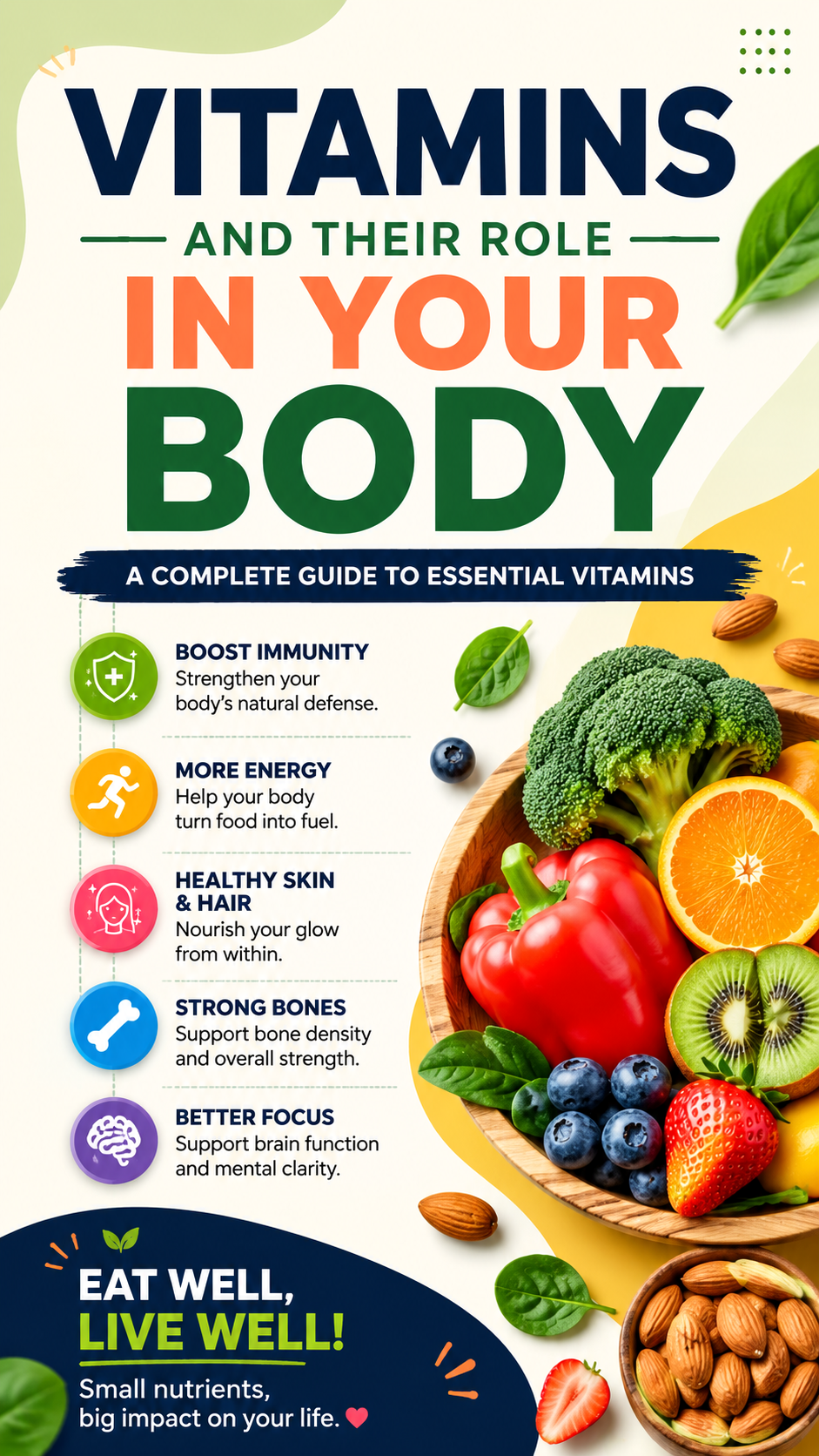
Vitamins are essential nutrients that help the body perform countless functions every day. From supporting the immune system and maintaining healthy skin to helping convert food into energy, vitamins play a vital role in overall health and wellness. While they are needed in relatively small amounts, their impact on physical and mental well-being is enormous. Understanding how vitamins work can help you make better dietary choices and support long-term health goals.
Whether you are interested in improving your nutrition, boosting energy levels, or simply learning more about how your body works, gaining a deeper understanding of essential vitamins is a valuable step toward a healthier lifestyle.
Key Takeaways
- Vitamins are essential for growth, repair, and overall body function.
- Different vitamins support specific systems such as immunity, vision, and bone health.
- A balanced diet is the best source of most vitamins.
- Vitamin deficiencies can affect energy, mood, and physical health.
- Understanding vitamin roles helps create healthier eating habits.
- Both water-soluble and fat-soluble vitamins are important for wellness.
What Are Vitamins and Why Are They Important?
Vitamins are organic compounds that the body requires to function properly. Unlike carbohydrates, proteins, and fats, vitamins do not provide energy directly. Instead, they help regulate processes that allow the body to grow, heal, produce energy, and maintain health.
Each vitamin has a unique role. Some assist with cell growth, while others help strengthen bones, support vision, or protect the body from damage caused by free radicals. Because the body cannot produce enough of most vitamins on its own, they must be obtained through food or supplements.
Important: Even mild vitamin deficiencies can impact daily performance, energy levels, concentration, and overall wellness. Consistent intake of nutrient-rich foods helps maintain optimal health and supports the body’s natural functions.
The Two Main Types of Vitamins
Vitamins are generally divided into two categories based on how they are absorbed and stored in the body.
Water-Soluble Vitamins
Water-soluble vitamins dissolve in water and are not stored in significant amounts. Excess amounts are usually excreted through urine, making regular intake important.
- Vitamin C
- Vitamin B1 (Thiamine)
- Vitamin B2 (Riboflavin)
- Vitamin B3 (Niacin)
- Vitamin B5 (Pantothenic Acid)
- Vitamin B6
- Vitamin B7 (Biotin)
- Vitamin B9 (Folate)
- Vitamin B12
Fat-Soluble Vitamins
Fat-soluble vitamins are absorbed alongside dietary fats and stored in the body’s fatty tissues and liver.
- Vitamin A
- Vitamin D
- Vitamin E
- Vitamin K
Because these vitamins can be stored, excessive supplementation may lead to unwanted accumulation over time.
Vitamin A: Supporting Vision and Immunity
Vitamin A is widely recognized for its role in maintaining healthy vision. It helps the eyes adapt to low-light conditions and supports overall eye health.
Beyond vision, Vitamin A contributes to immune function, skin health, and cell growth.
Common Food Sources
- Carrots
- Sweet potatoes
- Spinach
- Kale
- Egg yolks
- Liver
Vitamin B Complex: The Energy Helpers
The B vitamins work together to help the body convert food into usable energy. They also support nervous system function, brain health, and red blood cell production.
Each B vitamin performs specific tasks, but collectively they are essential for maintaining vitality and metabolic efficiency.
Pro Tip: Individuals with highly active lifestyles often pay close attention to B vitamin intake because these nutrients are closely linked to energy metabolism and healthy nervous system function.
Foods Rich in B Vitamins
- Whole grains
- Eggs
- Fish
- Poultry
- Legumes
- Leafy green vegetables
- Dairy products
Vitamin C: A Powerful Antioxidant
Vitamin C is one of the most popular vitamins due to its role in immune support and antioxidant protection. It helps protect cells from oxidative stress and contributes to collagen production.
Collagen is important for maintaining healthy skin, blood vessels, tendons, and ligaments.
Excellent Sources of Vitamin C
- Oranges
- Strawberries
- Kiwi
- Bell peppers
- Broccoli
- Brussels sprouts
Why This Matters
- Vitamin C supports collagen formation for healthy skin and tissues.
- Antioxidants help protect cells from everyday environmental stress.
- Consistent intake through fruits and vegetables supports overall wellness.
Vitamin D: The Sunshine Vitamin
Vitamin D helps the body absorb calcium, making it crucial for bone strength and skeletal health. It also supports muscle function and contributes to immune system performance.
The body can produce Vitamin D when skin is exposed to sunlight. However, dietary sources remain important, particularly in regions with limited sun exposure.
Sources of Vitamin D
- Fatty fish
- Fortified milk
- Egg yolks
- Fortified cereals
- Sunlight exposure
Vitamin E: Protecting Cells
Vitamin E acts as an antioxidant that helps protect cells from damage. It supports skin health and contributes to maintaining a healthy immune system.
Many nutrient-dense foods naturally contain Vitamin E, making it relatively easy to include in a balanced diet.
Good Sources of Vitamin E
- Almonds
- Sunflower seeds
- Hazelnuts
- Spinach
- Avocados
Vitamin K and Bone Health
Vitamin K is best known for its role in blood clotting, but it also supports bone metabolism. Healthy levels of Vitamin K contribute to maintaining strong bones and overall skeletal integrity.
Vitamin K Sources
- Kale
- Spinach
- Broccoli
- Brussels sprouts
- Cabbage
Important: Vitamins often work together rather than independently. A varied diet containing fruits, vegetables, lean proteins, healthy fats, and whole grains provides a broad spectrum of nutrients that support overall health.
Signs of Possible Vitamin Deficiencies
Vitamin deficiencies can develop gradually and may affect different people in different ways. While symptoms vary, some common warning signs include:
- Persistent fatigue
- Weakness
- Poor concentration
- Dry skin
- Frequent illness
- Changes in hair or nail health
- Muscle discomfort
Recognizing these signs early can encourage healthier eating habits and appropriate professional guidance when needed.
How to Get More Vitamins Naturally
Obtaining vitamins through whole foods remains one of the best approaches to nutrition. Whole foods provide vitamins alongside fiber, minerals, antioxidants, and other beneficial compounds.
Simple Strategies
- Eat a variety of colorful fruits and vegetables.
- Include lean proteins in daily meals.
- Choose whole grains over refined grains.
- Add healthy fats such as nuts, seeds, and avocados.
- Limit highly processed foods when possible.
- Stay hydrated and maintain balanced eating habits.
Do You Need Vitamin Supplements?
Supplements can be useful in certain situations, particularly when dietary intake is limited or specific nutritional needs exist. However, supplements should complement a healthy diet rather than replace it.
Individual requirements vary depending on age, lifestyle, activity level, and overall health status. A personalized approach is often the most effective way to address nutritional needs.
Expert Insight: Building a nutrient-rich diet first provides a strong foundation for long-term health. Supplements may help fill gaps, but balanced eating habits remain the cornerstone of effective nutrition.
Creating a Vitamin-Friendly Lifestyle
Healthy nutrition extends beyond individual nutrients. Consistent habits such as meal planning, choosing whole foods, staying active, and getting adequate sleep all contribute to better health outcomes.
Focusing on long-term patterns rather than quick fixes helps create sustainable wellness habits. Small improvements made consistently often lead to meaningful results over time.
At a Glance
- Vitamins support energy, immunity, growth, and repair.
- Both water-soluble and fat-soluble vitamins are essential.
- Whole foods remain the best source of nutrients.
- Balanced nutrition reduces the risk of deficiencies.
- Healthy habits enhance vitamin utilization and overall wellness.
Conclusion
Vitamins are fundamental building blocks of good health. They support everything from vision and bone strength to energy production and immune defense. Although required in small amounts, their influence on the body’s daily functions is significant.
Understanding the role of essential vitamins empowers you to make informed nutrition choices and prioritize foods that nourish your body. By embracing a balanced, nutrient-rich diet and maintaining healthy lifestyle habits, you can support your wellness goals and promote long-term vitality.
Tags
Vitamins Nutrition Healthy Living Wellness Vitamin Benefits Balanced Diet Immune Health Healthy Nutrition