
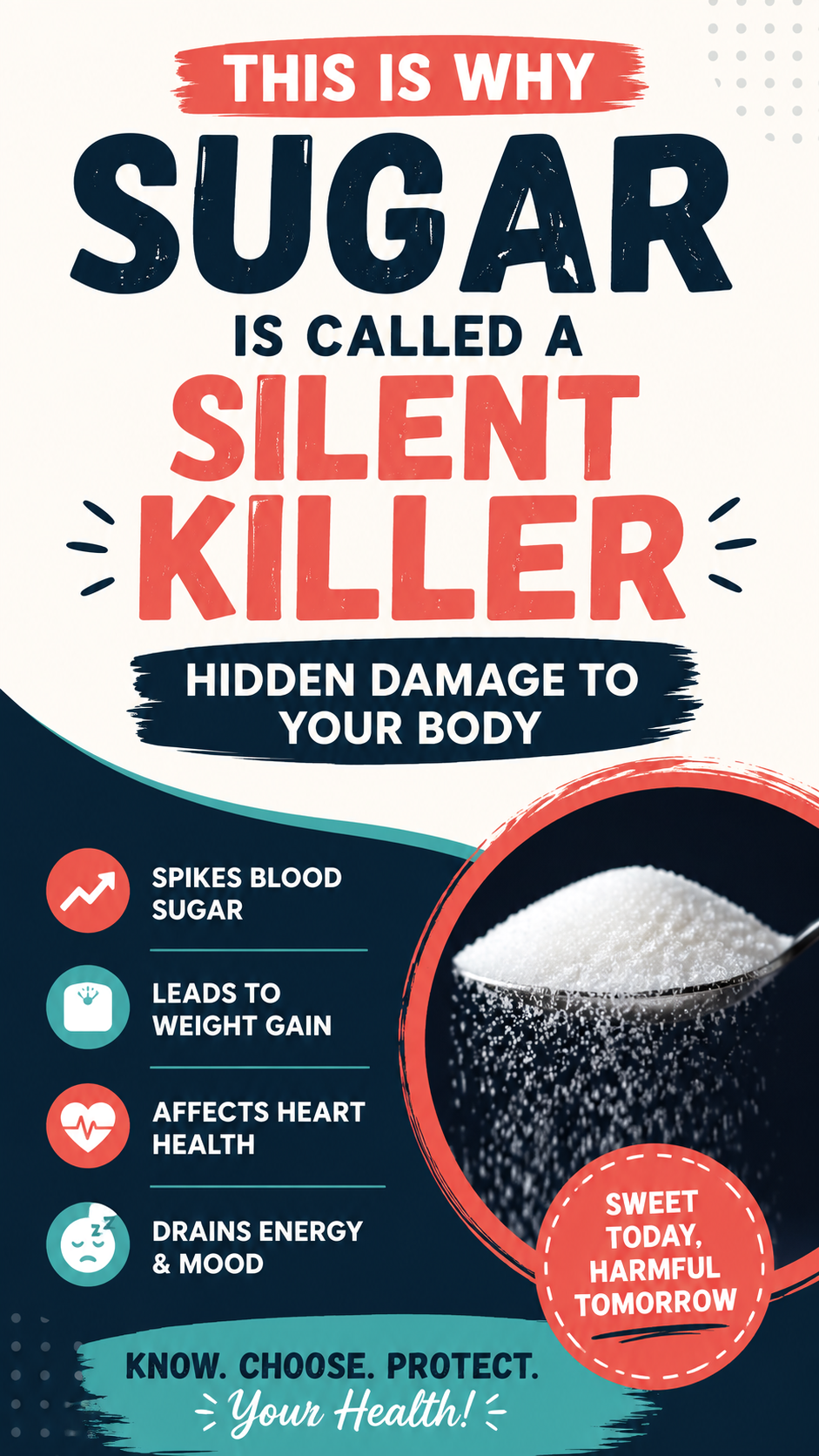
Sugar is a familiar part of daily life. It sweetens coffee, enhances desserts, and appears in countless packaged foods. Yet despite its pleasant taste and widespread use, sugar has earned a troubling nickname: the silent killer. Unlike obvious health threats that produce immediate symptoms, excessive sugar consumption can quietly affect the body over months and years, contributing to a wide range of health challenges before many people realize what is happening.
Understanding how sugar impacts the body is one of the most important steps toward making healthier lifestyle choices. While enjoying occasional treats is not necessarily harmful, consistently consuming high amounts of added sugar may influence everything from energy levels and weight management to heart health and metabolic function.
Key Takeaways
- Excess sugar intake can affect multiple systems throughout the body.
- Many processed foods contain hidden added sugars.
- Blood sugar spikes may contribute to energy crashes and cravings.
- Long-term overconsumption is associated with several chronic health concerns.
- Small dietary changes can significantly reduce daily sugar intake.
- Reading food labels helps identify unexpected sources of sugar.
Why Sugar Is Often Called a Silent Killer
The term “silent killer” refers to something that causes damage gradually without creating obvious warning signs in the early stages. Sugar fits this description because its effects often accumulate slowly. Many people feel perfectly healthy while regularly consuming large amounts of sugary drinks, snacks, and processed foods.
Over time, however, the body may struggle to manage repeated blood sugar spikes. This can place stress on various systems and potentially contribute to conditions that develop over many years.
Important: The greatest risk from excessive sugar consumption is not usually a single dessert or sweet beverage. It is the cumulative effect of repeated exposure over months and years that may gradually influence overall health.
Because sugar-related health issues often develop slowly, many people underestimate the role their daily dietary habits play in long-term wellness.
How Sugar Affects Blood Sugar Levels
When sugar enters the bloodstream, the body responds by releasing insulin. This hormone helps move glucose into cells where it can be used for energy. While this process is natural and necessary, frequent consumption of large amounts of added sugar can create repeated spikes and drops in blood glucose.
Many people recognize this pattern as the classic energy roller coaster. After consuming sugary foods, energy may temporarily increase. A short time later, fatigue, hunger, and cravings often follow.
The Cycle of Cravings
One reason sugar can be difficult to reduce is that it often encourages a cycle of continued consumption. After a rapid rise and fall in blood sugar, the body may signal hunger even when adequate calories have already been consumed.
- Blood sugar rises quickly.
- Insulin is released.
- Blood sugar falls.
- Hunger and cravings increase.
- More sugary foods are consumed.
Breaking this cycle often requires replacing highly processed foods with more balanced meals that contain protein, fiber, and healthy fats.
Hidden Sources of Sugar in Everyday Foods
Many people assume sugar only comes from candy, cakes, and soft drinks. In reality, added sugars appear in numerous foods that are often marketed as healthy or convenient.
Common hidden sources include:
- Flavored yogurt
- Breakfast cereals
- Granola bars
- Bottled smoothies
- Pasta sauces
- Salad dressings
- Sports drinks
- Coffee beverages
- Packaged snacks
Food manufacturers may use different names for sugar, making labels more difficult to understand. Ingredients such as corn syrup, cane sugar, dextrose, fructose, maltose, and syrup concentrates all contribute to total sugar intake.
Why This Matters
- Hidden sugars can significantly increase daily consumption without you realizing it.
- Reading ingredient lists often reveals added sweeteners in unexpected foods.
- Reducing processed foods is one of the simplest ways to lower sugar intake.
The Connection Between Sugar and Weight Gain
One of the most discussed effects of excess sugar consumption involves weight management. Sugary foods often provide calories without delivering the same feeling of fullness as nutrient-dense alternatives.
Liquid calories deserve particular attention. Sweetened beverages can contain substantial amounts of sugar while providing little satiety. As a result, people may consume additional calories later in the day because they do not feel fully satisfied.
Over time, consistently consuming more calories than the body requires can contribute to weight gain.
Why Liquid Sugar Is Different
Soft drinks, energy drinks, sweet teas, and flavored coffee beverages often deliver large amounts of sugar very quickly. Since liquids pass through the digestive system faster than solid foods, they may not trigger the same fullness signals.
This makes sugary beverages one of the easiest sources of excess sugar to overlook.
Sugar and Heart Health
Heart health discussions frequently focus on fats and cholesterol, but sugar also plays an important role. Research has increasingly explored the relationship between high sugar consumption and cardiovascular health.
Excess sugar intake may influence factors such as blood pressure, inflammation, and metabolic health. These factors can collectively affect long-term cardiovascular wellness.
Pro Tip: Focusing on overall dietary quality rather than eliminating a single ingredient can be more effective. Prioritize whole foods, vegetables, fruits, lean proteins, and healthy fats while reducing added sugars.
Simple daily improvements often create meaningful long-term benefits.
How Sugar May Influence Energy and Mood
Many people reach for sugary foods when they need a quick boost. While sugar can provide temporary energy, the effect is often short-lived.
After blood sugar levels rise rapidly, they may fall just as quickly. This pattern can leave individuals feeling tired, irritable, or mentally sluggish.
Maintaining more stable blood sugar levels through balanced meals may support consistent energy throughout the day.
Signs You May Be Consuming Too Much Sugar
- Frequent cravings for sweets
- Afternoon energy crashes
- Difficulty feeling satisfied after meals
- Regular consumption of sugary beverages
- Dependence on sweet snacks for energy
- Persistent hunger despite eating enough calories
While these signs do not automatically indicate a serious problem, they may be useful signals to evaluate dietary habits.
The Impact of Sugar on Dental Health
One of the most widely recognized effects of sugar involves oral health. Bacteria in the mouth feed on sugars and produce acids that can weaken tooth enamel.
Repeated exposure to these acids increases the risk of cavities and other dental concerns.
The issue is not simply how much sugar is consumed but also how frequently it is consumed throughout the day. Constant snacking on sugary foods may expose teeth to repeated acid attacks.
Protecting Your Teeth
- Drink water after consuming sweet foods.
- Limit sugary beverages.
- Maintain regular brushing and flossing habits.
- Schedule routine dental checkups.
- Choose healthier snack options when possible.
Simple Strategies to Reduce Sugar Intake
Reducing sugar does not require a complete dietary overhaul. Small, consistent adjustments often produce the best results.
Start with Beverages
Replacing sugary drinks with water, sparkling water, or unsweetened beverages can significantly reduce daily sugar consumption.
Read Nutrition Labels
Checking labels helps identify products that contain surprisingly high amounts of added sugar.
Choose Whole Foods More Often
Whole foods typically contain fewer added ingredients and provide more nutrients than heavily processed alternatives.
Increase Protein and Fiber
Protein and fiber may help support satiety and reduce cravings between meals.
Important: Sustainable changes work better than extreme restrictions. Rather than trying to eliminate every source of sugar immediately, focus on gradual improvements that fit your lifestyle.
Building Healthier Long-Term Habits
Health is shaped by patterns rather than isolated choices. A single dessert is unlikely to determine your future wellness. However, repeated daily habits can influence outcomes over time.
The goal is not perfection. It is awareness. Understanding where sugar hides and how it affects the body empowers individuals to make informed decisions.
Healthy habits often include:
- Planning meals in advance
- Keeping nutritious snacks available
- Drinking more water
- Cooking at home more frequently
- Reading ingredient labels
- Prioritizing sleep and physical activity
These habits support overall wellness and may naturally reduce reliance on highly processed sugary foods.
At a Glance
- Sugar can affect multiple systems throughout the body.
- Many hidden sources contribute to daily intake.
- Blood sugar fluctuations may impact energy and cravings.
- Small changes can significantly reduce added sugar consumption.
- Long-term consistency matters more than short-term perfection.
Conclusion
Sugar’s reputation as a silent killer comes from its ability to influence health gradually and often unnoticed. While occasional treats can fit into a balanced lifestyle, consistently consuming large amounts of added sugar may affect energy levels, weight management, dental health, metabolic function, and overall wellness.
The good news is that awareness creates opportunity. By recognizing hidden sources of sugar, making smarter food choices, and focusing on sustainable habits, it becomes easier to support long-term health without feeling deprived.
Every small improvement matters. Whether it is replacing one sugary drink each day, reading nutrition labels more carefully, or choosing more whole foods, these simple actions can contribute to meaningful results over time.
Tags
Sugar Health Healthy Eating Nutrition Tips Blood Sugar Wellness Healthy Lifestyle Preventive Health Nutrition