
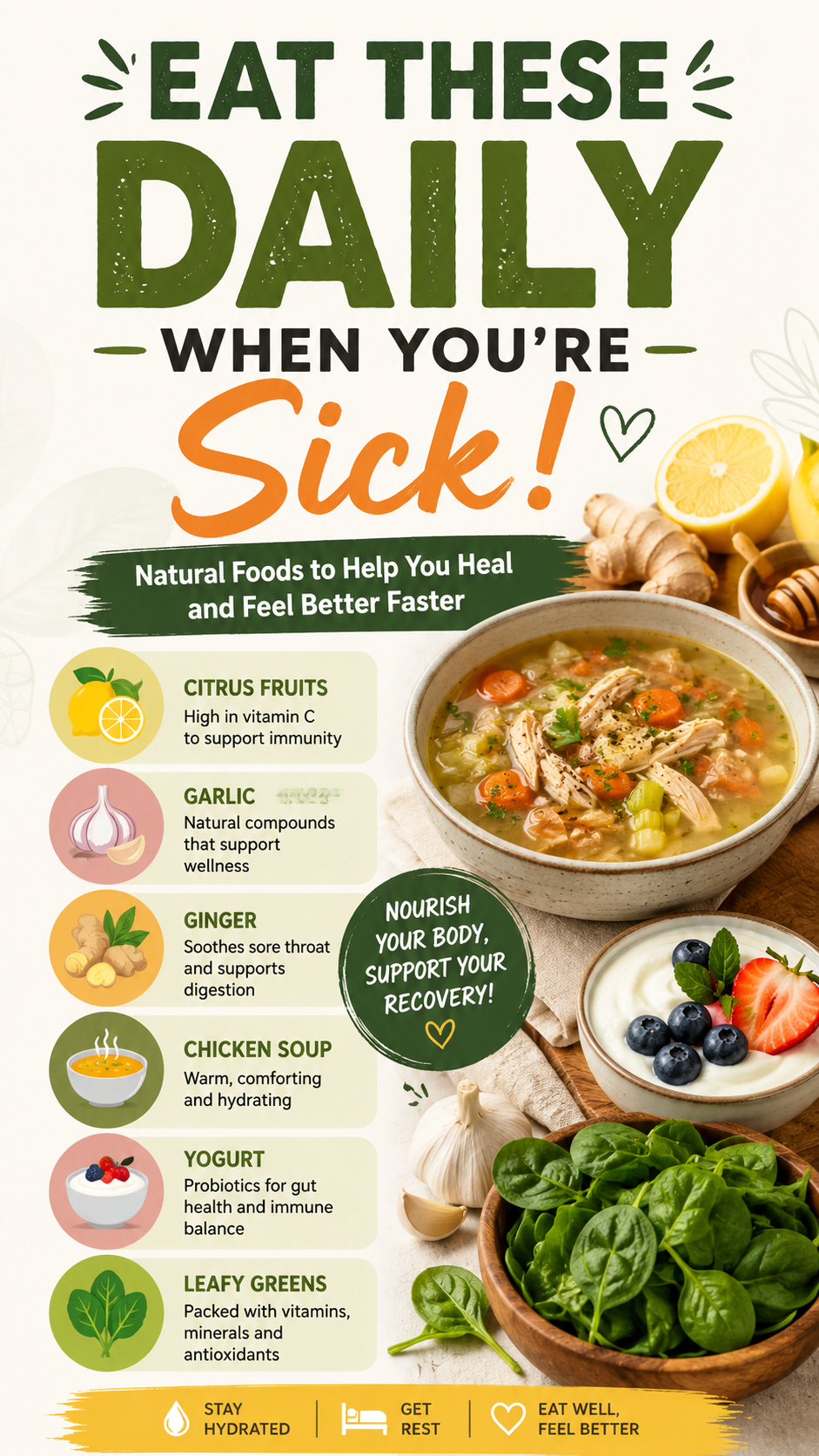
When sickness strikes, many people focus on rest, hydration, and medication, but food can also play an important role in supporting recovery. Choosing nourishing, nutrient-dense foods may help your body get the energy and essential nutrients it needs while you recover from common illnesses. Whether you are dealing with a seasonal cold, a sore throat, fatigue, or simply feeling run down, the foods you eat each day can make a meaningful difference in how you feel.
Natural foods have long been valued for their ability to provide vitamins, minerals, antioxidants, and hydration. While no single food can instantly cure an illness, creating a balanced diet filled with wholesome ingredients can support immune function and overall wellness. Understanding which foods to prioritize and how they contribute to recovery can help you make smarter choices whenever you’re under the weather.
Key Takeaways
- Hydration is one of the most important factors during illness.
- Vitamin-rich fruits and vegetables help support immune health.
- Protein provides essential building blocks for recovery.
- Warm, easy-to-digest foods can offer comfort and nourishment.
- Consistent healthy eating habits support long-term wellness.
- Natural foods work best as part of an overall healthy lifestyle.
Why Nutrition Matters When You’re Sick
Your body works hard when fighting illness. The immune system requires energy and nutrients to perform its various functions. During recovery, your body may also need additional resources to repair tissues, manage inflammation, and maintain hydration levels.
Many people lose their appetite when they feel sick. While this is common, choosing small portions of nutrient-rich foods can help ensure your body still receives valuable nourishment. Foods that are easy to digest and packed with vitamins may help you maintain strength throughout the recovery process.
Important: Even when your appetite is low, staying hydrated and consuming small amounts of nourishing foods throughout the day can help support your body’s natural recovery processes.
Citrus Fruits and Vitamin C Sources
Oranges, lemons, grapefruits, and other citrus fruits are among the most popular foods associated with immune support. These fruits contain vitamin C, an essential nutrient that contributes to normal immune system function.
Beyond vitamin C, citrus fruits also provide hydration and antioxidants. Fresh orange slices, lemon water, and grapefruit can be refreshing options when you’re feeling unwell. Their natural flavors can also make it easier to consume fluids when plain water feels unappealing.
Easy Ways to Enjoy Citrus
- Add lemon slices to warm water.
- Include orange segments in fruit bowls.
- Blend citrus fruits into smoothies.
- Combine citrus with yogurt for a light snack.
The Power of Hydrating Foods
Hydration becomes especially important during illness. Fever, sweating, and reduced fluid intake can contribute to dehydration. While drinking water is essential, certain foods can also help increase your fluid intake.
Watermelon, cucumbers, celery, oranges, and soups contain significant amounts of water. These foods can help support hydration while providing valuable nutrients at the same time.
Broth-based soups deserve special attention. They are easy to consume, soothing for sore throats, and often contain electrolytes that support hydration. Chicken soup remains a popular comfort food for good reason.
Why This Matters
- Proper hydration supports normal body functions.
- Hydrating foods can be easier to consume than large meals.
- Fluid-rich foods often provide vitamins and minerals as well.
Leafy Greens for Essential Nutrients
Leafy green vegetables such as spinach, kale, and Swiss chard provide an impressive range of nutrients. They contain vitamins A, C, and K, along with minerals and antioxidants that contribute to overall wellness.
When you’re not feeling your best, raw salads may not always be appealing. Fortunately, leafy greens can be incorporated into soups, smoothies, omelets, and cooked vegetable dishes.
Adding greens to daily meals helps increase nutrient density without requiring major changes to your routine. Even a small serving can contribute valuable vitamins and minerals.
Ginger and Its Traditional Role in Wellness
Ginger has been used in traditional wellness practices for generations. Many people enjoy ginger tea or add fresh ginger to meals when they feel under the weather.
The warm, aromatic flavor of ginger can be comforting during periods of discomfort. Ginger tea is particularly popular because it combines hydration with a soothing drinking experience.
Simple Ginger Ideas
- Steep fresh ginger slices in hot water.
- Add grated ginger to soups.
- Blend ginger into fruit smoothies.
- Use ginger in vegetable stir-fries.
Pro Tip: Combining ginger with warm water and a squeeze of lemon creates a simple, comforting beverage that many people enjoy during periods of illness.
Protein-Rich Foods for Recovery
Protein plays a critical role in maintaining and repairing tissues throughout the body. During illness, consuming adequate protein may help support recovery and maintain strength.
Some excellent protein-rich foods include:
- Eggs
- Greek yogurt
- Chicken
- Turkey
- Fish
- Beans
- Lentils
- Tofu
Eggs are particularly versatile because they are easy to prepare and generally gentle on the stomach. Greek yogurt offers protein while also providing a creamy texture that many people find comforting.
Berries and Antioxidant Support
Blueberries, strawberries, raspberries, and blackberries are loaded with antioxidants. These compounds help protect cells from oxidative stress and contribute to a balanced diet.
Berries are easy to incorporate into meals and snacks. They can be added to oatmeal, yogurt, smoothies, or eaten on their own. Their natural sweetness also makes them appealing when your appetite is reduced.
Frozen berries offer similar nutritional benefits and are available year-round, making them a convenient option for many households.
Garlic as a Flavorful Wellness Food
Garlic is a staple ingredient in kitchens around the world. Beyond its distinctive flavor, garlic contains natural compounds that have made it a popular ingredient in traditional wellness practices.
Adding garlic to soups, broths, roasted vegetables, and protein dishes can enhance both flavor and nutritional value. Since garlic pairs well with many foods, it is an easy addition to a balanced recovery-focused diet.
Best Ways to Use Garlic
- Add minced garlic to soups.
- Roast garlic with vegetables.
- Mix garlic into homemade sauces.
- Use garlic in protein-rich meals.
The Comfort of Warm Soups
Few foods are as closely associated with recovery as soup. Warm soups are easy to consume, hydrating, and highly customizable. They can include vegetables, lean proteins, herbs, and grains, making them a complete meal.
Chicken soup remains one of the most commonly recommended options because it combines hydration, protein, and comforting warmth. Vegetable soups are another excellent choice for those seeking plant-based alternatives.
When preparing soup, focus on nutrient-dense ingredients rather than excessive amounts of salt or processed additions.
Important: Warm soups can be especially helpful when chewing feels difficult or when a sore throat makes solid foods less appealing.
Bananas and Gentle Foods for Sensitive Stomachs
Some illnesses can affect digestion and appetite. During these times, simple foods may feel easier to tolerate than heavy meals.
Bananas are often recommended because they are soft, convenient, and provide carbohydrates for energy. Other gentle options include plain rice, applesauce, toast, and oatmeal.
These foods can help provide nourishment without overwhelming the digestive system.
Yogurt and Balanced Eating
Yogurt is another food frequently included in wellness-focused meal plans. It offers protein, calcium, and a creamy texture that many people enjoy.
Plain yogurt can be paired with berries, sliced fruit, or a drizzle of honey for additional flavor. Greek yogurt is especially popular because of its higher protein content.
Including yogurt as part of a balanced diet may help diversify your nutrient intake while providing a convenient snack option.
Creating a Daily Recovery-Friendly Meal Plan
Rather than focusing on a single superfood, aim to build meals around a variety of nutrient-dense ingredients. Combining fruits, vegetables, proteins, healthy fats, and hydrating foods can help create a more balanced approach.
Breakfast Ideas
- Oatmeal topped with berries
- Greek yogurt with fruit
- Smoothie with spinach and banana
Lunch Ideas
- Vegetable soup with lean protein
- Whole grain sandwich with vegetables
- Mixed greens with grilled chicken
Dinner Ideas
- Chicken soup with vegetables
- Baked fish with leafy greens
- Lentil stew with roasted vegetables
Lifestyle Habits That Complement Healthy Eating
Nutrition is only one piece of the recovery puzzle. Several lifestyle habits can work alongside healthy eating to support wellness.
- Get adequate sleep.
- Stay hydrated throughout the day.
- Avoid excessive processed foods.
- Listen to your body’s hunger signals.
- Follow medical advice when necessary.
- Prioritize rest and stress management.
Combining these habits with nutrient-rich foods creates a stronger foundation for overall health and recovery.
Common Mistakes to Avoid
Many people unintentionally make choices that may leave them feeling worse during illness. Being aware of these habits can help you stay on track.
- Skipping fluids for long periods.
- Relying entirely on sugary snacks.
- Ignoring appetite changes without consuming any nutrients.
- Choosing heavily processed convenience foods for every meal.
- Overlooking the importance of protein.
Making small adjustments can often improve comfort and help maintain nutritional balance.
At a Glance
- Prioritize hydration every day.
- Include fruits and vegetables rich in vitamins.
- Consume adequate protein for recovery support.
- Choose easy-to-digest foods when appetite is low.
- Focus on consistency rather than a single miracle food.
Conclusion
When you’re feeling sick, your food choices can help support comfort, hydration, and overall wellness. Natural foods such as citrus fruits, leafy greens, berries, yogurt, ginger, garlic, soups, and protein-rich options provide valuable nutrients that contribute to a balanced recovery-focused diet. While no food can instantly eliminate illness, nourishing your body with wholesome ingredients can help create an environment that supports healing and strength.
Building simple meals around nutrient-dense foods, drinking plenty of fluids, and prioritizing rest are practical strategies that can benefit both short-term recovery and long-term health. By making thoughtful food choices each day, you can support your body’s natural ability to recover and maintain wellness throughout the year.
Tags
Healthy Eating Immune Support Natural Foods Wellness Tips Nutrition Foods When Sick Healthy Lifestyle Recovery Foods