
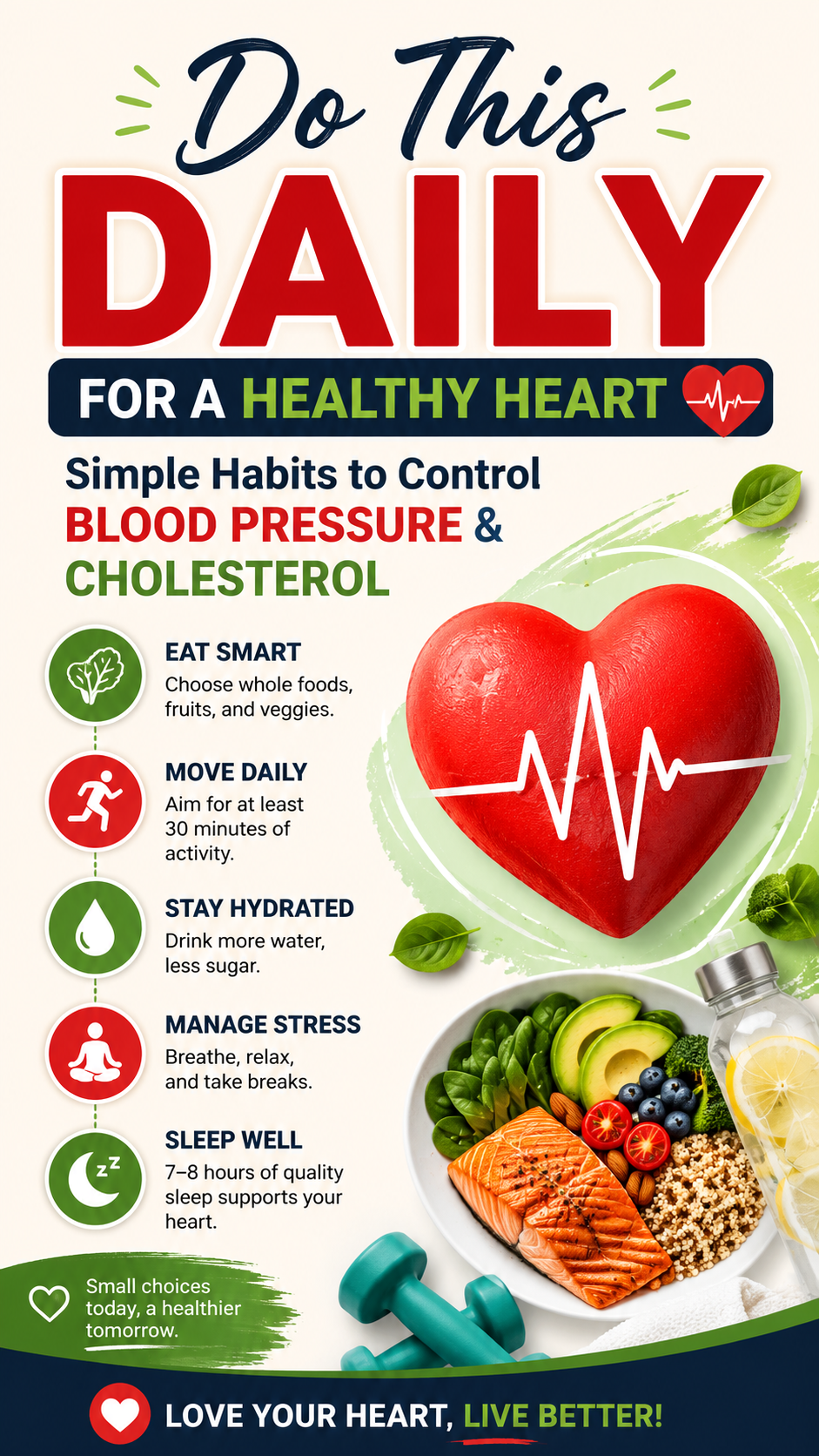
Heart health is built through the choices we make every day. While many people focus on major lifestyle changes, it is often the small, consistent habits that have the greatest impact on blood pressure, cholesterol levels, and overall cardiovascular wellness. A healthy heart supports every part of the body, delivering oxygen and nutrients where they are needed most. The good news is that improving heart health does not require extreme diets or exhausting workout plans. Simple daily actions can make a meaningful difference over time.
Whether your goal is to maintain healthy cholesterol levels, support normal blood pressure, or simply feel more energetic, creating heart-friendly routines can help you move in the right direction. Consistency matters more than perfection, and every positive choice contributes to long-term cardiovascular health.
Key Takeaways
- Daily habits play a major role in heart health.
- Regular movement supports healthy blood pressure and cholesterol.
- Balanced nutrition helps protect cardiovascular function.
- Quality sleep and stress management are often overlooked factors.
- Hydration and consistency contribute to long-term wellness.
- Small improvements can create significant results over time.
Why Heart Health Deserves Daily Attention
Your heart works around the clock, pumping blood throughout the body without taking a break. Because of this constant workload, cardiovascular health benefits greatly from daily support. Blood pressure and cholesterol levels can be influenced by lifestyle habits, including food choices, physical activity, sleep quality, stress levels, and hydration.
Healthy habits do not just benefit the heart. They can also support energy levels, mental clarity, physical performance, and overall well-being. The cumulative effect of positive choices often becomes more noticeable over months and years.
Important: Long-term heart health is rarely determined by a single meal or workout. It is the result of consistent daily behaviors repeated over time.
Start the Day with Heart-Friendly Nutrition
Breakfast provides an opportunity to begin the day with nutrients that support cardiovascular wellness. Foods rich in fiber, vitamins, minerals, and healthy fats can help create a strong foundation for the rest of the day.
Consider incorporating:
- Oats and whole grains
- Fresh fruits such as berries and apples
- Nuts and seeds
- Plain yogurt with fruit
- Protein-rich options like eggs or legumes
Fiber is particularly valuable because it can support healthy cholesterol management as part of a balanced diet. Whole foods often provide a wider range of nutrients than heavily processed alternatives.
Focus on Whole Foods
Whole foods are generally less processed and often contain more beneficial nutrients. Building meals around vegetables, fruits, lean proteins, whole grains, and healthy fats can help support cardiovascular health.
Rather than focusing on restrictive eating patterns, aim for balance. Small improvements made consistently are often easier to maintain over the long term.
Stay Active Throughout the Day
Physical activity is one of the most effective lifestyle habits for supporting heart health. Regular movement helps improve circulation, supports healthy blood pressure, and contributes to overall cardiovascular fitness.
You do not need an intense fitness routine to experience benefits. Activities such as walking, cycling, swimming, dancing, or even gardening can contribute to a more active lifestyle.
Simple Ways to Move More
- Take short walking breaks during the day.
- Use stairs when possible.
- Stretch between periods of sitting.
- Schedule active hobbies into your week.
- Walk after meals.
Consistency is often more important than intensity. A daily movement habit is easier to sustain than occasional bursts of extreme exercise.
Why This Matters
- Regular activity supports circulation and cardiovascular fitness.
- Movement can help manage stress and improve mood.
- Active lifestyles often support healthy blood pressure levels.
Reduce Excess Sodium Intake
Many processed and packaged foods contain significant amounts of sodium. While sodium is an essential nutrient, excessive intake may not support healthy blood pressure goals for some individuals.
Reading food labels and preparing meals at home more often can help you become more aware of sodium consumption. Flavoring foods with herbs, spices, citrus, and natural seasonings can provide satisfying taste without relying heavily on salt.
Making gradual adjustments often leads to better long-term success than attempting dramatic dietary changes all at once.
Choose Heart-Supportive Fats
Not all fats are the same. Healthy fats can be part of a balanced eating pattern that supports cardiovascular wellness. Foods such as avocados, nuts, seeds, olive oil, and fatty fish are commonly included in heart-conscious diets.
At the same time, limiting heavily processed foods and excessive amounts of certain unhealthy fats may help support cholesterol management goals.
Smart Fat Sources
- Avocados
- Walnuts and almonds
- Olive oil
- Chia seeds
- Flaxseeds
- Salmon and similar fish
Pro Tip: Replacing highly processed snacks with nuts, seeds, or fruit can be a simple daily habit that supports overall cardiovascular wellness.
Manage Stress for Better Heart Health
Stress is a normal part of life, but chronic stress can influence health behaviors and overall well-being. Finding healthy ways to manage daily pressures can support both mental and physical wellness.
Helpful stress-management techniques include:
- Deep breathing exercises
- Meditation
- Walking outdoors
- Journaling
- Yoga or stretching
- Spending time with loved ones
Even a few minutes of intentional relaxation each day can make a difference. The goal is not to eliminate stress completely but to develop healthy ways of responding to it.
Prioritize Quality Sleep
Sleep is one of the most overlooked aspects of heart health. During sleep, the body performs important restorative processes that support overall wellness.
Consistently poor sleep may affect energy levels, mood, and lifestyle choices. Establishing a healthy bedtime routine can support better sleep quality and overall cardiovascular health.
Healthy Sleep Habits
- Maintain a consistent sleep schedule.
- Reduce screen exposure before bed.
- Keep the bedroom cool and comfortable.
- Avoid heavy meals late at night.
- Create a relaxing nighttime routine.
Important: Sleep supports many systems throughout the body. Consistent, high-quality rest is a valuable component of a heart-healthy lifestyle.
Stay Hydrated Every Day
Hydration supports numerous bodily functions, including circulation and temperature regulation. While hydration needs vary from person to person, drinking water regularly throughout the day is a simple habit that supports overall health.
Keeping a reusable water bottle nearby can make it easier to maintain consistent hydration. Replacing sugary beverages with water can also support broader wellness goals.
The Power of Consistency
One of the biggest misconceptions about healthy living is that major transformations require extreme effort. In reality, sustainable results often come from small actions repeated consistently.
Examples include:
- Taking a daily walk.
- Adding vegetables to meals.
- Choosing water more often.
- Getting enough sleep.
- Practicing stress-management techniques.
These habits may seem simple, but together they can create a powerful foundation for long-term cardiovascular wellness.
Building a Daily Heart-Healthy Routine
Creating a sustainable routine does not require perfection. Start with one or two habits and build gradually. Small wins help create momentum and increase confidence.
Sample Daily Routine
- Begin the day with a balanced breakfast.
- Take a short walk in the morning.
- Stay hydrated throughout the day.
- Choose nutrient-rich meals and snacks.
- Take movement breaks during work.
- Practice stress reduction in the evening.
- Follow a consistent bedtime routine.
Over time, these habits can become automatic parts of daily life, making it easier to maintain a heart-conscious lifestyle.
At a Glance
- Eat more whole, nutrient-rich foods.
- Stay physically active every day.
- Manage stress through healthy routines.
- Prioritize quality sleep and hydration.
- Focus on consistency rather than perfection.
Conclusion
A healthy heart is supported by the habits you practice every day. From eating nutritious foods and staying active to managing stress and prioritizing sleep, each positive choice contributes to long-term cardiovascular wellness. The most effective approach is often the simplest: focus on small, sustainable actions that fit naturally into your lifestyle.
Remember that progress happens over time. Every healthy meal, every walk, every glass of water, and every good night’s sleep adds up. By committing to consistent daily habits, you can support healthy blood pressure, maintain balanced cholesterol levels, and build a stronger foundation for lifelong heart health.
Tags
Heart Health Blood Pressure Cholesterol Control Healthy Lifestyle Cardiovascular Health Wellness Tips Healthy Habits Preventive Health