
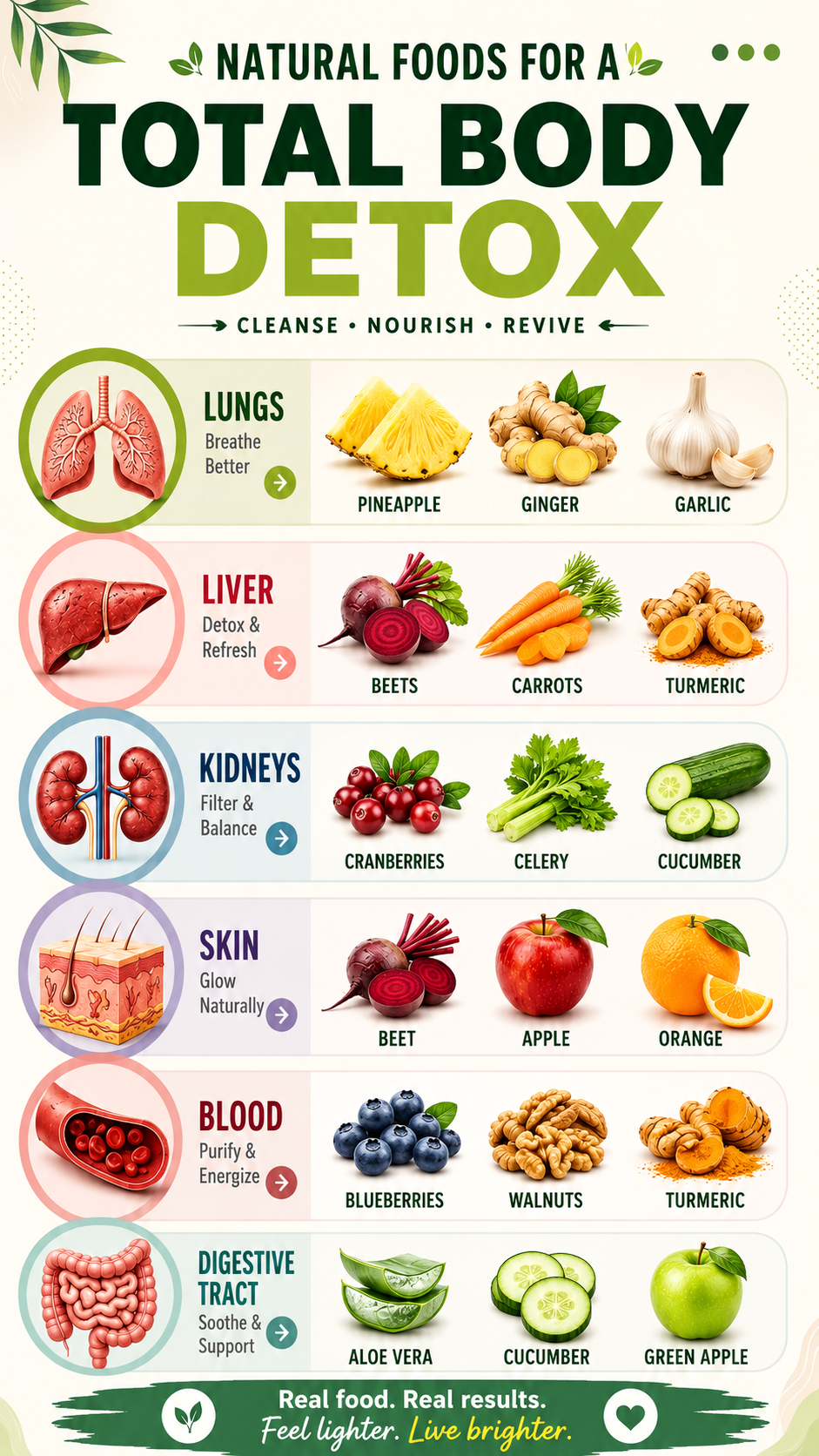
Colorful fruits, vegetables, herbs, and other whole foods have long been associated with supporting overall wellness. Many people are interested in creating a balanced eating pattern that helps their body function at its best, and that often leads to conversations about “full body cleansing.” While the body already has remarkable natural systems for filtering waste and maintaining balance, choosing nutrient-dense foods can provide valuable vitamins, minerals, antioxidants, and fiber that contribute to healthy daily function.
Instead of searching for quick fixes or extreme detox plans, focusing on nourishing ingredients is a sustainable approach that benefits your health over time. Foods like berries, leafy vegetables, garlic, ginger, citrus fruits, and colorful root vegetables offer a wide variety of nutrients that help support normal body processes while making everyday meals more enjoyable.
Key Takeaways
- Whole foods provide essential nutrients that support overall wellness.
- Hydration and a balanced diet are more effective than restrictive detoxes.
- Different fruits and vegetables offer unique vitamins and antioxidants.
- Fiber plays a major role in supporting healthy digestion.
- Healthy lifestyle habits work together with nutritious eating.
What Does a Full Body Cleanse Really Mean?
The phrase “full body cleanse” is commonly used to describe eating habits that prioritize fresh, nutrient-rich foods while reducing heavily processed products. Rather than literally removing toxins through a special food or drink, your body continuously manages waste through organs like the liver, kidneys, lungs, digestive tract, and skin.
Important: No single fruit, vegetable, herb, or supplement can detoxify your body on its own. The healthiest approach is supporting your body’s natural processes through balanced nutrition, regular hydration, quality sleep, exercise, and consistent healthy habits.
Choosing colorful produce ensures you receive a broad spectrum of nutrients that contribute to normal body functions. Every meal becomes an opportunity to nourish your body naturally.
Natural Foods That Support Everyday Wellness
The foods featured throughout this guide are commonly included in healthy eating plans because they contain vitamins, minerals, antioxidants, healthy plant compounds, and fiber.
Pineapple
Pineapple provides vitamin C, manganese, and natural enzymes such as bromelain. It is a refreshing fruit that fits well into smoothies, fruit salads, yogurt bowls, or fresh snacks.
Ginger
Fresh ginger has been appreciated in traditional cuisines for centuries. Its distinctive flavor works beautifully in teas, soups, stir-fries, marinades, and vegetable dishes.
Garlic
Garlic contains beneficial plant compounds and adds rich flavor without relying on excess salt. It complements roasted vegetables, sauces, grains, and lean proteins.
Supporting Liver Health Through Nutrition
The liver performs hundreds of essential functions every day, including processing nutrients and supporting normal metabolism. Eating a varied diet rich in vegetables and whole foods helps provide nutrients that support overall health.
Beets
Beets offer folate, fiber, and colorful natural pigments. They can be roasted, steamed, grated into salads, or blended into smoothies.
Carrots
Carrots are an excellent source of beta carotene, which the body converts into vitamin A. They are delicious raw, roasted, or added to soups.
Turmeric
Turmeric is widely recognized for its vibrant golden color and naturally occurring curcumin. It is commonly used in curries, rice dishes, soups, and warm beverages.
Expert Insight
Healthy eating works best when it becomes a long-term lifestyle rather than a short-term challenge. Consistently including a variety of colorful plant foods provides a wider range of nutrients than relying on any single “superfood.”
Foods That Complement Kidney Wellness
Healthy kidneys depend on overall healthy lifestyle habits. Staying hydrated and eating balanced meals can support normal kidney function in healthy individuals.
- Cranberries add vibrant flavor and beneficial antioxidants.
- Celery contributes fiber and refreshing crunch.
- Cucumber contains plenty of water, making it a refreshing snack.
These ingredients combine well in salads, infused water, vegetable platters, and light lunches.
Nourishing Your Skin From Within
Your skin reflects many aspects of your lifestyle, including nutrition, hydration, sleep quality, and sun protection. Eating colorful produce provides nutrients involved in maintaining healthy skin.
Pro Tip: Hydration and consistent intake of vitamin-rich fruits and vegetables often have a greater impact on healthy-looking skin than following restrictive eating plans.
Apples
Apples offer fiber and antioxidants while making an easy portable snack. Pair them with nuts or yogurt for a satisfying combination.
Oranges
Oranges provide vitamin C, an important nutrient involved in collagen formation and immune function.
Whole Foods That Support Healthy Blood Circulation
Healthy circulation depends on many factors including physical activity, cardiovascular health, hydration, and nutritious eating.
- Blueberries are rich in colorful antioxidants.
- Walnuts provide healthy fats.
- Turmeric adds flavor and beneficial plant compounds.
Adding these foods regularly to balanced meals creates variety while contributing valuable nutrients.
Supporting Digestive Health Naturally
A healthy digestive system benefits from adequate fiber, hydration, and regular movement. Fresh fruits and vegetables naturally contribute to digestive wellness.
Aloe Vera
Aloe vera is commonly featured in wellness discussions. Only food-grade aloe products specifically intended for consumption should ever be considered, and they should be used according to product guidance.
Cucumber
Cucumbers provide hydration and pair well with salads, sandwiches, and infused water.
Green Apples
Green apples contain fiber and offer a pleasantly crisp texture that works well in snacks and salads.
Building a Daily Wellness Routine
Nutrition is only one piece of overall wellness. Combining healthy food choices with supportive lifestyle habits creates a more sustainable foundation for long-term health.
- Drink enough water throughout the day.
- Fill half your plate with vegetables.
- Choose whole fruits over sugary snacks.
- Include healthy fats like nuts and seeds.
- Stay physically active.
- Prioritize quality sleep.
- Manage stress through healthy routines.
Important: Consistency matters far more than perfection. Small improvements in your daily meals often lead to greater long-term benefits than dramatic, short-lived dietary changes.
Simple Meal Ideas Featuring These Foods
- Berry and walnut oatmeal breakfast bowl.
- Beet, carrot, and cucumber salad.
- Grilled vegetables seasoned with garlic and ginger.
- Pineapple smoothie with fresh fruit.
- Roasted vegetables with turmeric seasoning.
- Fresh apple slices with walnuts.
- Cranberry and celery salad.
Quick Points
- Eat a variety of colorful whole foods.
- Prioritize hydration every day.
- Choose fiber-rich meals whenever possible.
- Build healthy habits that are easy to maintain.
- Support wellness with balanced nutrition instead of extreme detoxes.
Conclusion
A healthy lifestyle is built through consistent choices rather than quick solutions. Colorful fruits, vegetables, herbs, nuts, and other whole foods provide nutrients that support your body’s normal functions while adding variety and flavor to everyday meals. By focusing on balanced nutrition, adequate hydration, regular movement, and quality rest, you can create a sustainable wellness routine that helps you feel your best every day. Let nutritious foods become a regular part of your lifestyle, and enjoy the lasting benefits of healthy habits that support overall well-being.
Tags
Natural Wellness Healthy Eating Whole Foods Balanced Nutrition Digestive Health Superfoods Healthy Lifestyle Clean Eating