
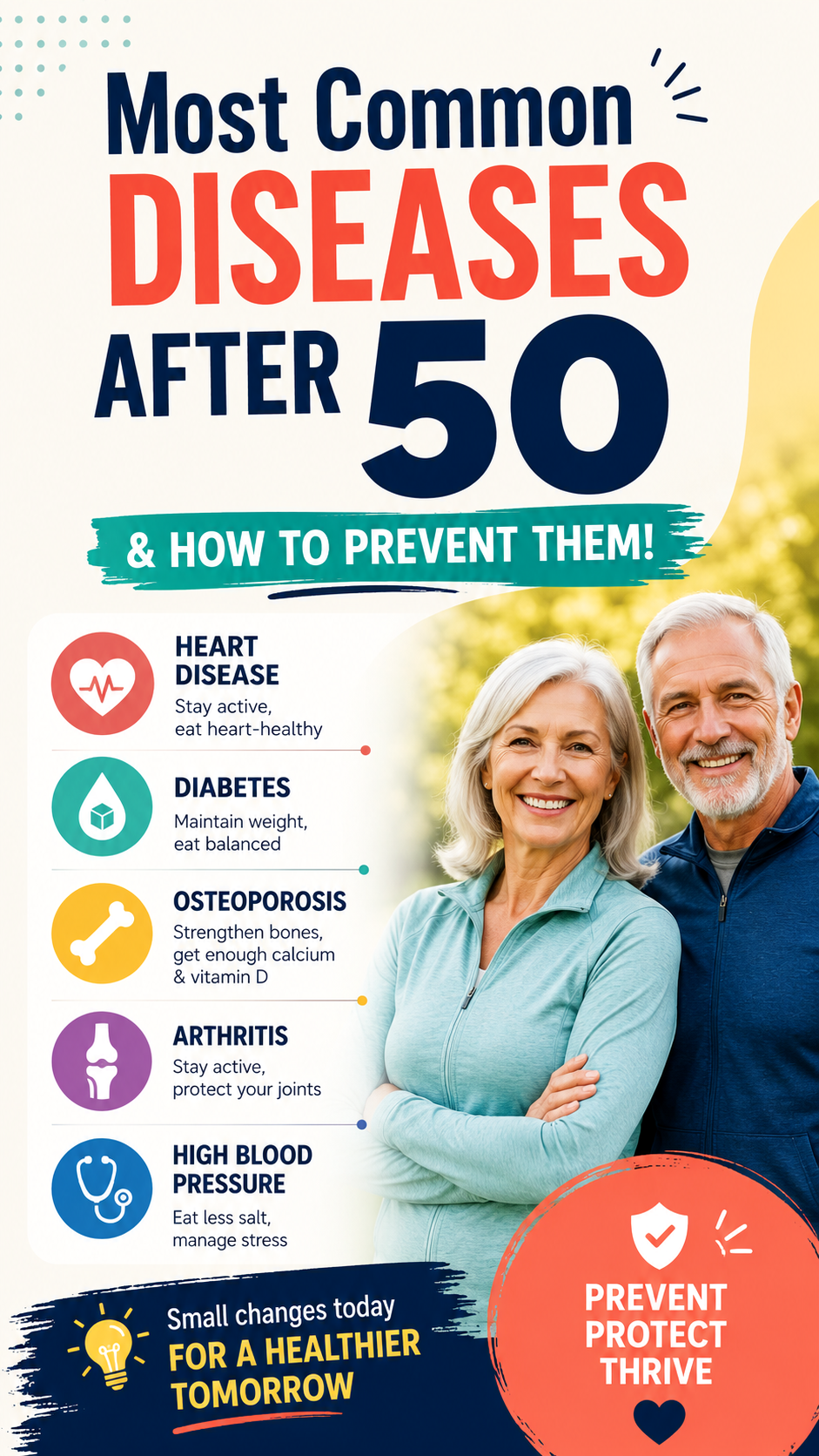
Turning 50 is an important milestone that often brings new opportunities to focus on long-term health. While aging naturally increases the risk of certain medical conditions, many common diseases after 50 can be prevented or managed through healthy lifestyle choices, regular screenings, and early intervention. Taking a proactive approach to wellness helps maintain independence, energy, and a higher quality of life for years to come.
Rather than worrying about what might happen, it is far more beneficial to understand the risks and learn practical ways to reduce them. Small daily habits often make the biggest difference over time.
Key Takeaways
- Many diseases after age 50 are preventable with healthy lifestyle habits.
- Routine medical checkups help detect health problems early.
- Balanced nutrition and regular exercise support healthy aging.
- Managing stress and getting quality sleep improve overall wellness.
- Preventive care is often more effective than treating advanced illness.
Why Health Risks Increase After 50
As we age, the body naturally undergoes changes. Metabolism slows, muscle mass gradually decreases, bone density may decline, and blood vessels become less flexible. These changes can increase the likelihood of developing chronic diseases.
Genetics certainly influence health, but daily choices remain one of the strongest predictors of healthy aging. Staying physically active, eating nutritious foods, avoiding tobacco, limiting alcohol, and maintaining a healthy weight all contribute to reducing disease risk.
Important: Healthy aging is not about avoiding every illness. It is about reducing preventable risks, identifying problems early, and maintaining the highest possible quality of life.
1. Heart Disease
Heart disease remains one of the leading health concerns for adults over 50. High blood pressure, elevated cholesterol, obesity, diabetes, smoking, and inactivity all contribute to cardiovascular problems.
Common Warning Signs
- Chest discomfort
- Shortness of breath
- Fatigue
- Pain in the arm, neck, or jaw
- Irregular heartbeat
Prevention Tips
- Exercise at least 150 minutes each week.
- Choose heart-friendly foods rich in vegetables and whole grains.
- Reduce sodium intake.
- Maintain healthy blood pressure.
- Schedule regular cholesterol screenings.
2. Type 2 Diabetes
Blood sugar regulation often becomes more challenging with age. Being overweight, physically inactive, or having a family history increases diabetes risk.
Fortunately, many cases of Type 2 diabetes can be delayed or prevented through healthy lifestyle changes.
Healthy Habits
- Maintain a healthy body weight.
- Eat high-fiber foods.
- Limit sugary beverages.
- Exercise consistently.
- Monitor blood sugar if recommended.
Expert Insight
Many chronic diseases share the same risk factors. Improving your diet, increasing physical activity, sleeping well, and maintaining a healthy weight can reduce the risk of several conditions simultaneously.
3. Osteoporosis
Bone density naturally declines with age, making fractures more likely. Women are particularly at risk after menopause, but men can also develop osteoporosis.
How to Protect Your Bones
- Consume adequate calcium.
- Get enough vitamin D.
- Perform weight-bearing exercises.
- Strength train regularly.
- Avoid smoking.
Pro Tip: Strength training benefits far more than muscles. It improves bone health, balance, posture, and reduces the risk of falls.
4. Arthritis
Joint stiffness and pain become increasingly common after age 50. Osteoarthritis is caused by gradual wear and tear of cartilage, while other forms involve inflammation.
Managing Joint Health
- Maintain a healthy weight.
- Stay physically active.
- Stretch daily.
- Strengthen supporting muscles.
- Protect joints during physical activity.
5. High Blood Pressure
High blood pressure often develops without noticeable symptoms, making regular monitoring essential.
When left untreated, hypertension increases the risk of heart attack, stroke, kidney disease, and vision problems.
Reduce Your Risk
- Limit processed foods.
- Reduce sodium.
- Exercise regularly.
- Manage stress.
- Take prescribed medication consistently.
6. Cancer
The risk of many cancers increases with age, making screening an essential part of preventive healthcare.
Recommended screenings vary depending on age, sex, family history, and overall health.
Healthy Prevention Strategies
- Avoid tobacco products.
- Maintain a healthy weight.
- Wear sunscreen.
- Eat more fruits and vegetables.
- Follow recommended screening schedules.
Important: Early detection dramatically improves treatment outcomes for many diseases. Never ignore unusual symptoms or delay routine screenings.
7. Cognitive Decline
Some memory changes are part of normal aging, but significant cognitive decline is not inevitable.
Keeping the brain active through lifelong learning, social interaction, physical exercise, and healthy nutrition supports cognitive health.
Brain-Healthy Habits
- Read regularly.
- Learn new skills.
- Stay socially connected.
- Exercise consistently.
- Prioritize quality sleep.
Lifestyle Habits That Make the Biggest Difference
Healthy aging does not depend on one perfect diet or exercise program. Instead, it comes from building sustainable daily habits that support the body over many years.
- Eat colorful fruits and vegetables daily.
- Include lean proteins.
- Choose healthy fats.
- Stay hydrated.
- Walk every day.
- Sleep seven to nine hours.
- Manage stress through relaxation techniques.
- Stay connected with friends and family.
Recommended Health Screenings After 50
Preventive healthcare becomes increasingly valuable with age. Regular medical appointments allow healthcare professionals to identify concerns before they become serious.
- Blood pressure checks
- Cholesterol testing
- Blood sugar screening
- Bone density testing when appropriate
- Cancer screenings
- Vision examinations
- Hearing evaluations
- Dental checkups
Nutrition for Healthy Aging
A nutrient-rich diet supports nearly every body system. Focus on foods that provide vitamins, minerals, antioxidants, healthy fats, and fiber.
Excellent Food Choices
- Leafy greens
- Berries
- Whole grains
- Beans and legumes
- Fish rich in omega-3 fats
- Nuts and seeds
- Low-fat dairy or fortified alternatives
At a Glance
- Stay active every week.
- Eat balanced, nutrient-rich meals.
- Keep up with preventive screenings.
- Monitor blood pressure and blood sugar.
- Prioritize sleep, stress management, and social connections.
Conclusion
Growing older brings valuable experience, wisdom, and opportunities to prioritize health. While certain diseases become more common after age 50, many can be prevented, delayed, or effectively managed through consistent healthy habits and regular medical care.
Focus on small improvements rather than dramatic changes. Eating nutritious meals, staying physically active, maintaining routine health screenings, and listening to your body all contribute to a healthier future. Every positive choice you make today builds a stronger foundation for the years ahead.
Tags
Healthy Aging Over 50 Health Disease Prevention Senior Wellness Preventive Care Healthy Lifestyle Chronic Disease Wellness Tips