
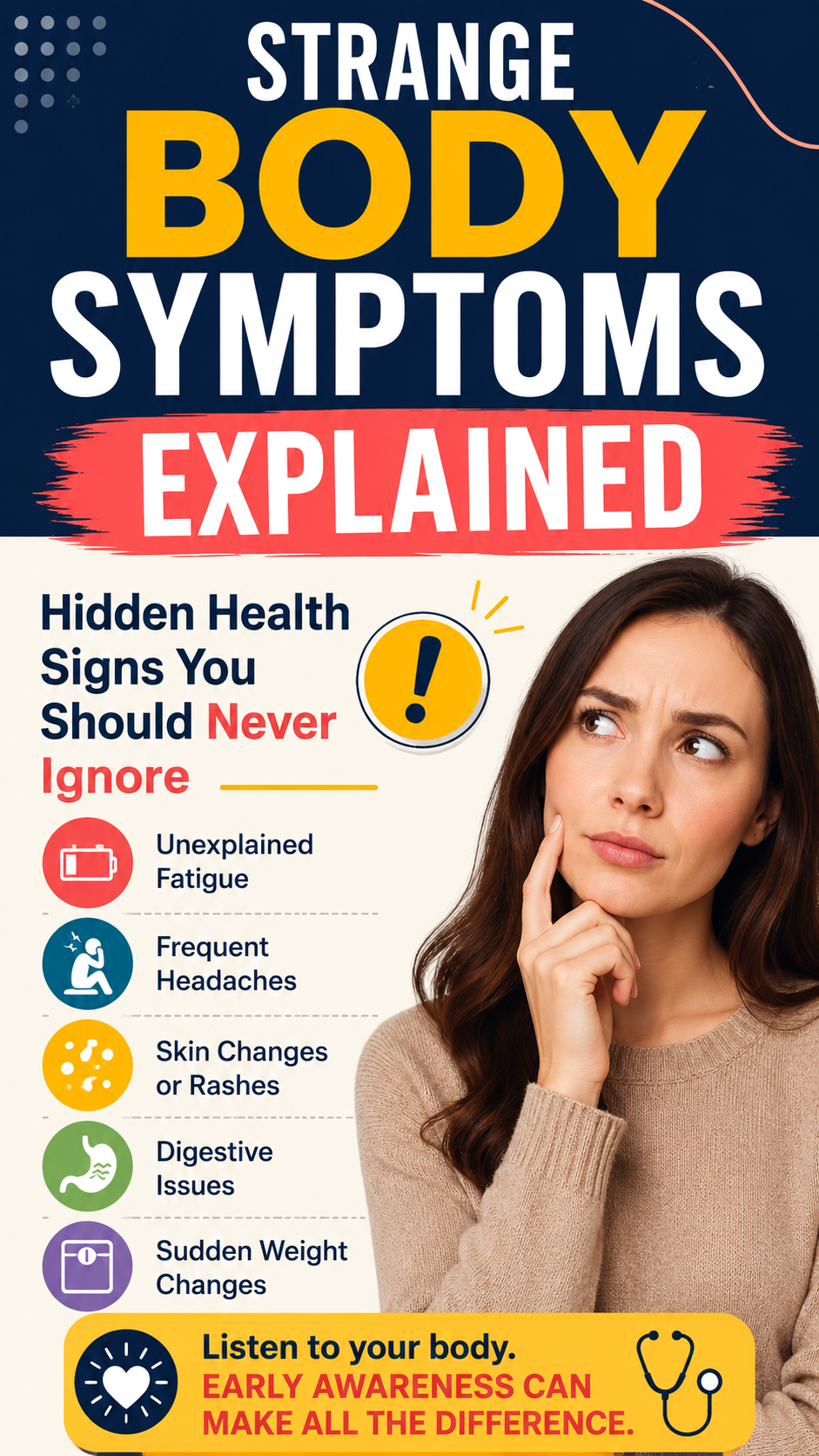
Many people notice unusual changes in their bodies but dismiss them as temporary or unimportant. A tingling sensation, unexpected bruising, persistent fatigue, changes in skin color, or recurring headaches may seem harmless at first. While many symptoms are linked to everyday stress, lack of sleep, or minor illnesses, others can be early warning signs that deserve closer attention. Understanding these signals helps you make informed decisions about your health and know when it’s time to seek professional medical advice.
Key Takeaways
- Many body symptoms have harmless explanations, but some require prompt medical evaluation.
- Persistent or worsening symptoms should never be ignored.
- Early detection often improves treatment outcomes.
- Healthy lifestyle habits help reduce the risk of many conditions.
- Tracking symptoms can help healthcare providers make accurate diagnoses.
Why Your Body Sends Warning Signs
Your body constantly communicates through physical sensations and changes. Pain, swelling, fatigue, dizziness, skin changes, digestive issues, and other symptoms often serve as signals that something needs attention. These signals do not always indicate a serious illness, but they should not be ignored if they become persistent, severe, or are accompanied by other concerning symptoms.
Important: Paying attention to changes that are unusual for you is one of the simplest ways to protect your health. Early evaluation can often identify treatable conditions before they become more serious.
Common Strange Symptoms People Often Overlook
Persistent Fatigue
Feeling tired after a busy week is normal. However, ongoing fatigue that does not improve with rest may be associated with sleep disorders, anemia, thyroid problems, nutritional deficiencies, infections, or other medical conditions.
- Fatigue lasting several weeks
- Difficulty concentrating
- Low energy despite adequate sleep
- Reduced ability to complete daily activities
Unexplained Bruising
Occasional bruises happen to everyone, especially after minor bumps. Frequent bruising without remembering an injury may warrant medical evaluation, particularly if accompanied by unusual bleeding.
Sudden Weight Changes
Unexpected weight loss or gain without significant lifestyle changes could be related to hormonal changes, digestive disorders, medications, or other underlying health concerns.
Persistent Headaches
Headaches are common, but headaches that become more frequent, significantly more severe, or develop alongside vision changes, confusion, weakness, or fever require prompt medical assessment.
Why This Matters
Many serious illnesses begin with subtle symptoms. Recognizing changes early does not mean expecting the worst. It means giving yourself the opportunity to receive appropriate care before problems become more difficult to manage.
Changes in Your Skin Can Reveal More Than You Think
Your skin is the body’s largest organ and often reflects internal health. New rashes, persistent itching, unusual discoloration, changing moles, or wounds that fail to heal deserve attention.
Watch for These Skin Changes
- Yellowing of the skin or eyes
- Dark patches that appear suddenly
- Rapidly changing moles
- Persistent redness or swelling
- Skin that bruises very easily
Many skin conditions are harmless, but early evaluation can help identify infections, allergies, autoimmune disorders, or skin cancer when treatment is most effective.
Digestive Symptoms That Shouldn’t Be Ignored
Digestive discomfort occasionally affects everyone. However, recurring abdominal pain, persistent heartburn, blood in the stool, long-lasting diarrhea, or unexplained constipation may indicate conditions that require medical evaluation.
Keeping a food diary may help identify dietary triggers while providing useful information during healthcare appointments.
Pro Tip: Record when symptoms occur, what you were eating, your activity level, medications, and stress levels. Even small details can help healthcare professionals identify patterns.
Neurological Symptoms Worth Monitoring
Your nervous system controls movement, sensation, memory, and coordination. Sudden or persistent neurological symptoms should never be dismissed.
Examples Include
- Numbness or tingling
- Difficulty speaking
- Loss of balance
- Persistent dizziness
- Memory problems
- Muscle weakness
While these symptoms may have simple explanations, they may also indicate conditions that benefit from prompt diagnosis.
When Shortness of Breath Needs Immediate Attention
Breathing changes should never be ignored. Sudden shortness of breath, chest pain, or difficulty breathing during rest requires urgent medical care. Mild breathlessness during exercise may be expected, but symptoms that worsen over time should be evaluated.
Mental and Emotional Changes Can Be Physical Too
Health is more than physical appearance. Difficulty concentrating, unusual mood changes, memory issues, persistent anxiety, or depression may sometimes be connected with physical illnesses, medication effects, sleep disorders, or nutritional deficiencies.
Seeking support for mental health symptoms is just as important as addressing physical symptoms.
Knowing When to See a Healthcare Professional
Not every unusual symptom requires emergency care, but certain situations should never be delayed.
Seek Immediate Medical Attention If You Experience:
- Chest pain
- Sudden weakness on one side
- Difficulty speaking
- Loss of consciousness
- Severe allergic reactions
- Heavy uncontrolled bleeding
- Sudden vision loss
- Severe difficulty breathing
For less urgent symptoms, schedule an appointment if they continue for several days or weeks, interfere with daily life, or continue getting worse.
Simple Habits That Support Better Health
Although no lifestyle guarantees perfect health, healthy habits reduce the risk of many chronic conditions and make it easier to notice when something changes.
- Get regular physical activity.
- Eat a balanced diet rich in fruits and vegetables.
- Stay hydrated.
- Maintain a consistent sleep schedule.
- Avoid smoking.
- Limit excessive alcohol consumption.
- Manage stress through healthy coping strategies.
- Schedule recommended health screenings.
Important: Routine preventive care is often more effective than waiting until symptoms become severe. Annual checkups and recommended screenings can identify health concerns before noticeable symptoms appear.
Questions to Ask Yourself About New Symptoms
- When did the symptom begin?
- Has it become worse over time?
- Does anything improve or worsen it?
- Is it affecting your daily routine?
- Are there other symptoms happening at the same time?
- Have you recently started a new medication?
Answering these questions before a medical appointment can improve communication with your healthcare provider and lead to a more efficient evaluation.
Building Long-Term Health Awareness
Health awareness is not about becoming anxious over every sensation. Instead, it involves becoming familiar with what is normal for your own body. This makes unusual changes easier to recognize and discuss with a healthcare professional.
Educating yourself through reliable health information, maintaining preventive care appointments, and responding appropriately to persistent symptoms all contribute to better long-term wellness.
At a Glance
- Notice new or persistent body changes.
- Track symptoms with dates and details.
- Do not ignore symptoms that worsen over time.
- Practice healthy daily habits.
- Consult a healthcare professional when symptoms are concerning.
Conclusion
Your body provides valuable information every day. While many unusual symptoms have simple explanations, others deserve careful attention. Learning to recognize hidden health warning signs allows you to take proactive steps toward protecting your well-being. Listening to your body, maintaining healthy habits, and seeking medical advice when symptoms persist are practical ways to support long-term health. Staying informed is one of the most effective tools you have for making confident decisions about your wellness.
Tags
Body Symptoms Health Warning Signs Preventive Health Wellness Tips Healthy Living Medical Awareness Early Detection