
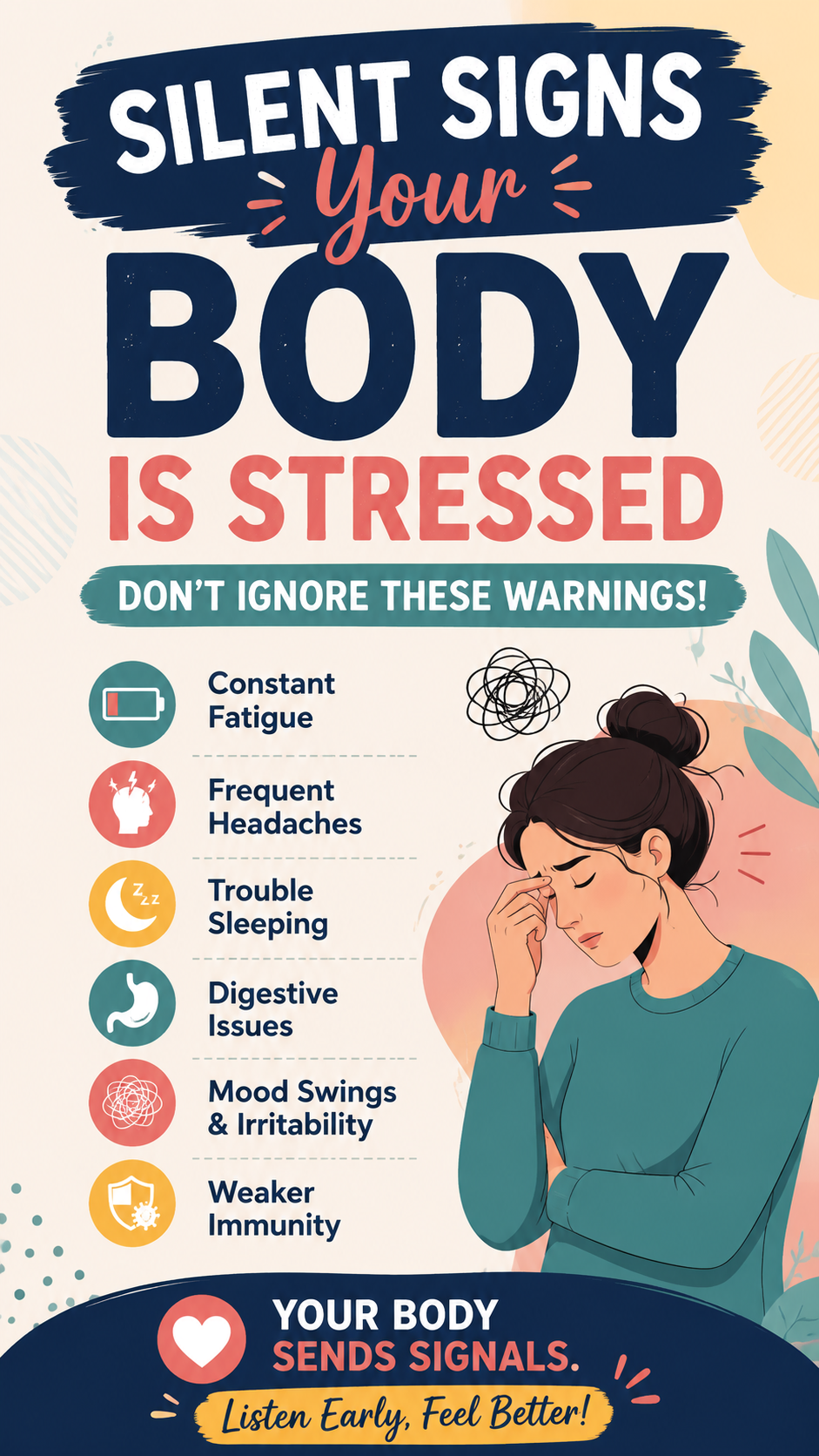
Stress is often described as a mental or emotional burden, but its effects extend far beyond how you feel. Long before you recognize that you are overwhelmed, your body may already be sending subtle signals that something is not right. These warning signs can appear gradually and are easy to dismiss as part of a busy lifestyle, lack of sleep, or everyday responsibilities. However, learning to recognize the silent signs of stress can help you take action before it affects your health, relationships, and overall quality of life.
Modern life places constant demands on our attention, energy, and emotional resilience. While occasional stress is a normal part of life, chronic stress can have a significant impact on both physical and mental well-being. Understanding the body’s early warning signals is one of the most effective ways to protect your health and maintain balance.
Key Takeaways
- Stress often appears through physical symptoms before emotional symptoms become obvious.
- Fatigue, headaches, and sleep disturbances are common warning signs.
- Chronic stress can weaken the immune system and affect digestion.
- Recognizing symptoms early helps prevent burnout and long-term health issues.
- Simple lifestyle changes can significantly reduce stress levels.
What Happens to Your Body During Stress?
When your brain perceives a challenge or threat, it activates the body’s stress response system. Hormones such as cortisol and adrenaline are released, preparing you to react quickly. This response is incredibly useful in short-term situations, but problems arise when stress becomes a constant presence.
Persistent stress keeps the body in a heightened state of alertness. Over time, this can affect nearly every system, including the cardiovascular system, digestive tract, immune function, and sleep cycles.
Important: Many people wait until stress feels overwhelming before taking it seriously. In reality, the body often provides early warning signals weeks or even months before emotional exhaustion becomes obvious.
Persistent Fatigue That Doesn’t Go Away
Feeling tired after a busy day is normal. Feeling exhausted despite getting adequate rest is not. One of the most common silent signs of chronic stress is ongoing fatigue.
Stress requires energy. When the body continuously produces stress hormones, energy reserves become depleted. This can leave you feeling drained even after sleeping through the night.
- Difficulty getting out of bed
- Low motivation throughout the day
- Reduced productivity
- Feeling mentally and physically exhausted
If fatigue persists without an obvious cause, stress may be a contributing factor worth exploring.
Frequent Headaches and Muscle Tension
Stress often manifests physically through tension in the muscles. Many people unconsciously tighten their shoulders, neck, jaw, or back during stressful situations.
This prolonged muscle tension can lead to recurring headaches and discomfort. Tension headaches are among the most common stress-related symptoms and can range from mild pressure to significant pain.
Muscle tightness may also contribute to:
- Neck pain
- Shoulder stiffness
- Jaw discomfort
- Back pain
- Reduced flexibility
Regular stretching, movement, and stress management techniques can often help reduce these symptoms.
Sleep Problems and Restless Nights
Quality sleep is essential for recovery, yet stress is one of the leading causes of sleep disruption. Even when you feel physically tired, an active mind can make it difficult to fall asleep or stay asleep.
Common stress-related sleep issues include:
- Difficulty falling asleep
- Frequent waking during the night
- Early morning awakening
- Vivid dreams or nightmares
- Feeling unrefreshed after sleep
When poor sleep combines with ongoing stress, a cycle develops. Stress interferes with sleep, and lack of sleep increases stress sensitivity.
Why This Matters
- Sleep is when the body repairs and restores itself.
- Chronic sleep disruption increases stress hormone production.
- Improving sleep quality can significantly improve stress resilience.
Digestive Changes You Shouldn’t Ignore
The connection between the brain and digestive system is stronger than many people realize. Stress can influence digestion in noticeable ways.
Some individuals experience stomach discomfort during stressful situations, while others notice long-term digestive changes when stress becomes chronic.
Potential symptoms include:
- Upset stomach
- Bloating
- Nausea
- Changes in appetite
- Constipation or diarrhea
The digestive system is highly sensitive to emotional and psychological stressors. Paying attention to these changes may provide valuable clues about your overall stress levels.
Increased Irritability and Mood Changes
Stress does not always appear as anxiety. Sometimes it shows up as frustration, impatience, or emotional sensitivity.
You may notice yourself reacting more strongly to minor inconveniences or feeling less tolerant than usual. Small issues that once seemed manageable may suddenly feel overwhelming.
Common emotional indicators include:
- Short temper
- Feeling overwhelmed
- Difficulty concentrating
- Mood swings
- Loss of motivation
Recognizing these changes early can help prevent stress from escalating into more serious emotional challenges.
Pro Tip: If you notice increased irritability, take a moment to evaluate your recent workload, sleep quality, and daily habits. Emotional reactions often reveal stress levels before physical symptoms become severe.
A Weakened Immune System
Chronic stress can influence the body’s ability to defend itself against illness. When stress hormones remain elevated for extended periods, immune function may become less effective.
This can lead to:
- Frequent colds
- Slower recovery from illness
- Recurring infections
- General feelings of being run down
If you find yourself getting sick more often than usual, stress may be playing a role behind the scenes.
Changes in Appetite and Eating Habits
Stress affects people differently when it comes to food. Some lose their appetite entirely, while others crave comfort foods rich in sugar, salt, or fat.
Emotional eating can become a coping mechanism that temporarily reduces discomfort but may contribute to long-term health challenges.
Watch for patterns such as:
- Skipping meals
- Constant snacking
- Strong cravings
- Eating without hunger
- Sudden weight changes
Awareness of these habits can help you identify stress-related behaviors before they become deeply ingrained.
Difficulty Concentrating and Mental Fog
Stress consumes mental resources. When your brain is constantly processing worries, deadlines, or responsibilities, concentration often suffers.
Mental fog may feel like:
- Forgetfulness
- Trouble focusing
- Difficulty making decisions
- Reduced creativity
- Lower productivity
These symptoms can impact work performance, academic success, and everyday tasks.
Important: Many people mistake mental fog for laziness or lack of motivation. In reality, chronic stress places a significant cognitive burden on the brain, making focus and decision-making more challenging.
Skin Changes and Physical Appearance
Your skin often reflects what is happening internally. Stress can contribute to various skin concerns by influencing hormone levels and inflammation.
Potential signs include:
- Breakouts
- Increased sensitivity
- Dryness
- Dull complexion
- Flare-ups of existing skin conditions
Hair health may also be affected. Some people notice increased shedding or changes in hair texture during prolonged periods of stress.
When Stress Starts Affecting Relationships
Stress rarely stays confined to one area of life. It can influence communication, patience, and emotional availability.
You may find yourself withdrawing from social activities, becoming less engaged in conversations, or feeling emotionally distant from loved ones.
Healthy relationships often serve as a protective factor against stress, making social connection an important part of stress management.
Practical Ways to Reduce Stress Naturally
The good news is that small changes can make a meaningful difference. Stress management does not require a complete lifestyle overhaul.
Prioritize Quality Sleep
Create a consistent bedtime routine and reduce screen exposure before sleep.
Move Your Body Daily
Regular physical activity helps regulate stress hormones and supports emotional well-being.
Practice Mindfulness
Simple breathing exercises, meditation, or mindful walks can calm the nervous system.
Maintain Healthy Boundaries
Learning when to say no can prevent excessive commitments and protect your energy.
Stay Connected
Talking with trusted friends, family members, or professionals can provide valuable support during stressful periods.
Knowing When to Seek Additional Support
While occasional stress is a normal part of life, persistent symptoms that interfere with daily functioning deserve attention. If stress is affecting your sleep, relationships, work performance, or overall health, seeking support can be a positive and proactive step.
Healthcare professionals, counselors, and mental health specialists can help identify underlying causes and develop effective coping strategies.
At a Glance
- Fatigue is one of the earliest signs of chronic stress.
- Sleep disturbances often worsen stress symptoms.
- Digestive issues can be linked to emotional strain.
- Mental fog and irritability are common warning signals.
- Early action can prevent burnout and long-term health effects.
Conclusion
The body has an incredible ability to communicate when something needs attention. Silent signs such as fatigue, headaches, digestive discomfort, sleep problems, mood changes, and mental fog are often more than isolated inconveniences. They may be signals that stress is taking a greater toll than you realize.
By recognizing these warning signs early and adopting healthy coping strategies, you can support both your physical and emotional well-being. Small daily actions, consistent self-care habits, and a willingness to address stress proactively can make a remarkable difference over time. Paying attention to your body’s messages today may help prevent more serious challenges tomorrow.
Tags
Stress Symptoms Mental Health Stress Management Self Care Wellness Tips Burnout Prevention Healthy Lifestyle Emotional Wellbeing