
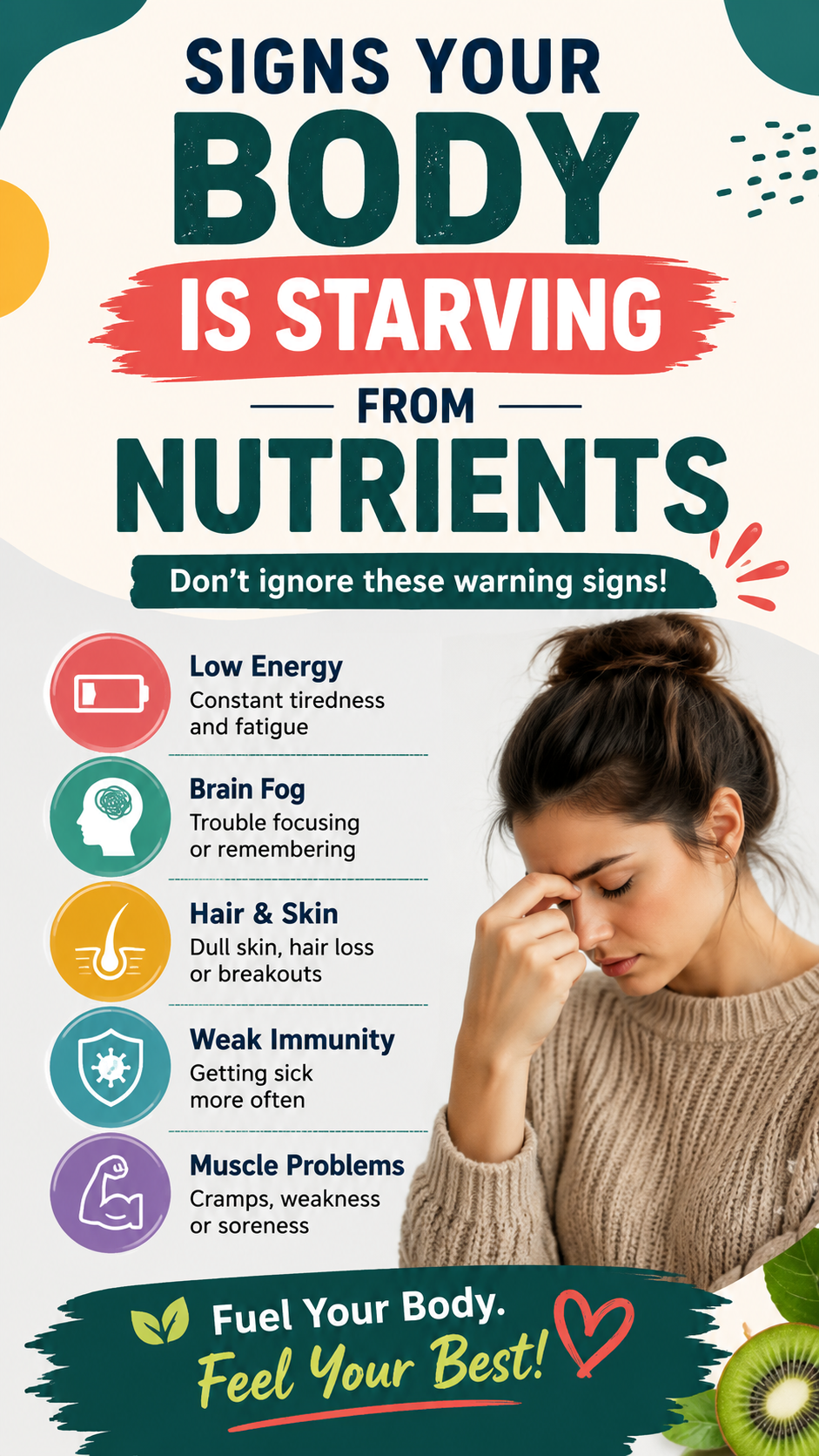
Many people focus on calories, exercise routines, and sleep habits when trying to improve their health. Yet one often overlooked factor is nutrient intake. Your body depends on a steady supply of vitamins, minerals, protein, healthy fats, and other essential nutrients to perform countless functions every day. When those nutrients are missing, the body often sends warning signals long before a serious deficiency develops.
Recognizing these signs early can help you make informed dietary changes and support your overall well-being. While occasional symptoms may have multiple causes, a pattern of persistent issues could indicate that your body is not getting the nutrients it needs to thrive.
Key Takeaways
- Nutrient deficiencies can affect energy, mood, skin, hair, and immunity.
- Many warning signs develop gradually and are easy to overlook.
- A balanced diet is the best foundation for meeting nutrient needs.
- Persistent symptoms should be discussed with a healthcare professional.
- Early action can help prevent more serious health concerns.
Why Nutrients Matter More Than You Think
Your body relies on nutrients to produce energy, repair tissues, support brain function, regulate hormones, and maintain a strong immune system. Even mild nutrient shortages can influence how you feel on a daily basis.
Modern lifestyles often contribute to nutritional gaps. Busy schedules, processed foods, restrictive diets, stress, and certain health conditions can make it harder to obtain all the nutrients your body requires.
Important: Nutrient deficiencies do not always appear as dramatic health problems. In many cases, they begin with subtle symptoms such as fatigue, difficulty concentrating, or changes in skin and hair quality.
1. Persistent Fatigue and Low Energy
One of the most common signs of inadequate nutrition is ongoing fatigue. If you consistently feel drained despite getting enough sleep, your body may be lacking essential nutrients involved in energy production.
Iron, vitamin B12, folate, magnesium, and protein all play important roles in maintaining healthy energy levels. When these nutrients are insufficient, cells may struggle to produce energy efficiently.
- Feeling tired throughout the day
- Difficulty completing normal activities
- Reduced stamina during exercise
- Frequent feelings of weakness
2. Brittle Nails and Weak Hair
Your hair and nails can provide valuable clues about your nutritional status. Nutrients such as biotin, iron, zinc, protein, and essential fatty acids help support healthy growth and strength.
If your nails crack easily or your hair seems thinner than usual, nutritional imbalances may be worth considering. While genetics and other factors also play a role, dietary deficiencies can contribute to these changes.
Common Signs to Watch For
- Frequent nail splitting
- Slow nail growth
- Excessive hair shedding
- Hair that appears dry or fragile
3. Frequent Illness and Reduced Immunity
A healthy immune system requires a wide range of nutrients to function properly. Vitamins A, C, D, E, zinc, selenium, and protein all contribute to immune health.
If you seem to catch every cold circulating around you or take longer than usual to recover from illness, inadequate nutrient intake could be a contributing factor.
The immune system works continuously behind the scenes. Without sufficient nutritional support, its effectiveness may decline over time.
Why This Matters
- Strong immunity depends on consistent nutrient intake.
- Even mild deficiencies can impact immune responses.
- Balanced meals support both prevention and recovery.
4. Slow Healing of Cuts and Scrapes
The body’s repair processes rely on adequate nutrition. Protein, vitamin C, zinc, and several other nutrients help support wound healing and tissue repair.
If minor cuts, bruises, or skin irritations seem to take longer than expected to heal, your body may not have the resources it needs to repair itself efficiently.
5. Pale Skin or Unusual Changes in Appearance
Skin health often reflects what’s happening internally. Pale skin can sometimes be associated with low iron levels, while other nutrient deficiencies may contribute to dryness, irritation, or a dull complexion.
Healthy skin requires a combination of vitamins, minerals, hydration, and healthy fats. When nutritional intake falls short, visible changes can develop.
Skin Changes Worth Monitoring
- Persistent dryness
- Unusual paleness
- Increased sensitivity
- Flaking or irritation
6. Difficulty Concentrating and Brain Fog
The brain is one of the body’s most nutrient-demanding organs. Vitamins B12 and B6, omega-3 fatty acids, iron, magnesium, and other nutrients support cognitive function.
When nutritional needs are not met, some people experience difficulty concentrating, forgetfulness, reduced productivity, or mental fatigue.
Pro Tip: Consistent hydration, balanced meals, and adequate protein intake can help support mental clarity and reduce energy crashes throughout the day.
7. Muscle Weakness and Frequent Cramps
Muscles require several nutrients to function properly. Magnesium, potassium, calcium, vitamin D, and protein all contribute to muscle performance and recovery.
Deficiencies may lead to muscle weakness, cramping, twitching, or discomfort. While occasional cramps are common, frequent episodes may deserve further attention.
Potential Contributing Nutrients
- Magnesium
- Potassium
- Calcium
- Vitamin D
- Protein
8. Mood Changes and Irritability
Nutrition influences more than physical health. Several nutrients play important roles in neurotransmitter production and emotional well-being.
Low levels of certain vitamins and minerals may contribute to mood fluctuations, irritability, reduced motivation, or feelings of mental exhaustion.
Although mood changes can have many causes, maintaining a nutrient-rich diet is an important part of supporting emotional health.
9. Cravings for Unusual Foods or Substances
Food cravings can occur for many reasons, including habits, emotions, and environmental influences. However, persistent cravings may sometimes signal a nutritional imbalance.
For example, unusual cravings for non-food substances can occasionally be associated with iron deficiency. While not every craving points to a nutrient shortage, patterns should not be ignored.
10. Digestive Problems
The digestive system depends on adequate fiber, hydration, and various nutrients to function smoothly. Nutritional gaps can contribute to digestive discomfort, irregular bowel movements, bloating, or changes in appetite.
Supporting gut health with a varied diet rich in fruits, vegetables, whole grains, and quality protein sources can often help improve digestive function.
Who Is Most at Risk for Nutrient Deficiencies?
Certain groups may be more vulnerable to nutritional gaps than others.
- People following restrictive diets
- Older adults
- Individuals with digestive disorders
- Pregnant women
- People with increased physical demands
- Those who frequently skip meals
Understanding your personal risk factors can help you make more informed nutrition choices.
How to Improve Nutrient Intake Naturally
Fortunately, improving nutrient intake often begins with simple dietary habits. Small changes made consistently can have a meaningful impact on overall health.
Prioritize Whole Foods
Choose foods that are naturally rich in vitamins and minerals. Fruits, vegetables, lean proteins, legumes, nuts, seeds, and whole grains provide a broad spectrum of nutrients.
Eat a Variety of Foods
No single food contains every nutrient your body needs. Variety helps ensure broader nutritional coverage.
Include Protein at Every Meal
Protein supports muscle maintenance, immune function, hormone production, and tissue repair.
Stay Hydrated
Water supports digestion, circulation, nutrient transport, and countless other bodily processes.
Limit Excessively Processed Foods
Highly processed foods may provide calories while offering fewer essential nutrients compared to whole-food alternatives.
Important: Supplements may help in certain situations, but they should not replace a balanced diet. It is always wise to seek professional guidance before starting any supplementation routine.
When to Seek Professional Advice
If symptoms persist despite dietary improvements, it may be beneficial to consult a healthcare professional. Blood tests and nutritional assessments can help identify specific deficiencies and guide appropriate treatment.
Early identification often makes it easier to correct nutrient imbalances and prevent complications.
At a Glance
- Fatigue is one of the most common warning signs of nutrient deficiency.
- Hair, skin, and nail changes can reveal nutritional gaps.
- Strong immunity depends on adequate vitamin and mineral intake.
- Brain fog and mood changes may have nutritional components.
- Balanced eating habits support long-term health and wellness.
Conclusion
Your body is remarkably effective at communicating its needs. Persistent fatigue, brittle nails, weakened immunity, poor concentration, muscle cramps, and other symptoms may all serve as clues that important nutrients are missing from your diet.
Paying attention to these warning signs can help you take proactive steps toward better health. A nutrient-rich eating pattern built around whole foods, adequate hydration, and dietary variety provides a strong foundation for supporting energy, immunity, mental clarity, and overall well-being.
Small improvements made consistently can have a lasting impact. By recognizing the signals your body sends and responding with healthy nutrition choices, you can support optimal function and feel your best every day.
Tags
Nutrient Deficiency Healthy Eating Vitamin Deficiency Nutrition Tips Wellness Balanced Diet Healthy Lifestyle Essential Nutrients