
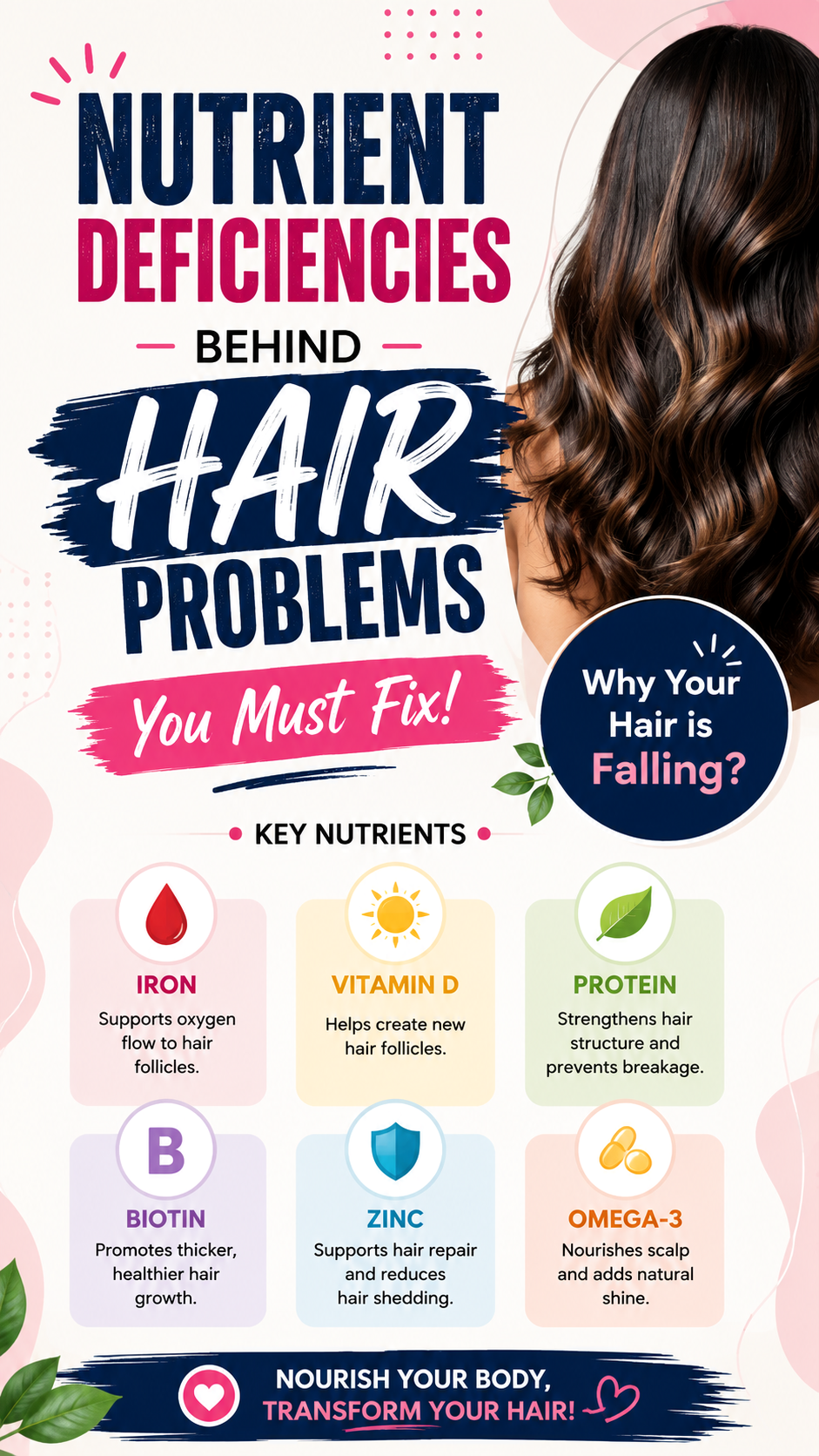
Hair problems can be frustrating, especially when they seem to appear without warning. Whether you are noticing increased shedding in the shower, thinning around the hairline, brittle strands, or slower-than-usual growth, your body may be trying to tell you something important. While stress, genetics, and hair care habits all play a role, nutritional deficiencies are often overlooked contributors to poor hair health. Understanding the connection between nutrients and hair growth can help you address the root cause instead of simply treating the symptoms.
Key Takeaways
- Hair health depends heavily on proper nutrition.
- Several vitamin and mineral deficiencies can contribute to hair loss.
- Early signs often include thinning, breakage, and slower growth.
- A balanced diet supports stronger and healthier hair.
- Addressing nutrient gaps may improve overall scalp and hair condition.
- Professional evaluation can help identify underlying deficiencies.
The Strong Connection Between Nutrition and Hair Health
Hair is one of the fastest-growing tissues in the body, but it is not considered essential for survival. When the body lacks key nutrients, it prioritizes critical organs and functions over hair growth. As a result, hair follicles may receive fewer resources, leading to shedding, weakness, and reduced growth.
Healthy hair requires a steady supply of vitamins, minerals, proteins, and healthy fats. Even mild nutritional deficiencies can affect the hair growth cycle and make strands more vulnerable to damage.
Important: Hair loss is often one of the first visible signs that the body may be lacking essential nutrients. Paying attention to these signals can help identify potential health concerns before they become more serious.
Iron Deficiency and Hair Shedding
Iron deficiency is one of the most common nutritional issues linked to hair loss. Iron helps red blood cells transport oxygen throughout the body, including to the scalp and hair follicles.
When iron levels are low, hair follicles may not receive enough oxygen and nutrients to function optimally. This can lead to excessive shedding, thinning, and reduced hair density over time.
Common Signs of Low Iron
- Unusual fatigue
- Weakness and low energy
- Pale skin
- Cold hands and feet
- Increased hair shedding
Iron-rich foods such as lean meats, legumes, spinach, lentils, and fortified cereals can help support healthy iron levels when included in a balanced diet.
Vitamin D and Hair Growth
Vitamin D plays a role in many biological processes, including hair follicle function. Research has suggested a connection between low vitamin D levels and various forms of hair thinning.
Hair follicles contain vitamin D receptors, and adequate levels may help support normal hair cycling. A deficiency can potentially disrupt this process and contribute to hair loss.
Ways to Support Vitamin D Levels
- Safe exposure to sunlight
- Fatty fish such as salmon and sardines
- Egg yolks
- Fortified dairy products
- Professional guidance regarding supplementation
Why This Matters
Many people focus on expensive hair products while overlooking nutritional status. Addressing nutrient deficiencies may provide longer-lasting improvements because it supports hair growth from within.
Protein Deficiency and Weak Hair
Hair is primarily made of a protein called keratin. Without adequate dietary protein, the body may struggle to produce strong and resilient hair strands.
When protein intake is insufficient, hair may become thinner, weaker, and more prone to breakage. In more severe cases, noticeable hair loss can occur.
High-Quality Protein Sources
- Chicken and turkey
- Fish
- Eggs
- Greek yogurt
- Beans and legumes
- Tofu and soy products
- Nuts and seeds
Adequate protein intake is particularly important for individuals following restrictive diets or experiencing significant weight loss.
Biotin Deficiency and Hair Strength
Biotin, also known as vitamin B7, is often associated with hair health. While true biotin deficiency is relatively uncommon, it can contribute to thinning hair and brittle strands when it occurs.
Biotin helps support the body’s ability to process nutrients and maintain healthy hair, skin, and nails.
Pro Tip: Before investing in high-dose biotin supplements, focus on obtaining nutrients through a balanced diet and consult a healthcare professional if you suspect a deficiency.
Foods That Naturally Contain Biotin
- Eggs
- Almonds
- Sweet potatoes
- Salmon
- Sunflower seeds
- Avocados
Zinc Deficiency and Hair Thinning
Zinc is involved in cell growth, tissue repair, and the maintenance of healthy hair follicles. Insufficient zinc intake may contribute to hair thinning and increased shedding.
This mineral also supports oil gland function around hair follicles, which helps maintain a healthy scalp environment.
Sources of Zinc
- Oysters
- Beef
- Pumpkin seeds
- Chickpeas
- Cashews
- Whole grains
Because zinc interacts with other nutrients in the body, balance is important. Excessive supplementation without guidance may create additional nutritional imbalances.
Vitamin B12 and Hair Health
Vitamin B12 plays a key role in red blood cell formation and oxygen delivery throughout the body. A deficiency can affect rapidly growing tissues, including hair follicles.
People following vegetarian or vegan diets may need to pay special attention to B12 intake because the vitamin is primarily found in animal-derived foods.
Potential Signs of Low Vitamin B12
- Fatigue
- Dizziness
- Difficulty concentrating
- Hair thinning
- Weakness
Foods such as fish, eggs, dairy products, meat, and fortified foods can help support healthy B12 levels.
Essential Fatty Acids and Scalp Health
Healthy fats support numerous bodily functions, including skin and scalp health. Essential fatty acids help maintain moisture balance and support the environment in which hair grows.
A lack of healthy fats may contribute to dryness, dullness, and increased fragility of hair strands.
Healthy Fat Sources
- Salmon
- Mackerel
- Walnuts
- Flaxseeds
- Chia seeds
- Avocados
- Olive oil
Incorporating these foods into your meals can support overall wellness while benefiting hair and scalp condition.
How Crash Diets Affect Hair Growth
Rapid weight loss and highly restrictive diets often reduce the intake of important nutrients. This can shock the body and trigger increased hair shedding several months later.
The condition known as telogen effluvium can occur when physical stress, illness, or nutritional deficiencies push more hairs into the shedding phase.
Important: Sustainable eating habits generally support better long-term hair health than extreme diets that significantly reduce calories or eliminate major food groups.
Building a Hair-Friendly Diet
Rather than focusing on a single nutrient, aim for a balanced dietary pattern that supports overall health. Hair follicles thrive when they consistently receive a variety of nutrients.
A Balanced Hair Health Plate Might Include
- Lean protein sources
- Colorful vegetables
- Fresh fruits
- Whole grains
- Healthy fats
- Adequate hydration
Consistency matters more than perfection. Small improvements in nutrition can support healthier hair over time.
When to Seek Professional Advice
While nutritional deficiencies can contribute to hair problems, they are not the only possible cause. Genetics, hormonal changes, certain medications, medical conditions, and chronic stress may also play a role.
If you experience sudden, severe, or persistent hair loss, it is wise to seek professional guidance. Proper testing can help identify nutrient deficiencies and rule out other underlying concerns.
Early intervention often leads to better outcomes and can prevent unnecessary frustration from trial-and-error solutions.
At a Glance
- Iron deficiency is a common contributor to hair shedding.
- Vitamin D supports healthy hair follicle function.
- Protein is essential because hair is primarily made of keratin.
- Zinc, biotin, and B vitamins all support healthy growth.
- Balanced nutrition is one of the foundations of healthy hair.
Conclusion
Hair health is influenced by many factors, but nutrition remains one of the most important and often overlooked pieces of the puzzle. Deficiencies in iron, vitamin D, protein, zinc, biotin, vitamin B12, and healthy fats can contribute to hair thinning, breakage, and excessive shedding. By focusing on a balanced diet rich in essential nutrients, you can create a stronger foundation for healthier hair growth.
While no single food or supplement offers a magic solution, consistent nutritional support can make a meaningful difference over time. If hair concerns persist, seeking professional advice can help identify underlying issues and guide you toward the most effective solutions for long-term hair wellness.
Tags
Hair Loss Hair Growth Nutrient Deficiency Healthy Hair Scalp Health Hair Care Tips Vitamins For Hair Nutrition