
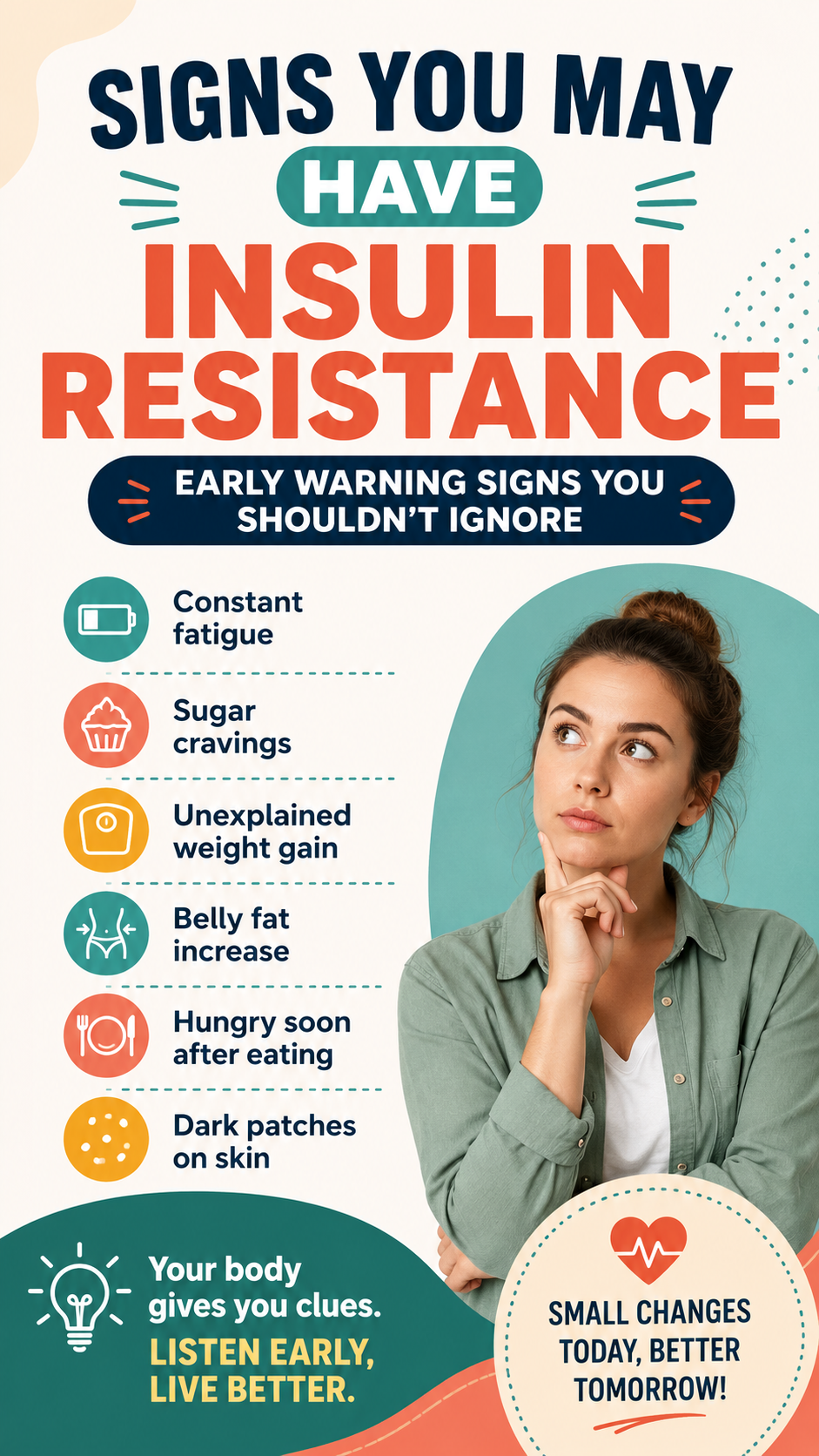
Insulin resistance is one of the most common yet overlooked metabolic health issues affecting adults today. It often develops gradually, with subtle symptoms that can be easy to dismiss as stress, aging, poor sleep, or a busy lifestyle. The challenge is that insulin resistance can quietly progress for years before more serious health concerns emerge. Learning to recognize the early warning signs may help you take action sooner and support better long-term health outcomes.
When your body becomes resistant to insulin, your cells do not respond as effectively to this important hormone. As a result, your body may produce more insulin to compensate. Over time, this can affect energy levels, appetite, weight management, and blood sugar regulation.
Key Takeaways
- Insulin resistance often develops gradually and may go unnoticed.
- Fatigue, cravings, and weight gain can be early warning signs.
- Darkened skin patches may indicate elevated insulin levels.
- Lifestyle habits play a major role in metabolic health.
- Early awareness can support healthier long-term outcomes.
- Small daily changes can make a meaningful difference.
What Is Insulin Resistance?
Insulin is a hormone produced by the pancreas that helps move glucose from the bloodstream into cells where it can be used for energy. When cells become less responsive to insulin, the body must produce larger amounts to achieve the same effect.
This condition is known as insulin resistance. Although blood sugar levels may remain within a normal range initially, elevated insulin levels can create a variety of symptoms and metabolic changes.
Important: Insulin resistance can exist for years before diabetes develops. Identifying warning signs early provides an opportunity to improve metabolic health through nutrition, exercise, sleep, and other lifestyle strategies.
Why Early Detection Matters
Many people associate blood sugar issues only with diabetes, but insulin resistance can influence numerous aspects of health long before a diagnosis occurs. It may affect energy production, hunger signals, body composition, cardiovascular health, and overall wellness.
The earlier you recognize potential signs, the easier it may be to make supportive lifestyle changes. Awareness is not about fear. It is about understanding your body and responding proactively.
Common Early Signs of Insulin Resistance
1. Persistent Fatigue
Feeling tired occasionally is normal. However, ongoing fatigue despite getting adequate sleep may be worth paying attention to. When cells struggle to utilize glucose efficiently, energy production can become less effective.
This may leave you feeling sluggish throughout the day, especially after meals.
2. Increased Sugar Cravings
Frequent cravings for sweets, sugary drinks, or refined carbohydrates can sometimes be connected to blood sugar fluctuations. As insulin regulation becomes less efficient, energy highs and lows may encourage stronger cravings.
Many individuals find themselves reaching for quick sources of energy more often than usual.
3. Difficulty Losing Weight
Weight management can become increasingly frustrating when insulin resistance is present. Elevated insulin levels may promote fat storage, particularly around the abdominal area.
Even with consistent effort, some people notice that weight loss becomes more challenging than expected.
4. Increased Belly Fat
Excess abdominal fat is commonly associated with insulin resistance. While body weight alone does not determine metabolic health, carrying a greater proportion of fat around the midsection may be an important clue.
Waist circumference is often used as one indicator of metabolic risk.
5. Hunger Soon After Eating
If you regularly feel hungry shortly after meals, it may signal that your body’s glucose regulation is not functioning optimally. Large fluctuations in blood sugar can lead to recurring hunger and increased snacking.
This cycle may make maintaining healthy eating habits more difficult.
Why This Matters
- Small symptoms often appear long before serious metabolic problems.
- Recognizing patterns early can encourage timely lifestyle improvements.
- Consistent healthy habits may support better insulin sensitivity over time.
6. Darkened Skin Patches
One of the more visible signs associated with insulin resistance is a skin condition known as acanthosis nigricans. This often appears as darker, thicker patches of skin around the neck, underarms, elbows, or other body folds.
While not every case is related to insulin resistance, it can be an important sign to discuss with a healthcare professional.
7. Brain Fog and Difficulty Concentrating
Many people report trouble focusing, forgetfulness, or reduced mental clarity when blood sugar regulation is inconsistent. Although brain fog has multiple possible causes, metabolic health can be one contributing factor.
Stable energy levels often support clearer thinking and improved productivity.
8. Elevated Blood Pressure
Insulin resistance is frequently discussed alongside other metabolic health markers, including blood pressure. While high blood pressure has many potential causes, it often appears as part of a broader metabolic picture.
Regular health screenings can help identify patterns that may otherwise go unnoticed.
9. Higher Triglyceride Levels
Changes in blood lipid levels may accompany insulin resistance. Elevated triglycerides and lower levels of protective HDL cholesterol are commonly discussed in relation to metabolic health concerns.
Routine blood work can provide valuable insights into these markers.
10. Energy Crashes After Meals
If you feel sleepy or drained shortly after eating, particularly after meals rich in refined carbohydrates, it could indicate fluctuations in blood sugar and insulin activity.
These post-meal crashes can affect productivity, mood, and overall quality of life.
Pro Tip: Pay attention to patterns rather than isolated symptoms. A single sign may not indicate insulin resistance, but several recurring symptoms together may warrant a closer look at your metabolic health.
Who Is More Likely to Develop Insulin Resistance?
Insulin resistance can affect individuals of different ages and backgrounds. However, certain factors may increase risk.
- Physical inactivity
- Carrying excess body weight
- Family history of metabolic disorders
- Poor sleep quality
- Chronic stress
- Diets high in highly processed foods
- Certain hormonal conditions
Having risk factors does not guarantee that insulin resistance will develop. Likewise, people without obvious risk factors can still experience metabolic changes.
Lifestyle Habits That Support Healthy Insulin Sensitivity
Prioritize Whole Foods
A balanced diet built around vegetables, fruits, lean proteins, legumes, nuts, seeds, and minimally processed foods can support overall metabolic health.
Whole foods often provide fiber and nutrients that help promote steadier energy levels throughout the day.
Move Your Body Regularly
Physical activity helps muscles use glucose more efficiently. Walking, strength training, cycling, swimming, and other forms of movement can all contribute to improved insulin sensitivity.
Consistency is often more important than perfection.
Improve Sleep Quality
Sleep plays a significant role in metabolic regulation. Inadequate sleep may affect hormones that influence appetite, insulin function, and energy balance.
Creating a consistent sleep schedule can be a valuable step toward better health.
Manage Stress
Chronic stress can affect hormones and influence blood sugar regulation. Techniques such as meditation, deep breathing, journaling, and regular exercise may help reduce stress levels.
Even a few minutes of relaxation each day can be beneficial.
Important: Sustainable lifestyle changes usually produce better long-term results than extreme diets or short-term health trends. Focus on habits you can realistically maintain over time.
When Should You Talk to a Healthcare Professional?
If you notice several signs associated with insulin resistance, consider discussing your concerns with a qualified healthcare provider. They can evaluate your symptoms, review your health history, and recommend appropriate testing if necessary.
Seeking professional guidance is particularly important if symptoms are persistent, worsening, or affecting your quality of life.
Early conversations can provide clarity and help you make informed decisions about your health.
Building a Long-Term Approach to Metabolic Health
Healthy metabolic function is not achieved through a single meal, workout, or supplement. It is the result of daily choices made consistently over time.
Small improvements can create meaningful momentum. Drinking more water, taking regular walks, choosing nutrient-dense meals, managing stress, and prioritizing sleep all contribute to a healthier foundation.
The goal is not perfection. It is progress. Understanding the warning signs of insulin resistance empowers you to take action before more serious issues arise.
At a Glance
- Fatigue and cravings may be early warning signs.
- Abdominal weight gain is commonly associated with insulin resistance.
- Darkened skin patches can be an important visual clue.
- Exercise, nutrition, sleep, and stress management matter.
- Early awareness supports proactive health decisions.
Conclusion
Insulin resistance often develops quietly, making awareness especially important. Symptoms such as fatigue, increased hunger, sugar cravings, abdominal weight gain, brain fog, and darkened skin patches may provide valuable clues that something is changing beneath the surface.
While these signs do not automatically confirm insulin resistance, recognizing them can encourage a more proactive approach to health. By focusing on balanced nutrition, regular movement, quality sleep, and stress management, many people can support healthier metabolic function and improve overall well-being.
The earlier you pay attention to your body’s signals, the greater your opportunity to make positive changes that benefit your health for years to come.
Tags
Insulin Resistance Blood Sugar Metabolic Health Prediabetes Healthy Lifestyle Nutrition Wellness Diabetes Prevention