
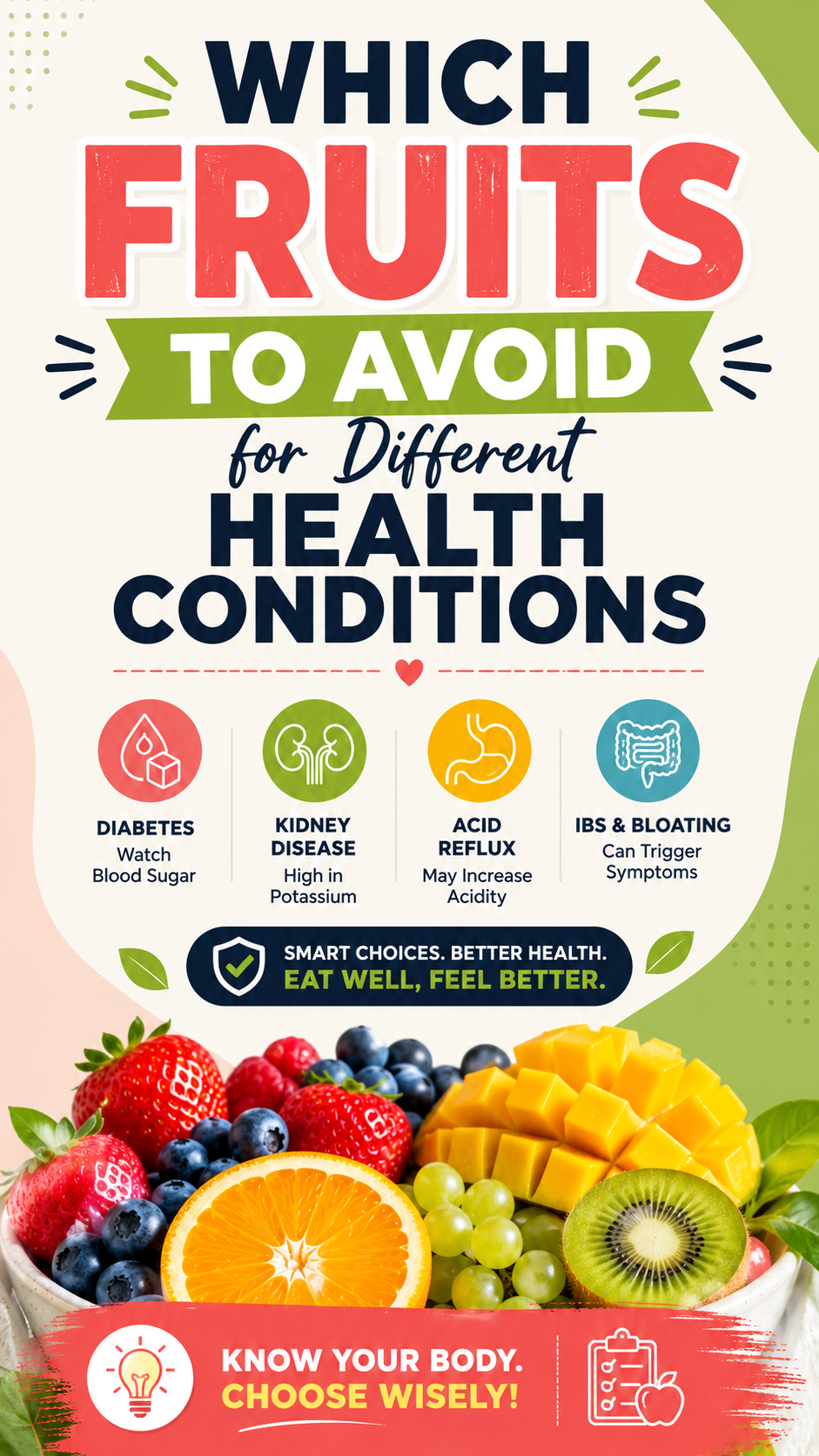
When you are managing a health condition, even “healthy” foods can come with caveats. Fruit is packed with vitamins, minerals, fiber, and antioxidants, but the best choice for one person may not be the best fit for someone else. If you live with diabetes, kidney disease, acid reflux, irritable bowel symptoms, gout, or another diet-sensitive condition, knowing which fruits to limit can help you feel better and avoid unwanted flare-ups. The goal is not to fear fruit. It is to understand how certain fruits interact with your body so you can make informed, balanced decisions.
Many people search for simple food lists because nutrition advice often feels too broad. “Eat more fruit” sounds easy until blood sugar spikes, reflux worsens after citrus, or a high-potassium snack no longer fits your kidney-friendly meal plan. That is where a condition-specific approach becomes useful. Some fruits are naturally higher in sugar, potassium, acid, or certain fermentable carbohydrates, which can matter depending on your health needs.
Key Takeaways
- Fruit is nutritious, but some varieties may be harder to tolerate with certain health conditions.
- Diabetes management often requires extra attention to portion size and naturally high-sugar fruits.
- Kidney disease diets may limit fruits that are especially high in potassium.
- Acid reflux and digestive conditions can be triggered by acidic or highly fermentable fruits.
- The “best” fruit choices depend on your symptoms, lab results, medications, and overall eating pattern.
- Small swaps, proper portions, and pairing fruit with protein or healthy fats can make a big difference.
This guide breaks down common health conditions and the fruits that may be worth limiting or avoiding depending on your personal situation. It also covers why these fruits can be problematic, what to choose instead, and how to make fruit work for your body rather than against it.
Why Some Fruits Can Be a Problem for Certain Health Conditions
Fruit is not “bad,” but it is not nutritionally identical across the board. Some fruits are high in natural sugars, some are acidic, some are rich in potassium, and others contain compounds that can aggravate digestion in sensitive people. A fruit that supports one health goal may complicate another. For example, a banana can be a convenient pre-workout snack, but it may be too high in potassium for someone with advanced kidney disease. Grapes can be refreshing, but a large serving may raise blood sugar quickly if you are not balancing it with protein or fiber.
Important: The most helpful question is not “Is this fruit healthy?” but “Is this fruit the right fit for my current health needs, portion size, and overall meal plan?” That shift in thinking can make nutrition advice much more practical and less confusing.
It is also important to remember that individual tolerance matters. Two people with the same condition may respond differently to the same fruit based on medications, blood work, gut sensitivity, activity level, and serving size. Use this article as a smart starting point, then personalize it with guidance from your doctor or dietitian when needed.
Fruits to Be Careful With if You Have Diabetes
People with diabetes do not need to avoid fruit entirely, but some fruits can have a stronger impact on blood sugar than others, especially when eaten in large amounts or as juice, smoothies, dried fruit, or fruit-heavy snacks without protein. The key issues are carbohydrate load, portion size, and how quickly the fruit is absorbed.
Fruits that may need extra portion control
- Bananas: Especially very ripe bananas, which tend to be sweeter and easier to digest quickly.
- Grapes: Easy to overeat because they are small and snackable.
- Mangoes: Delicious but naturally higher in sugar than many berries.
- Pineapple: Sweet, juicy, and often eaten in large servings.
- Dried fruit: Raisins, dates, dried mango, and dried apricots are concentrated sources of sugar.
- Fruit juice: Even 100% juice can raise blood sugar quickly because fiber is minimal.
Why these fruits can be tricky
These fruits are not off-limits for everyone with diabetes, but they often require more mindful serving sizes. Dried fruit is especially easy to underestimate because the water has been removed, leaving a small portion with a lot of natural sugar. Juice is another common issue because it delivers sugar fast without the fullness that comes from chewing whole fruit.
If you notice blood sugar spikes after fruit, the problem may be timing or pairing rather than the fruit itself. A bowl of fruit by itself can hit differently than fruit eaten alongside Greek yogurt, nuts, cottage cheese, or a balanced meal.
Better fruit strategies for diabetes
- Choose whole fruit more often than juice or dried fruit.
- Pair fruit with protein, fat, or fiber to slow digestion.
- Use smaller servings of sweeter fruits like mango, banana, and pineapple.
- Lean on berries, apples, pears, kiwi, and citrus in moderate portions if they work for you.
- Track your blood sugar response to learn which fruits fit your routine best.
Expert Insight
For blood sugar control, how you eat fruit matters almost as much as which fruit you choose. A small apple with peanut butter or berries with unsweetened yogurt will usually be gentler on blood sugar than fruit juice or a large bowl of tropical fruit on its own.
Fruits to Limit with Kidney Disease
Kidney disease changes the way your body handles minerals, and potassium is one of the biggest concerns for many people. Healthy kidneys help maintain potassium balance. When kidney function declines, potassium can build up in the blood, which may become dangerous. Not everyone with kidney disease needs the same potassium restriction, but if your doctor has told you to watch potassium, fruit choices matter.
High-potassium fruits that may need to be limited
- Bananas
- Oranges and orange juice
- Cantaloupe and honeydew
- Avocado if included in your fruit category for meal planning
- Dried fruits such as prunes, raisins, and dates
- Kiwi and pomegranate in some kidney-friendly meal plans
Bananas and orange juice are often the first fruits people think of when potassium comes up, but dried fruit can also be surprisingly concentrated. A few dates or a small handful of raisins can deliver a lot more potassium and sugar than you might expect.
Pro Tip: Kidney-friendly eating is one of the clearest examples of why generic healthy eating advice can fall short. Foods praised for being nutrient-dense can still be the wrong fit if your potassium, phosphorus, or fluid goals are tightly managed.
What to choose instead
Lower-potassium fruit options often include apples, berries, grapes in controlled portions, peaches, plums, and pineapple. The best list depends on your stage of kidney disease, dialysis status, and lab values. If you are on a renal diet, it is worth getting a personalized list from a renal dietitian rather than relying on broad online lists alone.
Fruits That Can Trigger Acid Reflux or GERD
If you have acid reflux or GERD, certain fruits can worsen symptoms by increasing acidity or relaxing the lower esophageal sphincter in sensitive people. Common symptoms include heartburn, regurgitation, throat irritation, and a sour taste after meals. Fruit choices can play a bigger role than many people realize.
Fruits that commonly trigger reflux
- Oranges, lemons, limes, and grapefruit
- Pineapple
- Tomatoes are botanically a fruit, though often treated like a vegetable in meals
- Very acidic fruit juices
Citrus fruits and pineapple are the most common troublemakers because of their acidity. Some people can tolerate small amounts, especially if eaten with a meal, while others feel symptoms almost immediately. Timing matters too. A bowl of citrus at night may be much more problematic than a few slices earlier in the day.
Gentler fruit choices for reflux
Bananas, melons, pears, and apples may be better tolerated for many people with reflux, although every digestive system is different. If reflux is persistent, keeping a symptom journal can help you identify whether citrus, pineapple, large fruit portions, or late-night fruit snacks are part of the pattern.
Fruits to Watch if You Have IBS or a Sensitive Digestive System
Irritable bowel syndrome, bloating, gas, and digestive sensitivity often have a complicated relationship with fruit. Some fruits are high in FODMAPs, a group of fermentable carbohydrates that can trigger symptoms in sensitive people. This does not mean you must avoid all fruit, but it can explain why “healthy snacks” sometimes leave you uncomfortable.
Fruits that may trigger bloating, gas, or digestive discomfort
- Apples
- Pears
- Watermelon
- Mango
- Cherries
- Dried fruits and fruit concentrates
These fruits can be harder to tolerate for some people because of fructose, sorbitol, or other fermentable carbohydrates. If you frequently feel bloated after fruit, it may be less about fruit in general and more about specific varieties, portion size, or the total FODMAP load in your day.
How to approach fruit with IBS
- Start with smaller servings and see how you feel.
- Try lower-FODMAP options such as strawberries, blueberries, oranges, kiwi, or unripe bananas if they suit your plan.
- Avoid stacking multiple trigger fruits in the same meal.
- Pay attention to dried fruit, smoothies, and fruit bars, which can be surprisingly concentrated.
Important: Digestive triggers are highly individual. A fruit that causes bloating for one person may be completely fine for another. If symptoms are ongoing, a structured elimination plan with a qualified dietitian is usually more effective than cutting out random foods long term.
Fruit and Gout: What to Know About High-Fructose Choices
Gout is linked to uric acid buildup, and while fruit is not the same as sugary soda or high-fructose corn syrup, some people with gout do better when they are mindful of very high-fructose foods and beverages. The issue is usually not a few berries or a sliced peach. It is frequent large amounts of fruit juice, sweetened fruit drinks, or very large servings of certain fruits in the context of an overall high-sugar diet.
Fruits and fruit products to watch with gout
- Fruit juice and juice blends
- Sweetened smoothies and bottled fruit drinks
- Large portions of grapes, mango, and apples if total fructose intake is already high
- Dried fruit in frequent, oversized servings
The emphasis here is moderation and total diet pattern. Whole fruit in sensible portions is often easier to fit into a gout-friendly plan than sweetened drinks or concentrated fruit products.
What About PCOS, Weight Management, and Insulin Resistance?
If you have PCOS, insulin resistance, or are trying to manage appetite and energy levels, fruit choices can still matter, though the goal is usually not to avoid fruit completely. Instead, it is about choosing fruits that are satisfying, fiber-rich, and less likely to leave you hungry again an hour later.
Highly sweet fruits are not inherently harmful, but they can be less filling when eaten alone. Fruit juice, smoothie bowls loaded with sweet toppings, and large servings of dried fruit can work against blood sugar stability and satiety. In contrast, berries, apples, pears, and citrus paired with protein often support steadier energy better than fruit-only snacks.
Helpful fruit habits for insulin resistance
- Choose whole fruit more often than blended or juiced fruit.
- Pair fruit with nuts, seeds, yogurt, cheese, or eggs.
- Use dried fruit as a garnish rather than a full snack.
- Be mindful of giant smoothie portions that include several servings of fruit at once.
Why This Matters
- “Healthy” is not one-size-fits-all when blood sugar, digestion, or kidney function is involved.
- Portion size, ripeness, preparation method, and food pairing can completely change how a fruit affects you.
- Simple adjustments often work better than strict restriction.
The Most Common Fruit Mistakes People Make
When people start trying to eat for a health condition, they often focus only on whether a fruit is “allowed” or “not allowed.” In reality, the biggest mistakes usually come from how fruit is eaten rather than the fruit itself.
1. Assuming fruit juice counts the same as whole fruit
Whole fruit contains fiber, which slows digestion and helps with fullness. Juice removes much of that benefit and can deliver a lot of sugar quickly. If you are managing diabetes, gout, appetite, or reflux, juice is often more problematic than the whole fruit version.
2. Forgetting about portion size
A small banana may fit easily into your day. Two large bananas plus a fruit smoothie may not. The same goes for grapes, mango, watermelon, and dried fruit. Serving size matters, especially for blood sugar and digestion.
3. Overlooking dried fruit and fruit concentrates
Dried fruit looks tiny, but it is concentrated. It can be high in sugar and, depending on the fruit, potassium too. Fruit bars, fruit leathers, and smoothie packs can have a similar issue.
4. Ignoring personal symptom patterns
Nutrition advice is useful, but your body’s response matters most. If pineapple reliably causes reflux or apples leave you bloated every time, that information is valuable. Patterns beat guesswork.
How to Choose the Right Fruit for Your Condition
If you are feeling overwhelmed, keep the process simple. You do not need a perfect fruit list. You need a repeatable way to make smart choices.
Ask these five questions before reaching for fruit
- What condition am I managing right now? Blood sugar, potassium, reflux, and bloating all point to different concerns.
- Am I choosing whole fruit, juice, or dried fruit? Whole fruit is usually the easiest place to start.
- What portion am I actually eating? Be realistic, especially with grapes, melon, tropical fruit, and dried fruit.
- How does this fruit make me feel? Track symptoms if needed.
- Can I pair it with protein or fat? This can help with fullness and blood sugar response.
Important: If you have a medically prescribed diet for diabetes, kidney disease, digestive disease, or another chronic condition, fruit choices should fit the full plan rather than be judged in isolation. A “safe” fruit list is helpful, but it works best when combined with portion guidance and meal structure.
Condition-Friendly Fruit Swaps to Try
Instead of focusing only on what to avoid, it helps to have a few go-to swaps ready. These are not universal rules, but they can make planning easier.
- Instead of fruit juice: Try whole berries, orange slices in a measured portion, or infused water if you just want flavor.
- Instead of a large serving of grapes: Try a smaller portion with cheese or nuts.
- Instead of dried mango or dates as a snack: Try a fresh apple with nut butter or Greek yogurt with berries.
- Instead of citrus if reflux is flaring: Try banana, pear, or melon if tolerated.
- Instead of high-potassium fruit on a renal diet: Ask about apples, berries, peaches, or pineapple depending on your plan.
- Instead of high-FODMAP fruit if bloating is an issue: Try strawberries, blueberries, kiwi, or smaller portions of tolerated fruits.
When You Should Get Personalized Advice
Online lists are helpful, but they are still broad. If you have diabetes and use insulin, have chronic kidney disease, deal with severe reflux, or suspect IBS, personalized advice can save a lot of trial and error. A registered dietitian can help you sort out which fruits truly matter for your condition, how much you can eat, and what combinations work best for your lifestyle.
This is especially important if your symptoms are changing, your lab values are abnormal, or you are cutting out large categories of food and still not feeling better. The goal is not to create a restrictive diet that feels impossible to follow. It is to build a way of eating that is realistic, nourishing, and tailored to your body.
At a Glance
- Diabetes often calls for extra care with juice, dried fruit, bananas, grapes, and large tropical fruit portions.
- Kidney disease meal plans may limit high-potassium fruits like bananas, oranges, melons, and dried fruit.
- Reflux is often aggravated by citrus, pineapple, and acidic juices.
- IBS symptoms may worsen with high-FODMAP fruits such as apples, pears, watermelon, and mango.
- Whole fruit, smaller portions, and smart pairings usually work better than extreme restriction.
Conclusion
Fruit can absolutely be part of a healthy diet, but the right choices depend on what your body is dealing with. If you have diabetes, kidney disease, acid reflux, IBS, gout, insulin resistance, or another condition affected by diet, a little strategy goes a long way. Paying attention to sugar, potassium, acidity, digestive tolerance, and serving size can help you enjoy fruit without unwanted side effects.
The most practical approach is to stop thinking in all-or-nothing terms. You probably do not need to swear off fruit forever. You may just need to choose different types, adjust portions, skip juices and dried fruit more often, or pair fruit more wisely. With a few thoughtful changes, fruit can still be enjoyable, satisfying, and supportive of your health goals.