
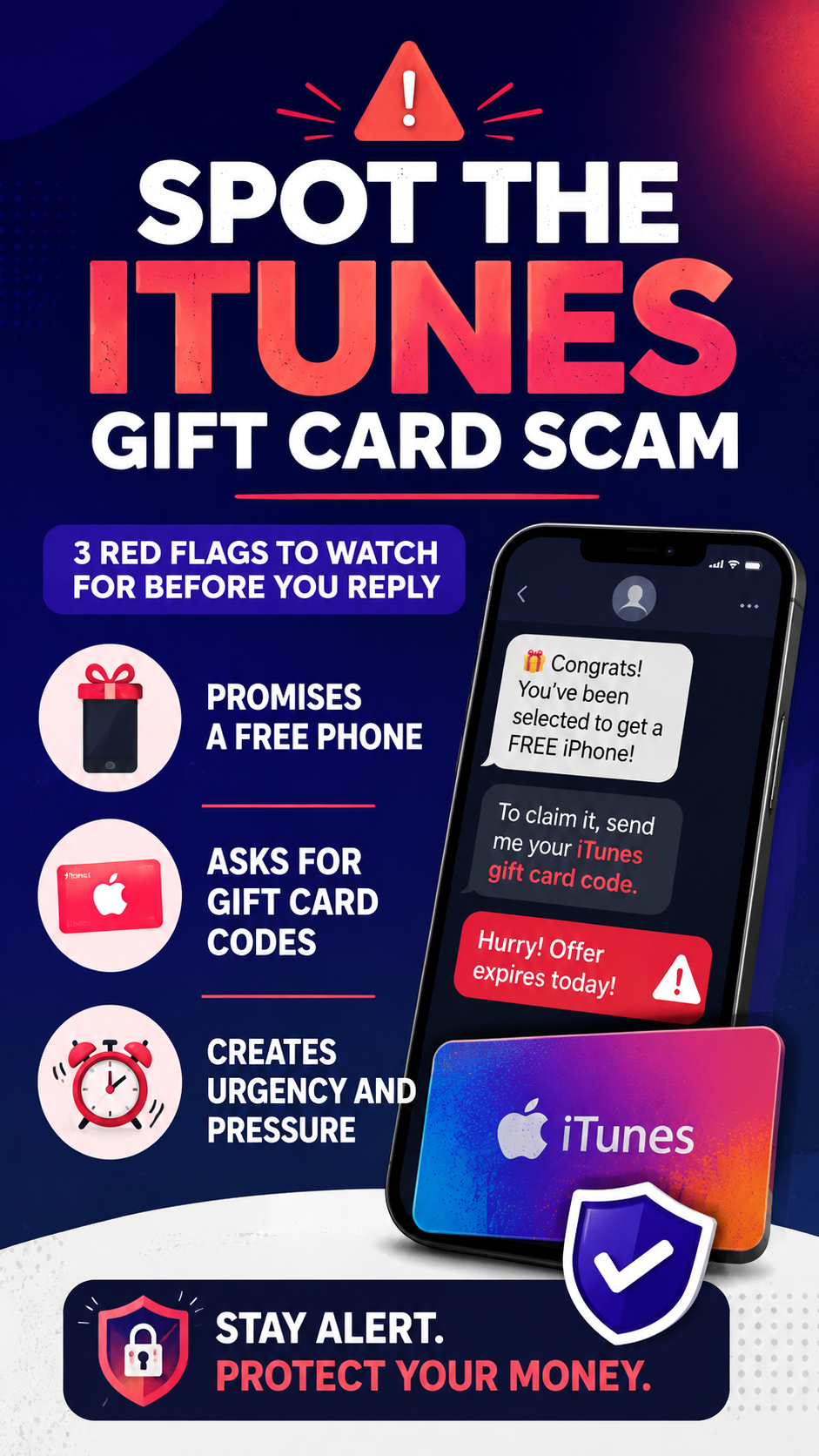
In today’s digital economy, understanding how to bill clients safely is just as important as delivering high-quality work. Many freelancers and small business owners encounter suspicious payment requests, especially those involving gift cards. These scams often disguise themselves as legitimate job opportunities or urgent client instructions, making it crucial to recognize warning signs early and adopt secure billing practices. This article explores how proper client billing works, how to avoid common scams, and how to protect your income in a fast-changing online environment.
Key Takeaways
- Gift card payments are a major red flag in client transactions
- Professional invoicing protects freelancers from fraud and disputes
- Scammers often use urgency and emotional pressure tactics
- Secure payment platforms reduce financial risk significantly
- Clear billing processes improve trust with real clients
Understanding Safe Client Billing in the Modern Economy
Client billing is more than just sending a request for payment. It is a structured process that ensures transparency, accountability, and financial safety for both parties. In legitimate business relationships, payments are processed through formal invoices, contracts, and verified platforms. When this structure is ignored and replaced with informal requests like gift cards or untraceable transfers, the risk of fraud increases dramatically.
Important: Real clients will never require gift cards as a payment method. This method is commonly used by scammers because it is untraceable and irreversible, making recovery nearly impossible once the transaction is completed.
Why Gift Card Requests Are a Major Scam Indicator
Gift card scams often appear in fake job offers, freelance opportunities, or urgent “client” communications. The message typically creates a sense of urgency, promising quick payments, exclusive deals, or immediate project approval. In reality, these are psychological tactics designed to bypass logical thinking.
Most legitimate businesses use traceable payment systems such as bank transfers, PayPal, Stripe, or invoicing software. The absence of these methods is one of the clearest signs that something is not right.
Why This Matters
Scammers rely on confusion and urgency. By recognizing their patterns early, freelancers can avoid financial loss and protect their professional reputation. Awareness is the strongest defense against digital fraud.
How Proper Invoicing Protects Freelancers
Professional invoicing is the backbone of safe client billing. A proper invoice includes clear details such as service description, payment terms, due dates, and accepted payment methods. This structure eliminates confusion and ensures both parties understand the transaction clearly.
Using invoicing tools also helps track payments, manage taxes, and maintain financial records. More importantly, it prevents clients from shifting payment methods mid-transaction, which is a common tactic used in scams.
Essential Elements of a Professional Invoice
- Business name and contact information
- Detailed breakdown of services provided
- Clear payment terms and deadlines
- Accepted payment methods (bank, PayPal, etc.)
- Invoice number for tracking
Common Red Flags in Client Payment Requests
Recognizing red flags is essential for avoiding fraudulent transactions. Many scams follow predictable patterns that can be identified early if you know what to look for.
Warning Signs to Watch
- Requests for gift cards instead of standard payments
- Urgent deadlines with emotional pressure
- Unverified or newly created client profiles
- Offers that seem too good to be true
- Refusal to use formal contracts or invoices
Pro Tip: If a client insists on unconventional payment methods, pause communication and verify their identity through official channels before proceeding.
Secure Payment Methods Every Freelancer Should Use
Using secure and widely recognized payment platforms significantly reduces the risk of fraud. These systems offer transaction tracking, dispute resolution, and buyer protection features that gift cards completely lack.
- PayPal Business
- Stripe Invoicing
- Bank transfers (ACH or SWIFT)
- Freelance platforms with escrow systems
Important: Always confirm that payments are received before delivering final work, especially for new clients. Escrow systems provide an added layer of protection by holding funds until project completion.
What to Do If a Client Asks for Gift Cards
If you receive a request for gift card payments, it is important to respond carefully. Do not engage in negotiation or compliance. Instead, clearly state your accepted payment methods and discontinue communication if the request continues.
Blocking or reporting suspicious contacts can help protect other freelancers from falling into the same trap. Most platforms also have reporting systems for fraudulent behavior.
Expert Insight on Billing Safety
Pro Tip: The safest freelance businesses operate with standardized contracts and consistent payment workflows. When your billing system is predictable and professional, scammers are far less likely to target you because they rely on confusion and inconsistency.
Quick Points Summary
- Always use formal invoices for client billing
- Avoid any request involving gift cards or crypto pressure
- Verify clients before starting work
- Use secure payment platforms with protection features
- Maintain clear communication and written agreements
Conclusion: Building a Safer Freelance Future
Safe client billing is not just about getting paid, it is about building a sustainable and trustworthy business. By recognizing scams, using professional invoicing systems, and relying on secure payment methods, freelancers can significantly reduce financial risks. Gift card scams are designed to exploit urgency and inexperience, but with the right knowledge, they become easy to identify and avoid.
Staying informed and maintaining strict billing standards ensures long-term success and financial security in any freelance or business environment.
Client Billing Freelance Safety Gift Card Scam Invoice Tips Online Security Payment Protection Scam Awareness