
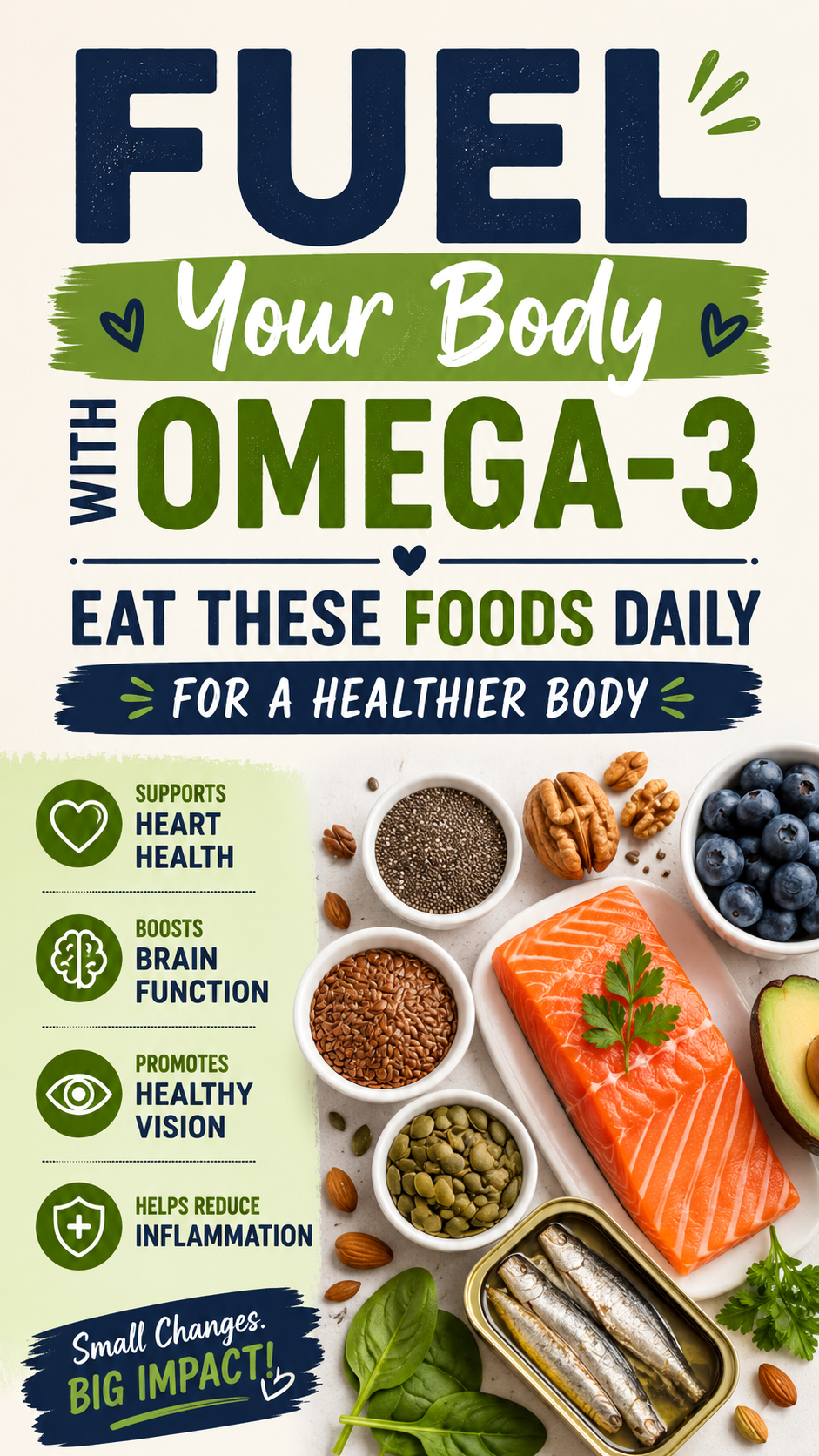
Omega-3 fatty acids have earned a reputation as some of the most important nutrients for overall wellness. Found in a variety of foods, these healthy fats play a major role in supporting heart health, brain function, eye health, and inflammation balance. If you are looking for a simple way to improve your daily nutrition, adding more omega-3-rich foods to your meals is one of the smartest places to start.
Many people focus on calories, protein, or carbohydrates while overlooking the quality of fats in their diet. Omega-3s are essential fats, meaning the body cannot produce them efficiently on its own. That makes food choices especially important. By including omega-3-rich foods regularly, you can support long-term health while enjoying delicious and satisfying meals.
Key Takeaways
- Omega-3 fatty acids support heart, brain, and eye health.
- Fatty fish are among the richest natural sources of omega-3s.
- Plant-based options like flaxseeds and chia seeds also provide valuable omega-3s.
- Consistent daily intake is more important than occasional large servings.
- Omega-3-rich foods fit easily into most healthy eating plans.
- Simple meal swaps can significantly improve nutrient quality.
Understanding Omega-3 Fatty Acids
Omega-3 fatty acids are a group of polyunsaturated fats that perform critical functions throughout the body. The three primary types are ALA (alpha-linolenic acid), EPA (eicosapentaenoic acid), and DHA (docosahexaenoic acid).
ALA is commonly found in plant foods such as flaxseeds, walnuts, and chia seeds. EPA and DHA are primarily found in marine sources, including fatty fish. While the body can convert some ALA into EPA and DHA, the conversion process is limited, which is why a variety of omega-3 sources is often recommended.
Important: Consuming omega-3-rich foods regularly may be more beneficial than relying on occasional high-intake days. Consistency helps ensure your body receives a steady supply of these essential nutrients.
Why Omega-3 Foods Matter for Everyday Health
Healthy fats often get overlooked, but omega-3 fatty acids contribute to several key areas of wellness. Their benefits extend far beyond heart health and can impact how you feel and function each day.
Heart Health Support
One of the most widely recognized benefits of omega-3s is their role in supporting cardiovascular health. A balanced diet that includes omega-3-rich foods can complement other healthy habits such as regular exercise and maintaining a nutritious eating pattern.
Brain Function and Mental Performance
DHA is a major structural component of the brain. Adequate intake may help support memory, concentration, and cognitive performance throughout life. Many nutrition experts emphasize the importance of omega-3s as part of a brain-friendly diet.
Eye Health Benefits
The eyes contain significant amounts of DHA, making omega-3 intake an important consideration for overall visual wellness. Combined with other nutrient-rich foods, omega-3 sources can support healthy vision as part of a balanced lifestyle.
Inflammation Balance
Inflammation is a natural response within the body, but diet can influence how effectively the body manages inflammatory processes. Omega-3 fatty acids are often included in dietary approaches designed to support overall wellness and recovery.
Top Omega-3 Foods to Eat Daily
Adding omega-3 foods to your routine does not require a complicated meal plan. Many nutritious options are easy to find and simple to prepare.
Salmon
Salmon is often considered one of the best sources of EPA and DHA. It is versatile, flavorful, and works well in everything from salads to grain bowls and dinner entrées.
- Rich in omega-3 fatty acids
- High-quality protein source
- Pairs well with vegetables and whole grains
Sardines
Sardines are small fish packed with nutrients. They provide omega-3 fats along with protein, calcium, and other important nutrients.
- Convenient and affordable
- Nutrient-dense option
- Easy addition to salads and sandwiches
Mackerel
Mackerel is another fatty fish known for its omega-3 content. It offers a rich flavor and can be grilled, baked, or incorporated into a variety of dishes.
Chia Seeds
For plant-based eaters, chia seeds are a popular choice. These tiny seeds are easy to sprinkle into yogurt, oatmeal, smoothies, and baked goods.
- Excellent source of ALA omega-3s
- Contains fiber
- Simple addition to everyday meals
Flaxseeds
Ground flaxseeds provide a concentrated source of ALA. They work particularly well in smoothies, oatmeal, homemade energy bites, and baked recipes.
Walnuts
Walnuts offer a convenient plant-based omega-3 source that requires no preparation. They can be enjoyed as a snack or incorporated into salads and breakfast dishes.
Why This Matters
- Small daily nutrition choices can have a significant long-term impact.
- Adding omega-3-rich foods often requires only minor adjustments to existing meals.
- A variety of animal and plant sources makes it easier to meet individual dietary preferences.
Simple Ways to Add More Omega-3s to Your Diet
One of the biggest misconceptions about healthy eating is that it requires major lifestyle changes. In reality, small consistent habits often produce the greatest results.
Upgrade Your Breakfast
Add chia seeds or ground flaxseeds to oatmeal, yogurt, or smoothies. This simple step can boost your omega-3 intake without changing the flavor significantly.
Choose Fatty Fish More Often
Including salmon, sardines, or mackerel in your weekly meal plan can help increase EPA and DHA intake naturally.
Snack Smarter
Replace processed snacks with a handful of walnuts. This simple switch provides healthy fats while helping satisfy hunger.
Pro Tip: Keep a container of chia seeds or ground flaxseed in your kitchen and add a spoonful to foods you already enjoy. Small habits are often easier to maintain than dramatic dietary overhauls.
Plant-Based vs. Marine Omega-3 Sources
Both plant-based and marine-based omega-3 foods can contribute to a healthy diet. Understanding the differences helps you create a balanced approach.
Plant Sources
- Chia seeds
- Flaxseeds
- Walnuts
- Hemp seeds
These foods provide ALA and are excellent options for vegetarians and vegans.
Marine Sources
- Salmon
- Sardines
- Mackerel
- Herring
These foods provide EPA and DHA directly, making them highly valuable components of an omega-3-rich eating plan.
Common Mistakes to Avoid
Even health-conscious individuals sometimes miss opportunities to improve their omega-3 intake.
Focusing Only on Supplements
Whole foods provide a combination of nutrients that work together. While supplements may have a role in some situations, nutrient-rich foods should remain a priority whenever possible.
Ignoring Plant Sources
Plant-based omega-3 foods can contribute meaningfully to overall intake and provide additional nutrients such as fiber and antioxidants.
Lack of Consistency
Eating omega-3-rich foods once in a while is helpful, but consistent intake is often the key to maintaining a nutrient-rich dietary pattern.
Important: Building a healthy diet does not require perfection. Regularly incorporating omega-3-rich foods into your meals is a practical and sustainable strategy for long-term wellness.
Creating an Omega-3-Friendly Meal Plan
A balanced day of eating can easily include multiple omega-3 sources.
Breakfast
- Greek yogurt with chia seeds and berries
- Oatmeal topped with walnuts and flaxseed
Lunch
- Salad topped with grilled salmon
- Whole grain wrap with sardines and vegetables
Dinner
- Baked mackerel with roasted vegetables
- Salmon with quinoa and leafy greens
Snacks
- Walnuts
- Trail mix containing seeds
- Smoothies with flaxseed
At a Glance
- Eat omega-3-rich foods consistently.
- Include both marine and plant-based sources.
- Add seeds and nuts to everyday meals.
- Choose fatty fish regularly when possible.
- Focus on long-term habits rather than quick fixes.
Conclusion
Fueling your body with omega-3-rich foods is one of the simplest and most effective ways to support overall wellness. Whether you choose salmon, sardines, chia seeds, flaxseeds, walnuts, or a combination of these nutritious options, each choice contributes to a healthier dietary pattern.
Rather than viewing nutrition as a series of complicated rules, think of omega-3 foods as practical additions to meals you already enjoy. Small changes made consistently can create meaningful benefits over time. By prioritizing these healthy fats, you can support heart health, brain function, and overall well-being while enjoying delicious and satisfying foods every day.
Tags
Omega-3 Foods Healthy Eating Heart Health Brain Health Nutrition Tips Superfoods Clean Eating Wellness