
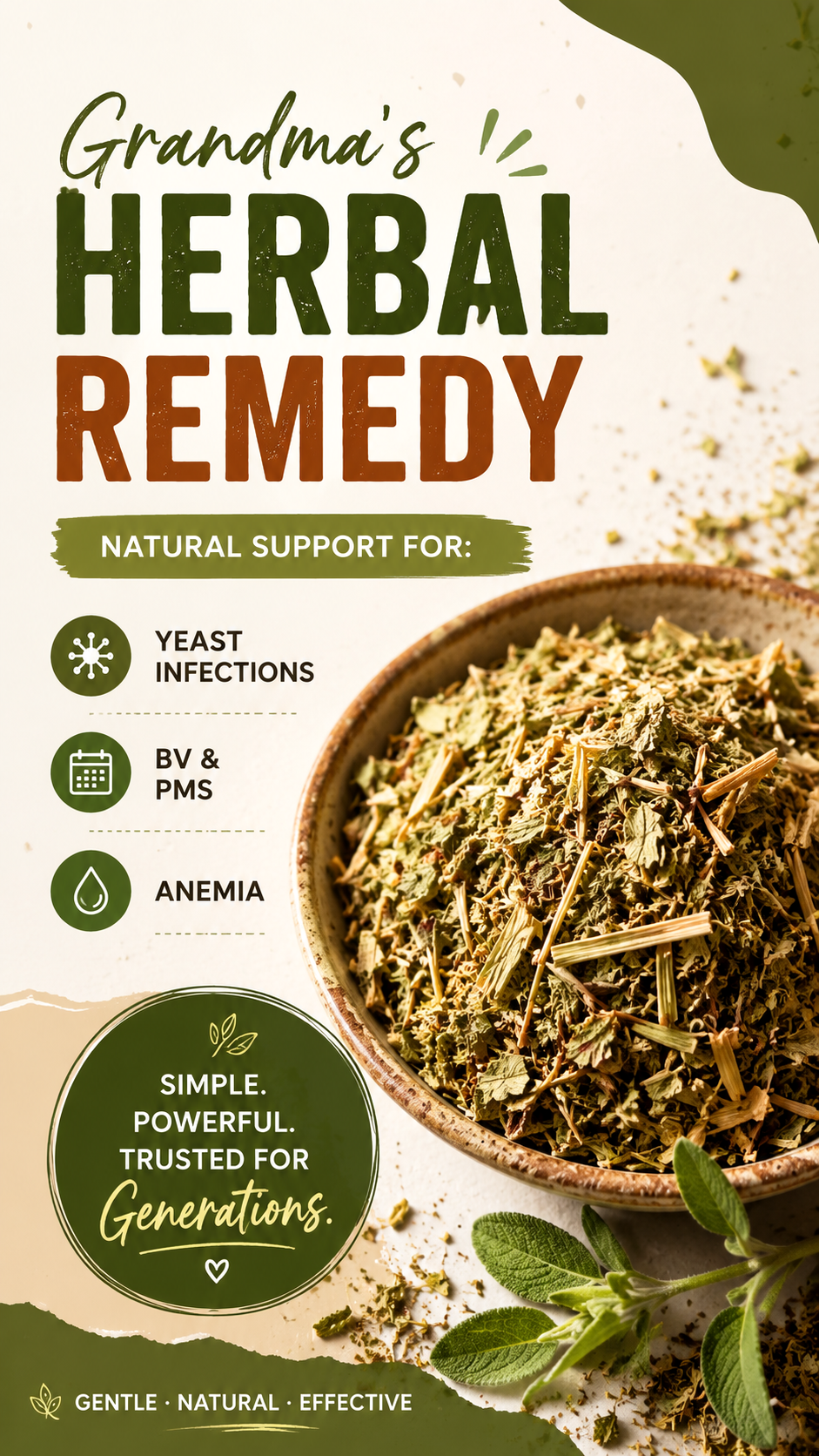
Herbal wellness has been part of traditional self-care for generations, and raspberry leaf remains one of the most talked-about herbs in natural living communities. Whether enjoyed as a soothing tea or included in a broader herbal routine, raspberry leaf is often appreciated for its rich nutrient profile and long history of traditional use. While many people associate it with women’s wellness, its appeal extends to anyone interested in simple, plant-based lifestyle habits that support overall well-being.
Natural remedies continue to attract attention because they encourage a slower, more mindful approach to health. Rather than promising instant results, herbs like raspberry leaf fit into daily wellness rituals that focus on consistency, balance, and self-care. Understanding what raspberry leaf is, how it has traditionally been used, and what current evidence suggests can help you make informed decisions before adding it to your routine.
Key Takeaways
- Raspberry leaf has been used in traditional herbal practices for centuries.
- It contains naturally occurring vitamins, minerals, and plant compounds.
- Many people enjoy raspberry leaf tea as part of a balanced wellness routine.
- Scientific evidence supports some traditional uses while other claims require more research.
- Always consult a qualified healthcare professional before using herbs for medical concerns.
What Is Raspberry Leaf?
Raspberry leaf comes from the leaves of the red raspberry plant rather than its fruit. After harvesting, the leaves are carefully dried and commonly prepared as an herbal tea. The resulting beverage has a mild, earthy flavor with subtle floral notes, making it a popular choice among herbal tea enthusiasts.
Unlike sweet raspberry fruit, the leaves contain unique plant compounds including tannins, flavonoids, and antioxidants. These naturally occurring substances contribute to the herb’s longstanding reputation in traditional herbal medicine.
Important: Traditional herbal use does not automatically mean a remedy has been scientifically proven for every claimed benefit. Understanding both historical practices and modern research provides a more balanced perspective.
A Brief History of Raspberry Leaf in Herbal Traditions
Herbal traditions around the world have valued raspberry leaf for generations. Midwives and herbal practitioners historically prepared raspberry leaf tea as part of general wellness routines, especially for women.
Historical herbal texts often describe raspberry leaf as a nourishing herb rather than a miracle cure. Families frequently passed recipes from one generation to the next, contributing to its reputation as a “grandmother’s remedy.”
Nutrients Found in Raspberry Leaf
One reason raspberry leaf remains popular is its naturally occurring nutrient content. Although herbal tea is not intended to replace a balanced diet, the leaves contain several beneficial compounds.
Natural Components
- Vitamin C
- Vitamin E
- Calcium
- Iron
- Magnesium
- Potassium
- Flavonoids
- Polyphenols
Many of these nutrients also occur in other leafy plants and contribute to overall wellness when consumed as part of a varied diet.
Expert Insight
Herbal teas work best as part of a healthy lifestyle that includes nutritious meals, adequate hydration, regular exercise, and quality sleep. They should complement healthy habits rather than replace medical care.
Traditional Uses of Raspberry Leaf
Throughout history, raspberry leaf has been associated with several traditional wellness practices. While these uses are deeply rooted in herbal traditions, not every claim has been confirmed through modern clinical research.
Women’s Wellness
Raspberry leaf is perhaps best known for its traditional association with women’s reproductive wellness. Many people drink raspberry leaf tea as part of their regular wellness routine, particularly during different stages of adulthood. However, anyone who is pregnant or managing reproductive health concerns should seek guidance from a healthcare professional before using herbal products.
General Wellness
Many herbal enthusiasts simply enjoy raspberry leaf as a caffeine-free herbal beverage that fits into a calming daily routine. Preparing a warm cup of herbal tea can encourage hydration, relaxation, and mindful breaks throughout the day.
What Does Science Say?
Modern researchers continue studying raspberry leaf and its plant compounds. Laboratory research suggests the leaves contain antioxidants that may help protect cells from oxidative stress. Some studies have also explored its traditional reproductive uses, although larger and more comprehensive clinical trials are still needed.
Pro Tip: Be cautious of online claims suggesting raspberry leaf can cure infections, anemia, or other medical conditions. Current scientific evidence does not support using raspberry leaf as a replacement for evidence-based medical treatment.
Can Raspberry Leaf Treat Yeast Infections, BV, PMS, or Anemia?
Social media often highlights raspberry leaf as a natural remedy for several health concerns. While these claims are widespread, it is important to separate traditional beliefs from established medical evidence.
Yeast Infections
There is currently no strong scientific evidence that raspberry leaf treats yeast infections. These infections typically require appropriate medical diagnosis and treatment.
Bacterial Vaginosis (BV)
Bacterial vaginosis has well-established medical treatments. Raspberry leaf should not be considered a substitute for professional medical care.
Premenstrual Syndrome (PMS)
Some people report feeling comforted by warm herbal tea during their menstrual cycle. While raspberry leaf has traditional associations with menstrual wellness, research remains limited regarding its effectiveness for PMS symptoms.
Anemia
Although raspberry leaf naturally contains small amounts of iron, it should not replace medically recommended iron therapy for diagnosed anemia. Anyone experiencing symptoms of anemia should seek evaluation from a healthcare provider.
How to Prepare Raspberry Leaf Tea
Making raspberry leaf tea is simple and requires only a few ingredients.
Ingredients
- 1 to 2 teaspoons dried raspberry leaves
- 1 cup freshly boiled water
- Optional honey or lemon
Preparation Steps
- Place dried raspberry leaves into a tea infuser or teapot.
- Pour hot water over the leaves.
- Steep for 5 to 10 minutes.
- Strain if necessary.
- Enjoy warm or chilled.
Who Should Be Careful?
Although herbal teas are generally well tolerated by many adults, certain individuals should exercise caution.
- People who are pregnant should seek professional medical advice before use.
- Individuals taking prescription medications should ask about possible interactions.
- Anyone with known allergies to related plants should proceed carefully.
- People managing chronic medical conditions should consult their healthcare provider.
Important: Natural does not always mean risk free. Herbs can interact with medications and may not be suitable for everyone.
Choosing Quality Raspberry Leaf
When shopping for raspberry leaf, choose products from reputable suppliers that clearly identify the botanical source and provide freshness information. Organic options may appeal to those who prefer herbs grown without certain synthetic pesticides, although quality processing and storage are equally important.
Simple Ways to Include Raspberry Leaf in Your Routine
- Enjoy a relaxing cup during your evening routine.
- Pair herbal tea with quiet reading or meditation.
- Create a calming self-care ritual on weekends.
- Rotate raspberry leaf with other caffeine-free herbal teas.
- Stay hydrated throughout the day with water as your primary beverage.
Quick Points
- Raspberry leaf has a long history in traditional herbal wellness.
- Modern research continues to explore its potential benefits.
- It is best enjoyed as part of a balanced lifestyle.
- Medical conditions should always be evaluated by qualified healthcare professionals.
Conclusion
Raspberry leaf remains one of the most recognized herbs in traditional wellness practices. Its mild flavor, natural nutrient content, and centuries of historical use make it an appealing choice for those interested in herbal tea and mindful self-care. At the same time, it is important to approach health claims with realistic expectations and rely on evidence-based medical advice for diagnosing or treating medical conditions.
By combining traditional herbal knowledge with modern scientific understanding, you can enjoy raspberry leaf as part of a balanced lifestyle while making informed decisions about your health. A warm cup of herbal tea can be a comforting ritual, but lasting wellness is built through healthy habits, proper nutrition, regular physical activity, and professional healthcare when needed.
Tags
Raspberry Leaf Herbal Tea Natural Wellness Women’s Wellness Herbal Remedies Holistic Living Healthy Lifestyle