
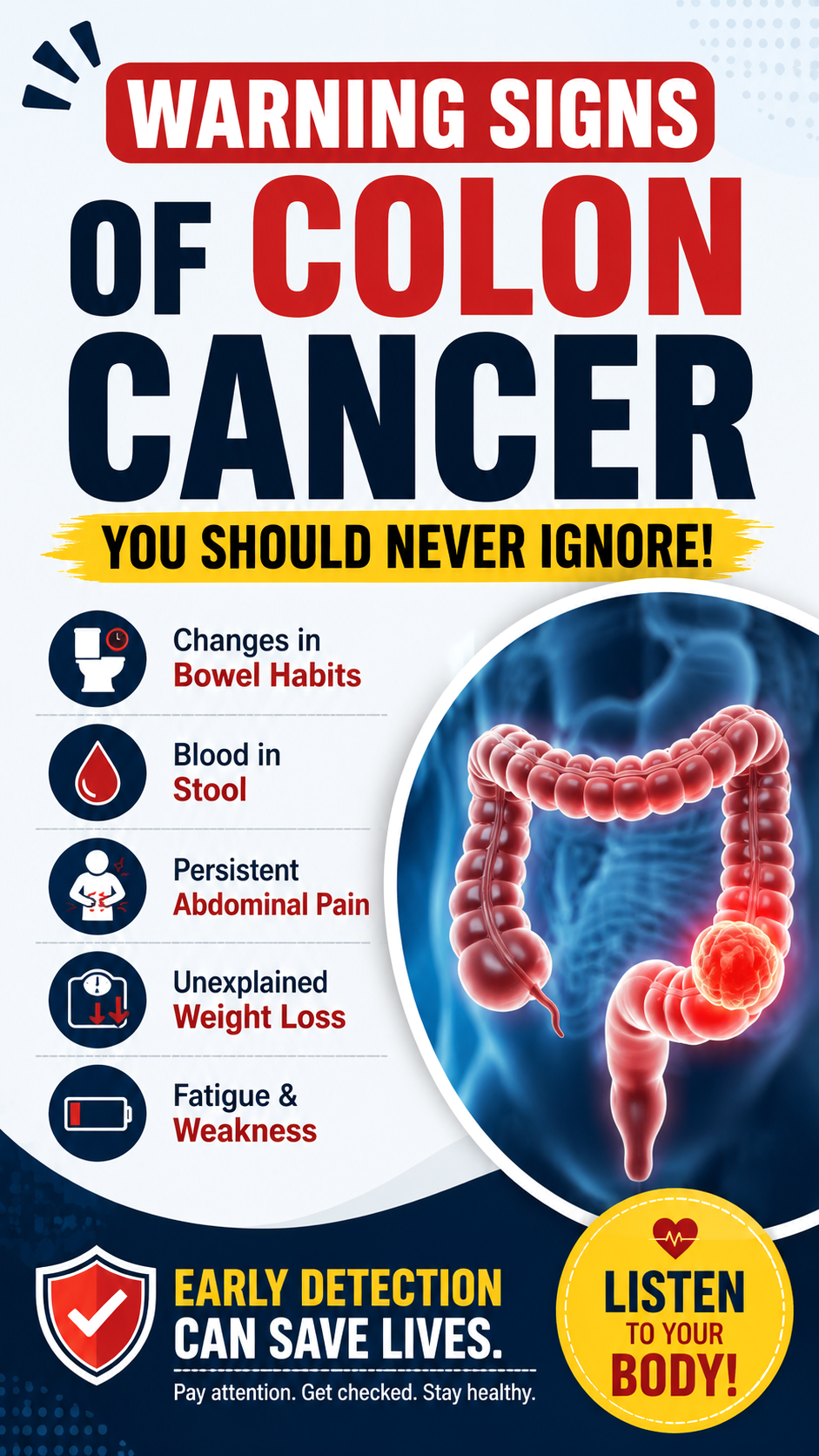
Colon cancer is one of the most common cancers worldwide, yet many people miss the early warning signs because they can appear subtle, ordinary, or easy to dismiss. A change in digestion, unusual bowel habits, or persistent abdominal discomfort may seem like minor issues at first, but paying attention to these symptoms can make a significant difference. The earlier colon cancer is detected, the more treatment options are typically available and the better the potential outcomes.
Understanding what your body is trying to tell you is an important part of protecting your long-term health. While not every digestive symptom points to cancer, persistent changes should never be ignored. Learning the warning signs can help you recognize when it is time to seek medical advice and take action.
Key Takeaways
- Colon cancer can develop with subtle symptoms that are easy to overlook.
- Changes in bowel habits are among the most common warning signs.
- Blood in the stool should always be discussed with a healthcare professional.
- Persistent abdominal discomfort may require further evaluation.
- Early detection often improves treatment options and outcomes.
- Regular screenings play a vital role in prevention and diagnosis.
Why Early Recognition Matters
Colon cancer often begins as small growths called polyps inside the colon or rectum. Over time, some of these polyps can develop into cancer. Because this process can occur gradually, symptoms may not appear immediately. This is one reason routine screening is so important, especially for adults who fall within recommended screening age groups or who have risk factors.
Unfortunately, many people wait until symptoms become severe before seeking medical attention. By that point, the disease may be more advanced. Recognizing potential warning signs early gives you the opportunity to discuss concerns with a healthcare provider and receive appropriate testing if necessary.
Important: Colon cancer symptoms do not always appear suddenly. Small, ongoing changes that persist for weeks or months can be just as important as dramatic symptoms.
Changes in Bowel Habits
One of the most frequently reported warning signs of colon cancer is a noticeable change in bowel habits. While occasional digestive changes happen to everyone, persistent alterations deserve attention.
These changes may include:
- Frequent diarrhea
- Persistent constipation
- Narrow or pencil-thin stools
- Alternating episodes of diarrhea and constipation
- A feeling that the bowel does not empty completely
The key factor is duration. A temporary change caused by diet, stress, or illness often resolves on its own. However, symptoms that continue for several weeks should be evaluated by a medical professional.
When Should You Be Concerned?
If you notice a significant shift from your normal digestive pattern and the change persists, it is worth discussing with your doctor. The goal is not to assume the worst but to identify potential causes and rule out serious conditions.
Blood in the Stool
Seeing blood in the stool can be alarming, and it should never be ignored. Blood may appear bright red, dark red, or even cause stools to look black and tarry depending on where bleeding occurs in the digestive tract.
While blood in the stool can result from several conditions, including hemorrhoids and other noncancerous issues, it is important to determine the underlying cause. Any unexplained bleeding warrants medical attention.
Some people may not notice visible blood at all. In certain cases, bleeding is microscopic and can only be detected through testing. This hidden blood can sometimes contribute to iron deficiency and anemia.
Why This Matters
- Not all bleeding is visible to the naked eye.
- Persistent bleeding may lead to fatigue and anemia.
- Prompt evaluation helps identify the cause and guide treatment.
Persistent Abdominal Discomfort
Ongoing abdominal discomfort can sometimes be associated with colon cancer. Many people describe symptoms such as:
- Cramping
- Bloating
- Gas pains
- Abdominal pressure
- General discomfort that does not improve
Digestive discomfort is common and often linked to harmless causes. However, when symptoms become chronic, worsen over time, or occur alongside other warning signs, further evaluation may be necessary.
Persistent symptoms should not be dismissed simply because they seem manageable. The body often provides clues when something is not functioning normally.
Unexplained Weight Loss
Weight loss without intentional changes to diet or exercise can sometimes signal an underlying health issue. When cancer develops, the body’s metabolism may change, and appetite may decrease. Some individuals lose weight without realizing it until clothes fit differently or others point it out.
Although unexplained weight loss can occur with many medical conditions, it should always be discussed with a healthcare provider, particularly if it is accompanied by digestive symptoms.
Pro Tip: Keeping track of your weight over time can help you identify subtle changes that might otherwise go unnoticed.
Persistent Fatigue and Weakness
Feeling tired after a long day is normal. However, ongoing fatigue that does not improve with rest may indicate an underlying issue. In some cases, chronic blood loss from the colon can contribute to anemia, which reduces the body’s ability to transport oxygen efficiently.
Symptoms associated with anemia may include:
- Persistent tiredness
- Weakness
- Dizziness
- Shortness of breath
- Pale skin
Because fatigue is such a common symptom, it is often overlooked. When it occurs alongside digestive changes, it becomes especially important to investigate further.
The Connection Between Fatigue and Colon Health
Even slow, unnoticed bleeding can affect iron levels over time. This gradual process may leave people feeling drained long before they recognize a digestive problem.
A Feeling of Incomplete Emptying
Another symptom sometimes associated with colon cancer is the sensation that a bowel movement is incomplete. Even after using the restroom, some individuals feel as though they still need to go.
This feeling can occur for many reasons, but persistent symptoms should not be ignored. When combined with changes in stool shape, bowel frequency, or rectal bleeding, it may warrant medical evaluation.
Who Is at Higher Risk?
While colon cancer can affect adults of various ages, certain factors may increase risk. Understanding these factors can help guide conversations about screening and prevention.
- Increasing age
- Family history of colon cancer
- Personal history of colon polyps
- Certain inherited genetic conditions
- Inflammatory bowel diseases
- Sedentary lifestyle
- Smoking
- Excessive alcohol consumption
- Obesity
Having one or more risk factors does not mean someone will develop colon cancer. Likewise, individuals without known risk factors can still be diagnosed. Awareness remains important for everyone.
Important: Many people diagnosed with colon cancer initially assume their symptoms are caused by stress, diet changes, or aging. Persistent symptoms deserve professional attention regardless of age.
The Importance of Screening
Screening remains one of the most effective tools for reducing colon cancer risk and improving early detection. Unlike many diseases that can only be identified after symptoms appear, colon cancer can sometimes be detected before symptoms develop.
Healthcare providers may recommend different screening methods depending on age, medical history, and individual risk factors. Common options include stool-based tests and colonoscopy procedures.
Regular screening can help identify precancerous polyps that can be removed before they become cancerous. This preventive aspect makes screening especially valuable.
Talking With Your Healthcare Provider
If you are unsure when screening should begin, discuss your personal and family medical history with a qualified healthcare professional. Screening recommendations may vary depending on individual circumstances.
Healthy Habits That Support Colon Health
While no lifestyle choice can guarantee prevention, certain habits may support overall colon health and contribute to long-term wellness.
- Eat a balanced diet rich in fruits and vegetables.
- Include fiber-rich foods regularly.
- Stay physically active.
- Maintain a healthy weight.
- Avoid tobacco products.
- Limit excessive alcohol consumption.
- Stay hydrated throughout the day.
- Follow recommended screening guidelines.
Small, consistent lifestyle improvements often have a greater impact than dramatic short-term changes. Focusing on sustainable habits can benefit both digestive health and overall well-being.
Common Myths About Colon Cancer Symptoms
Myth: Colon Cancer Always Causes Severe Pain
Many people believe cancer always produces intense pain. In reality, early colon cancer may cause mild symptoms or no symptoms at all.
Myth: Only Older Adults Need to Worry
Although risk generally increases with age, awareness remains important for adults of all ages. Persistent symptoms should not be ignored simply because someone is younger.
Myth: Blood in the Stool Is Always Hemorrhoids
While hemorrhoids are a common cause of rectal bleeding, other conditions can also be responsible. Accurate diagnosis is essential.
At a Glance
- Watch for persistent changes in bowel habits.
- Never ignore blood in the stool.
- Ongoing abdominal discomfort deserves attention.
- Unexplained fatigue and weight loss may be warning signs.
- Routine screening remains one of the best preventive tools.
Conclusion
Recognizing the warning signs of colon cancer is an important step toward protecting your health. Symptoms such as changes in bowel habits, blood in the stool, persistent abdominal discomfort, unexplained weight loss, and ongoing fatigue should not be ignored when they persist or worsen over time.
Although many digestive symptoms can have noncancerous causes, early evaluation provides clarity and peace of mind. The combination of symptom awareness, healthy lifestyle habits, and recommended screening can play a powerful role in early detection and prevention.
Staying informed allows you to make proactive decisions about your health. If something feels unusual or different from your normal routine, trust your instincts and seek medical guidance. Paying attention today may make a meaningful difference tomorrow.
Tags
Colon Cancer Colon Cancer Symptoms Cancer Awareness Early Detection Digestive Health Preventive Health Health Screening Wellness