
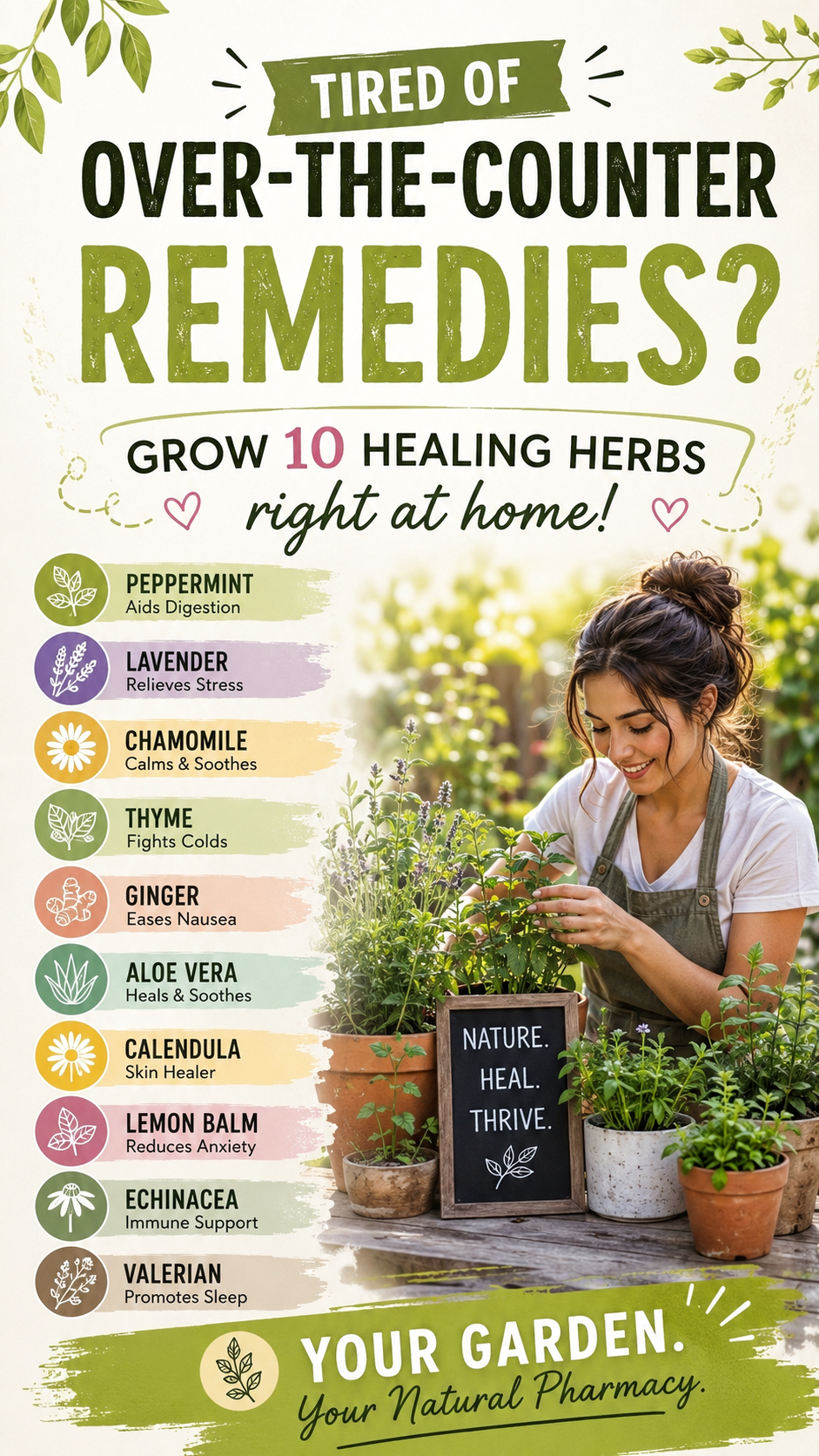
There is growing interest in turning ordinary backyards into productive spaces that support both cooking and everyday wellness. A medicinal herb garden is one of the easiest and most rewarding ways to achieve that goal. Instead of relying solely on store-bought herbs or dried blends, you can cultivate fresh plants that add fragrance, beauty, and versatility to your outdoor space. Whether you have a spacious backyard or a few raised beds, growing healing herbs offers a practical hobby that connects you with nature while providing fresh ingredients for teas, homemade skincare, and flavorful meals.
Many herbs are surprisingly easy to grow, even for beginners. With a little planning, the right location, and consistent care, you can create a thriving garden filled with plants that have been valued for generations. This guide walks you through the basics of starting your own medicinal herb garden, highlights popular herbs worth growing, and shares practical tips to help your plants flourish throughout the seasons.
Key Takeaways
- Choose beginner-friendly medicinal herbs that match your local climate.
- Provide plenty of sunlight and well-draining soil for healthy growth.
- Harvest herbs regularly to encourage fuller, more productive plants.
- Many herbs serve both culinary and traditional wellness purposes.
- A small garden can provide fresh herbs throughout much of the growing season.
Why Grow a Medicinal Herb Garden?
A medicinal herb garden is more than a collection of attractive plants. It becomes a living resource that supplies fresh ingredients for herbal teas, aromatic cooking, natural skincare projects, and homemade infusions. Growing your own herbs also gives you greater control over how your plants are cared for, allowing you to avoid unnecessary pesticides while harvesting herbs at their freshest.
Important: Growing medicinal herbs is a wonderful way to support a healthy lifestyle, but herbs should not replace professional medical care. Always research safe preparation methods and consult a qualified healthcare professional before using herbs for therapeutic purposes, especially if you are pregnant, nursing, taking medications, or managing a medical condition.
Beyond their practical uses, herb gardens attract beneficial insects, improve biodiversity, and create peaceful outdoor spaces. The scent of lavender, peppermint, lemon balm, and thyme can transform a simple garden into a relaxing retreat.
Choosing the Best Location
Most medicinal herbs thrive in locations that receive at least six hours of direct sunlight each day. Select an area with loose, well-draining soil and adequate air circulation. Raised beds and large containers are also excellent choices, especially if your native soil drains poorly.
Essential Growing Conditions
- Full sun for most herbs.
- Well-drained soil enriched with compost.
- Moderate watering without overwatering.
- Regular harvesting to encourage new growth.
- Mulch to help retain moisture and reduce weeds.
10 Popular Healing Herbs Worth Growing
1. Peppermint
Peppermint is one of the easiest herbs to grow and is widely appreciated for its refreshing aroma. Fresh leaves are commonly used in teas and culinary recipes. Since peppermint spreads aggressively, growing it in containers is often the best option.
2. Lavender
Lavender produces beautiful purple blooms and a calming fragrance that makes it a favorite for ornamental gardens. The flowers can be dried for sachets, decorative arrangements, or herbal tea blends.
3. Chamomile
Known for its delicate daisy-like flowers, chamomile is commonly grown for herbal teas. It prefers full sun and blooms generously throughout the growing season.
4. Thyme
Thyme is both a flavorful culinary herb and an attractive ground cover. It thrives in dry conditions and requires very little maintenance once established.
5. Ginger
In warmer climates or containers, ginger can be grown from fresh rhizomes. It prefers rich soil, partial shade, and consistent moisture.
Expert Insight
One of the biggest mistakes new gardeners make is planting too many herbs at once. Begin with five or six reliable varieties, learn their growing habits, and expand your garden gradually as your confidence grows.
6. Aloe Vera
Aloe vera is a low-maintenance succulent that grows well in containers. It prefers bright light and infrequent watering, making it ideal for sunny patios.
7. Calendula
Calendula produces vibrant orange and yellow flowers that brighten any garden. It attracts pollinators while providing edible petals that are often used in herbal preparations.
8. Lemon Balm
Lemon balm has a pleasant citrus fragrance and grows vigorously under a wide range of conditions. Regular pruning helps prevent it from spreading excessively.
9. Echinacea
Echinacea adds striking pink-purple flowers to the garden while attracting butterflies and bees. It is drought tolerant once established and blooms for much of the summer.
10. Valerian
Valerian grows tall with clusters of delicate flowers. It enjoys moist soil and is a beautiful addition to cottage-style herb gardens.
Pro Tip: Harvest herbs during the morning after the dew has dried but before the afternoon heat arrives. Essential oils are often at their peak during this time, resulting in stronger fragrance and flavor.
Planning Your Herb Garden Layout
Arrange herbs according to their mature size and water requirements. Place taller plants toward the back of garden beds and allow adequate spacing to improve airflow. Group herbs with similar growing needs together to simplify watering and maintenance.
- Plant mint in containers.
- Keep drought-tolerant herbs together.
- Leave walking paths for easy harvesting.
- Add labels to identify each herb.
Soil Preparation and Watering Tips
Healthy soil is the foundation of every successful herb garden. Mix compost into planting areas before planting, and avoid excessive fertilizer since many herbs produce stronger aromas when grown in moderately fertile soil.
Water deeply but less frequently to encourage deep root development. Check the soil before watering, as consistently wet roots can lead to disease in many herb varieties.
Harvesting Herbs the Right Way
Regular harvesting encourages fuller plants and prevents many herbs from becoming woody. Use clean scissors or pruning snips, removing only a portion of each plant at a time. Never harvest more than one-third of the plant during a single session.
Fresh herbs can be used immediately or preserved by drying, freezing, or infusing them into oils according to safe food preparation practices.
Important: Correct identification is essential before harvesting or using any plant. Some ornamental species resemble edible herbs, so always verify each plant before consumption.
Seasonal Maintenance
Throughout the growing season, remove spent flowers, prune damaged stems, monitor for pests, and replenish mulch as needed. During colder months, protect tender herbs or move container plants indoors if your climate experiences frost.
Creating a Sustainable Garden
Adding flowering herbs encourages bees, butterflies, and other beneficial pollinators. Compost kitchen scraps, collect rainwater where permitted, and avoid unnecessary chemicals to create a healthier ecosystem that benefits both your garden and local wildlife.
At a Glance
- Choose sunny locations with well-draining soil.
- Start with beginner-friendly herbs.
- Harvest regularly for healthier plants.
- Label herbs and group plants with similar needs.
- Expand your garden one season at a time.
Conclusion
Building a medicinal herb garden is one of the most satisfying gardening projects for beginners and experienced growers alike. It combines beauty, practicality, and sustainability while providing fresh herbs for cooking, teas, and traditional herbal preparations. By selecting the right plants, preparing healthy soil, and maintaining a simple care routine, you can create a thriving garden that continues to reward you season after season. Start small, enjoy the learning process, and let your herb garden grow into a beautiful outdoor space filled with fragrance, color, and purpose.
Tags
Medicinal Herbs Herb Garden Healing Plants Organic Gardening Backyard Garden Natural Living Gardening Tips Beginner Gardening