
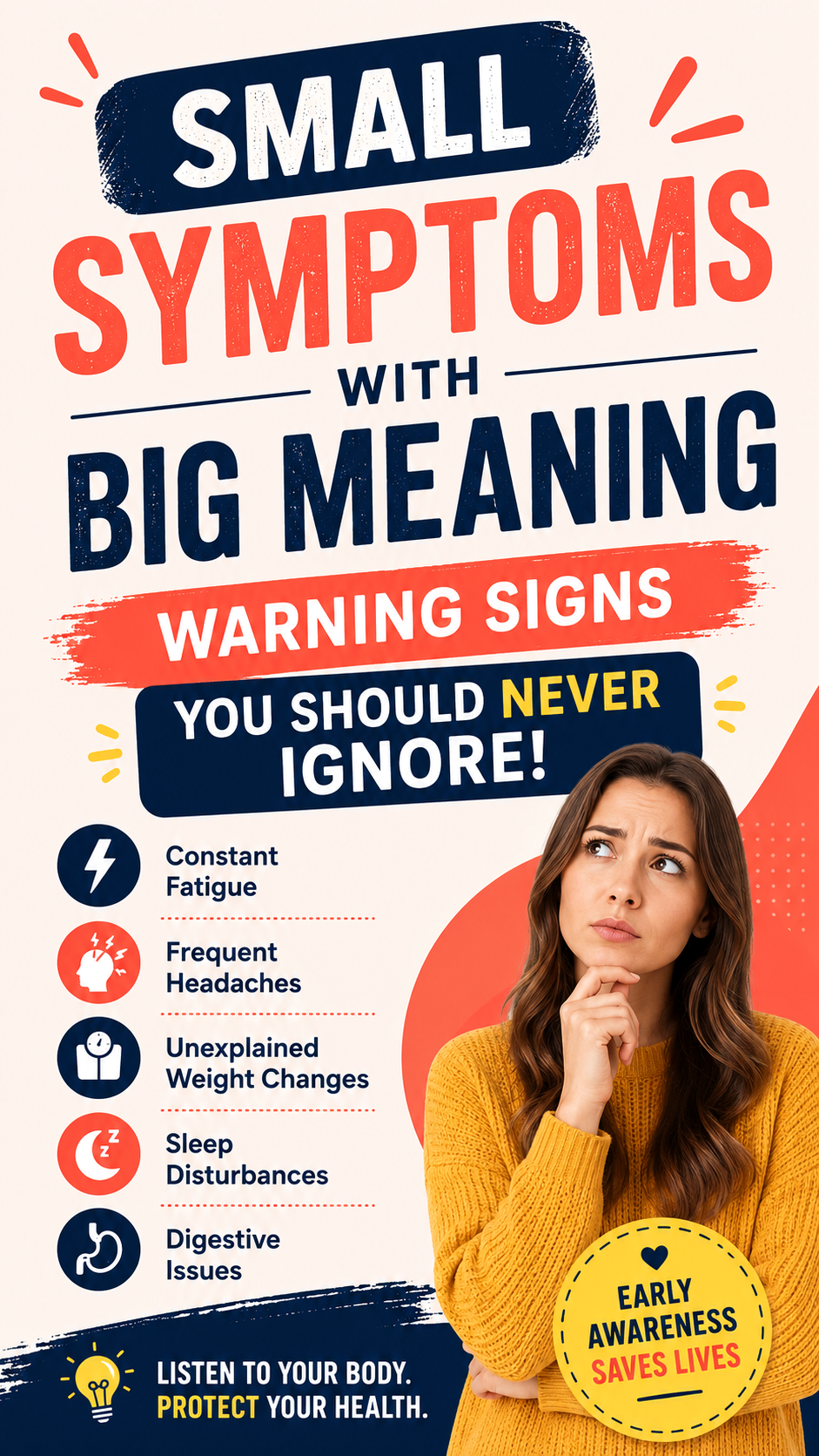
Many serious health conditions do not begin with dramatic symptoms. Instead, they often start with small changes that are easy to dismiss. A lingering cough, unusual fatigue, persistent headaches, or subtle changes in the skin can seem harmless at first. However, these minor symptoms can sometimes serve as important warning signs that the body needs attention.
Understanding the difference between everyday discomfort and potentially significant health concerns is an important part of maintaining long-term wellness. While not every symptom indicates a serious problem, learning to recognize patterns and warning signs can help you make informed decisions about your health and seek medical guidance when necessary.
Key Takeaways
- Small symptoms can sometimes indicate larger underlying health issues.
- Persistent or worsening symptoms should never be ignored.
- Early detection often improves treatment outcomes.
- Keeping track of symptom patterns can be valuable.
- Regular medical checkups remain an essential part of preventive care.
- Knowing your body’s normal baseline helps identify unusual changes.
Why Minor Symptoms Deserve Attention
Many people delay seeking medical advice because a symptom seems too small to matter. Unfortunately, this approach can allow certain conditions to progress unnoticed. The human body often sends subtle signals before a problem becomes more serious.
For example, persistent fatigue may simply result from stress or poor sleep. However, it can also be associated with nutritional deficiencies, thyroid disorders, chronic infections, or other health concerns. The key is not to panic but to remain observant.
Important: Symptoms that persist, worsen over time, or interfere with daily life deserve professional evaluation, even when they initially appear minor.
Health awareness is not about expecting the worst. It is about understanding that prevention and early detection can make a meaningful difference.
Common Small Symptoms That Should Not Be Ignored
Persistent Fatigue
Feeling tired after a busy week is normal. Constant exhaustion that continues despite adequate rest is not. Ongoing fatigue can affect concentration, mood, productivity, and overall quality of life.
Potential causes may include:
- Sleep disorders
- Iron deficiency
- Vitamin deficiencies
- Hormonal imbalances
- Chronic medical conditions
- Mental health concerns
If fatigue continues for weeks without a clear explanation, discussing it with a healthcare provider is a wise step.
Frequent Headaches
Occasional headaches are common. However, headaches that become more frequent, severe, or different from your usual pattern may require attention.
Keeping a symptom journal can help identify triggers such as dehydration, stress, sleep changes, dietary factors, or environmental influences. This information can also assist healthcare professionals in determining the cause.
Unexplained Weight Changes
Unexpected weight gain or weight loss without significant lifestyle changes should not be overlooked. Weight fluctuations can sometimes reflect metabolic, hormonal, digestive, or other underlying health concerns.
Monitoring trends over time provides a clearer picture than focusing on short-term changes.
Changes in Skin Appearance
Your skin often reflects what’s happening inside your body. New moles, unusual discoloration, persistent rashes, or wounds that do not heal properly deserve evaluation.
Regular self-checks can help you notice changes early. If something appears unusual or continues to evolve, seeking professional guidance is recommended.
Why This Matters
- Many conditions are easier to manage when detected early.
- Tracking symptoms can provide valuable clues for diagnosis.
- Small changes often become clearer when viewed as part of a larger pattern.
Listening to Your Body’s Signals
Your body communicates through symptoms, sensations, and changes in normal function. While occasional discomfort is a normal part of life, persistent changes should not be automatically dismissed.
Learning what is normal for you makes it easier to recognize when something feels different. This awareness creates an opportunity to address potential concerns before they become more complicated.
Pay attention to:
- Changes in energy levels
- New pain or discomfort
- Appetite fluctuations
- Sleep disturbances
- Digestive changes
- Breathing difficulties
- Mood and cognitive changes
Recognizing these patterns does not mean self-diagnosing. Instead, it helps you provide accurate information when consulting a healthcare professional.
The Role of Early Detection
One of the most important reasons to take warning signs seriously is the potential benefit of early detection. Many health conditions are easier to manage when identified during their initial stages.
Routine screenings, annual checkups, and prompt evaluation of unusual symptoms can support better long-term outcomes.
Pro Tip: Keep a simple health journal that records symptoms, duration, severity, and possible triggers. This habit can provide valuable insights during medical appointments.
Even when symptoms turn out to be harmless, obtaining reassurance can reduce stress and provide peace of mind.
Warning Signs That Warrant Prompt Medical Attention
Some symptoms require more immediate evaluation than others. While individual circumstances vary, certain warning signs should never be ignored.
- Sudden chest pain
- Difficulty breathing
- Loss of consciousness
- Sudden weakness or numbness
- Severe unexplained pain
- Persistent high fever
- Significant bleeding
- Confusion or altered mental status
These symptoms can indicate potentially serious conditions and may require urgent medical care.
How Lifestyle Factors Can Influence Symptoms
Not every symptom is linked to disease. Lifestyle habits frequently influence how we feel on a daily basis. Sleep quality, hydration, physical activity, nutrition, stress management, and environmental factors all contribute to overall wellness.
For example:
- Dehydration can trigger headaches and fatigue.
- Poor sleep can affect concentration and mood.
- High stress levels can contribute to digestive discomfort.
- Nutritional deficiencies may impact energy and immune function.
Addressing these areas can sometimes reduce symptoms significantly while improving overall health.
Building Healthy Habits
Small improvements often create meaningful results over time. Consider focusing on:
- Consistent sleep schedules
- Balanced nutrition
- Regular physical activity
- Adequate hydration
- Stress reduction techniques
- Routine medical checkups
These habits support wellness while helping you better recognize symptoms that fall outside your normal experience.
When Monitoring Is Appropriate
Not every symptom requires immediate medical intervention. In some cases, monitoring a mild symptom for a short period may be reasonable. The key is paying attention to duration, frequency, and progression.
Questions to consider include:
- Has the symptom lasted longer than expected?
- Is it becoming more severe?
- Is it affecting daily activities?
- Has it appeared repeatedly?
- Are other symptoms developing alongside it?
Answering these questions can help determine whether further evaluation may be beneficial.
Important: Trust your instincts. If something feels unusual or concerning, seeking professional medical advice is often the safest approach.
Creating a Personal Health Awareness Mindset
Health awareness is not about fear. It is about staying informed and proactive. Understanding common warning signs helps you make educated decisions without becoming overwhelmed.
A balanced approach includes paying attention to symptoms, maintaining healthy habits, attending routine checkups, and consulting healthcare professionals when needed.
The goal is not to interpret every ache or discomfort as a serious problem. Instead, it is to recognize patterns, identify meaningful changes, and respond appropriately.
At a Glance
- Small symptoms can sometimes reveal larger health concerns.
- Persistent or worsening symptoms deserve attention.
- Early detection supports better outcomes.
- Healthy lifestyle habits can reduce many common complaints.
- Professional medical guidance remains essential when concerns arise.
Conclusion
Small symptoms with big meaning are often the body’s way of asking for attention. While many minor issues have simple explanations, others can serve as early indicators of conditions that benefit from timely evaluation. By staying aware of changes in your body, tracking persistent symptoms, and seeking medical guidance when appropriate, you can take a more proactive approach to your health.
Awareness, observation, and timely action form the foundation of preventive care. The next time a symptom seems insignificant, take a moment to consider whether it might be worth a closer look. Listening to your body today could make an important difference tomorrow.
Tags
Health Awareness Warning Signs Preventive Care Healthy Living Symptoms Wellness Tips Early Detection Healthcare