
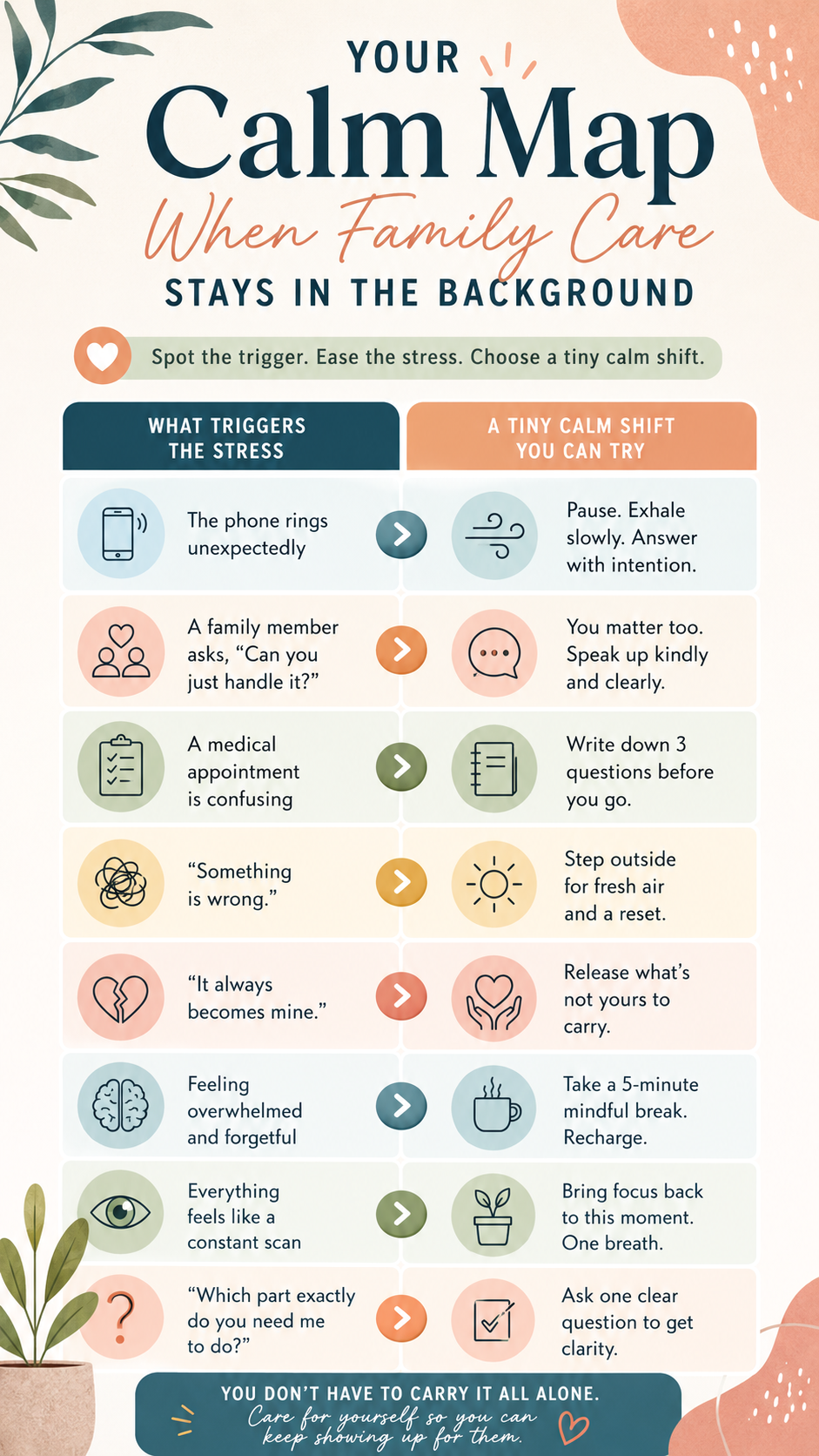
Caring for a loved one is one of the most meaningful responsibilities a person can take on. It is also one of the most emotionally demanding. Many family caregivers quietly balance appointments, medications, emotional support, household tasks, and countless unexpected challenges while trying to maintain their own careers, relationships, and personal well-being. Over time, these ongoing responsibilities can create chronic stress that slowly builds into emotional exhaustion.
One of the most effective ways to protect your mental health is learning to recognize common caregiving stress triggers before they become overwhelming. Instead of waiting until burnout appears, you can identify situations that activate stress, understand why your mind and body react the way they do, and make small, intentional adjustments that restore calm.
Key Takeaways
- Recognize everyday caregiving situations that commonly trigger stress.
- Understand how your nervous system responds under pressure.
- Practice small calming habits instead of waiting for major burnout.
- Reduce mental overload with simple organization techniques.
- Create healthier boundaries while continuing to support your loved one.
Why Family Caregivers Experience So Much Stress
Unlike many jobs, caregiving rarely has predictable hours or clear boundaries. A phone call can interrupt dinner, a medical update can change the day’s plans, or a loved one’s health may suddenly require immediate attention. This constant uncertainty keeps the brain alert for potential problems.
When stressful situations happen repeatedly, the nervous system begins treating ordinary events as possible emergencies. Even small interruptions may trigger anxiety, racing thoughts, or physical tension. This is not a sign of weakness. It is a natural response to prolonged responsibility.
Important: Burnout rarely happens overnight. It usually develops through hundreds of small moments of accumulated stress. Recognizing those moments early gives you the opportunity to interrupt the cycle before exhaustion becomes overwhelming.
Recognizing Common Caregiving Triggers
Many caregivers share similar experiences that instantly increase stress levels. Becoming aware of these situations makes it easier to respond thoughtfully instead of automatically.
Unexpected Phone Calls
An unexpected phone call often creates an immediate feeling that something has gone wrong. Your brain quickly shifts into problem-solving mode before you even answer.
- Pause before picking up.
- Take one slow breath.
- Remind yourself that not every call brings bad news.
- Respond calmly instead of reacting instantly.
Being Asked to Handle Everything
Many family caregivers hear phrases like, “Can you take care of it?” While often well intentioned, these requests can create feelings of isolation and resentment when responsibilities continue piling onto one person.
Instead of automatically saying yes, ask specific questions.
- What exactly needs to be done?
- Can someone else help with part of the task?
- Is this urgent or can it wait?
Clarifying expectations helps distribute responsibilities more fairly while preventing unnecessary stress.
Confusing Medical Information
Healthcare appointments often involve complex instructions, unfamiliar terminology, and multiple follow-up tasks. Trying to remember every detail mentally increases cognitive overload.
Keeping a shared notebook, digital document, or caregiving planner helps organize important information. Writing things down reduces memory pressure and gives everyone involved access to the same details.
Expert Insight
Your brain works best when it does not have to store every appointment, medication, and reminder. External systems like calendars, notes, and shared documents reduce decision fatigue and free mental energy for meaningful caregiving.
Understanding Your Nervous System
Stress is more than an emotional experience. It affects the entire body. Increased heart rate, muscle tension, racing thoughts, and difficulty concentrating are all common signs that your nervous system is working overtime.
Learning to recognize these reactions helps you respond with self-awareness instead of self-criticism.
Hypervigilance
Many caregivers become constantly alert for signs that something might be wrong. While awareness is valuable, continuous monitoring can become mentally exhausting.
Try separating observation from interpretation. Notice what actually happened before assuming the worst. This small pause creates space for clearer thinking.
Mental Overload
Keeping track of medications, appointments, insurance paperwork, shopping lists, family updates, and household responsibilities can overwhelm even the most organized person.
- Create daily priority lists.
- Group similar tasks together.
- Use reminders instead of relying on memory.
- Review tomorrow’s schedule the night before.
Pro Tip: Small organizational habits save far more energy than they require. Spending five minutes planning your day can eliminate hours of unnecessary stress later.
Small Calm Shifts That Make a Big Difference
You do not always need an hour of meditation or a weekend getaway to feel better. Tiny actions repeated consistently often have a greater long-term impact.
Practice Intentional Breathing
Taking one slow breath before answering the phone or responding to stressful news helps interrupt automatic reactions.
Write Before You Worry
If something seems concerning, write down exactly what you observed before jumping to conclusions. This encourages objective thinking and makes conversations with healthcare professionals more productive.
Ask Clear Questions
When someone requests help, ask for specifics. Clear communication prevents misunderstandings while reducing emotional pressure.
Take Short Recovery Breaks
A five-minute walk, stretching session, or quiet cup of tea can help reset your nervous system throughout the day.
Preventing Caregiver Burnout Before It Starts
Burnout prevention begins long before complete exhaustion appears. Healthy routines protect both caregivers and the people they support.
- Sleep consistently whenever possible.
- Accept help without guilt.
- Schedule personal time each week.
- Stay connected with supportive friends or family.
- Celebrate small caregiving successes.
- Recognize when you need additional support.
Important: Caring for yourself is not selfish. Maintaining your physical and emotional health improves your ability to provide thoughtful, compassionate care over the long term.
Building Sustainable Caregiving Habits
Healthy caregiving is not about doing everything perfectly. It is about creating routines that remain realistic even during difficult weeks.
Consider developing habits like weekly medication reviews, shared family calendars, meal planning, regular exercise, and scheduled moments for relaxation. Small systems reduce decision fatigue while increasing confidence.
Remember that consistency matters more than perfection. Even tiny improvements can significantly reduce stress over time.
Why This Matters
- Small daily habits protect long-term emotional health.
- Organization reduces unnecessary mental overload.
- Healthy boundaries improve care for everyone involved.
Creating Your Personal Calm Map
Every caregiver experiences different stress triggers. Creating your own calm map helps identify what consistently increases pressure and which calming strategies work best for you.
Start by writing down three common situations that cause stress. Next to each one, add one practical action you can take within two minutes. These tiny responses become your personal toolkit for managing difficult moments.
Over time, these intentional choices help build resilience while making everyday caregiving feel more manageable.
At a Glance
- Recognize stress before it becomes burnout.
- Organize information to reduce mental overload.
- Use small calming habits throughout the day.
- Communicate clear boundaries and expectations.
- Protect your own well-being while caring for others.
Conclusion
Family caregiving is filled with moments of compassion, patience, and quiet strength. While the responsibilities can feel overwhelming, recognizing common stress triggers and responding with simple calming strategies can transform your daily experience. Every mindful breath, organized checklist, honest conversation, and healthy boundary contributes to a more sustainable caregiving journey.
You do not have to eliminate every challenge to feel more at peace. By understanding how stress develops and practicing small, consistent shifts, you create a healthier environment for both yourself and the person you care for. The calm you build today becomes the foundation for resilient caregiving tomorrow.
Tags
Family Caregiver Caregiver Burnout Stress Management Self Care Mental Wellness Mindfulness Emotional Health Caregiving Tips