
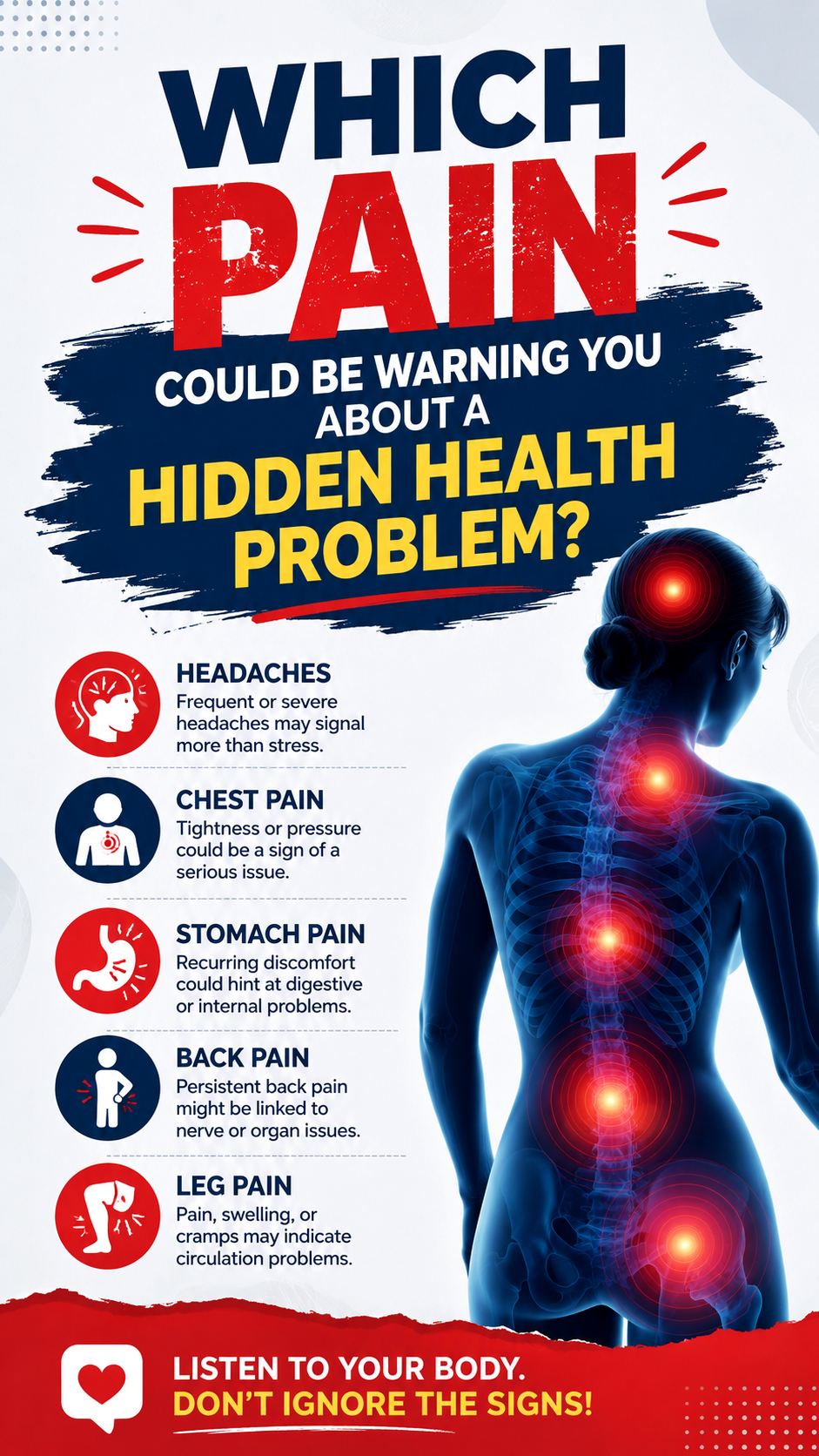
Pain is one of the body’s clearest ways of asking for attention. Sometimes it is easy to explain, like sore muscles after a workout or a headache after a stressful day. Other times, pain appears suddenly, keeps returning, moves to a different area, or feels stronger than expected. When that happens, it may be more than a passing discomfort. It could be a warning sign that something deeper is going on inside the body.
The topic of hidden health problems and body pain is especially important because many people ignore early symptoms until they become harder to manage. A sharp pain, dull ache, burning sensation, pressure, or unexplained tenderness can all carry useful clues. The goal is not to panic over every small discomfort, but to learn how to listen to your body with more awareness.
This guide explores common types of pain that may signal an underlying health issue, how to notice meaningful patterns, and when it may be wise to seek medical advice. It is written for everyday health awareness and should not replace professional medical care. If pain is severe, sudden, unusual, or linked with concerning symptoms, it is always better to get checked.
Key Takeaways
- Pain can be a useful signal when it is persistent, unusual, worsening, or unexplained.
- The location, timing, intensity, and type of pain can help reveal possible causes.
- Chest pain, severe abdominal pain, sudden headaches, and weakness with pain need prompt attention.
- Recurring pain should not be ignored, even if it comes and goes.
- Tracking symptoms can make conversations with a health professional more productive.
Why Pain Can Be an Important Health Signal
Pain happens when nerves send warning messages to the brain. This can occur because of injury, inflammation, pressure, infection, irritation, or changes in how the nervous system processes signals. In many cases, pain is temporary and improves with rest, hydration, gentle movement, or basic self-care. But when pain does not fit the situation, it deserves closer attention.
For example, mild soreness after lifting something heavy is usually understandable. But pain that appears without a clear reason, keeps waking you at night, spreads to other areas, or comes with symptoms like fever, dizziness, numbness, shortness of breath, vomiting, or unexplained weight loss may point to a hidden health problem.
Important: Pain is not always located exactly where the problem begins. Some conditions cause referred pain, meaning discomfort is felt in one area even though the source may be somewhere else. This is one reason it is helpful to look at the full symptom pattern, not just the painful spot.
Chest Pain: When Pressure or Tightness Should Not Be Ignored
Chest pain can have many causes, including muscle strain, acid reflux, anxiety, lung irritation, or heart-related problems. Because the chest contains vital organs, it is one of the most important areas to take seriously.
Warning signs include pressure, squeezing, heaviness, or tightness in the chest, especially if it spreads to the arm, jaw, neck, shoulder, or back. Chest pain that comes with shortness of breath, sweating, nausea, dizziness, or sudden weakness should be treated as urgent.
Possible Hidden Issues Linked to Chest Pain
- Heart-related strain or circulation problems
- Acid reflux or digestive irritation
- Lung inflammation or respiratory infection
- Muscle or rib strain
- Stress-related tension or panic symptoms
Not all chest pain is an emergency, but it is not a symptom to casually dismiss. When chest discomfort feels intense, unusual, or frightening, getting immediate help is the safest choice.
Head Pain: What Your Headache Pattern May Be Telling You
Headaches are common, and many are linked to dehydration, stress, poor sleep, eye strain, skipped meals, hormonal changes, or caffeine changes. However, some headache patterns are more concerning than others.
A headache that feels sudden and extremely severe, often described as the worst headache ever, should be taken seriously. So should a headache that comes with confusion, vision changes, fainting, neck stiffness, fever, weakness, difficulty speaking, or numbness.
Pay Attention to These Headache Clues
Notice whether the headache is one-sided or all over, whether it throbs or feels like pressure, and whether it appears at the same time each day. Also pay attention to triggers such as certain foods, bright light, stress, screen time, poor posture, or lack of sleep.
Pro Tip: A simple headache diary can reveal patterns that are easy to miss. Track the date, time, pain level, location, sleep, meals, stress, screen use, and anything that helped.
Abdominal Pain: Digestive Discomfort or Something More?
Abdominal pain can be tricky because the belly contains many organs. Pain may come from digestion, gas, constipation, food intolerance, infection, inflammation, kidney problems, reproductive health concerns, or other internal issues.
Mild bloating or cramping after eating may be related to digestion. But severe abdominal pain, pain that gets worse quickly, pain with fever, persistent vomiting, black stools, blood in the stool, yellowing of the skin, or a hard swollen abdomen should not be ignored.
Location Can Offer Helpful Clues
- Upper abdomen: May involve digestion, reflux, gallbladder irritation, or stomach inflammation.
- Lower abdomen: May be linked to bowel changes, urinary issues, or reproductive health concerns.
- Right lower abdomen: Sudden worsening pain in this area can need urgent evaluation.
- Side or flank pain: May be connected to kidney or urinary tract issues.
Because abdominal pain has so many possible causes, patterns matter. Is it sharp or dull? Does it happen after meals? Does it improve after using the bathroom? Does it come with fever, nausea, or changes in urination? These details can help a healthcare provider narrow down the cause.
Why This Matters
Pain becomes more meaningful when it is viewed together with timing, location, intensity, triggers, and related symptoms. A single ache may not tell the whole story, but a repeated pattern can provide an important health clue.
Back Pain: More Than Just Poor Posture
Back pain is one of the most common types of discomfort. It can come from sitting too long, lifting incorrectly, weak core muscles, stress tension, poor posture, or sleeping in an awkward position. Most mild back pain improves with time and gentle movement.
Still, some back pain may suggest something more serious. Pain that travels down the leg with numbness or weakness may involve nerve irritation. Back pain with fever may suggest infection. Pain after a fall or accident needs evaluation. Pain that does not improve, worsens at night, or comes with bladder or bowel control changes should be checked promptly.
When Back Pain Needs Extra Attention
- Pain following an injury, fall, or accident
- Numbness, tingling, or weakness in the legs
- Pain with fever or unexplained illness
- Loss of bladder or bowel control
- Pain that keeps getting worse despite rest
Everyday back pain often improves with stretching, posture changes, supportive sleep, and movement. But persistent or severe back pain deserves attention because the spine, nerves, muscles, and internal organs can all contribute to discomfort.
Leg Pain: Circulation, Nerves, or Muscle Strain?
Leg pain may come from overuse, tight muscles, joint strain, dehydration, or long periods of standing. However, leg pain can also signal circulation or nerve issues, especially when it is one-sided, sudden, or linked with swelling.
Pain in the calf with swelling, warmth, redness, or tenderness should be taken seriously. Leg pain that appears during walking and improves with rest may suggest circulation changes. Burning, tingling, or electric-like sensations may point toward nerve irritation.
Important: Sudden leg swelling, severe calf pain, chest discomfort, or shortness of breath can be warning signs that need urgent medical attention. Do not wait it out when symptoms feel serious or unusual.
Joint Pain: Inflammation, Wear and Tear, or Autoimmune Clues
Joint pain can show up in the knees, hips, fingers, wrists, shoulders, ankles, or elbows. It may be linked to overuse, previous injuries, arthritis, inflammation, infection, or autoimmune conditions. The pattern of joint pain is often more useful than the pain alone.
For example, stiffness that is worse in the morning and improves with movement may suggest inflammation. Pain that worsens after activity may be linked to wear and tear or mechanical strain. Swollen, warm, red joints should be checked, especially if symptoms appear suddenly.
Questions to Ask About Joint Pain
- Is the joint swollen, red, or warm?
- Is stiffness worse in the morning?
- Does movement improve or worsen the pain?
- Are multiple joints affected?
- Did the pain start after an injury?
These details can help separate simple strain from inflammation or other hidden health issues that may require professional care.
Neck, Shoulder, and Jaw Pain: Stress or a Bigger Warning?
Neck and shoulder pain are often linked to posture, phone use, desk work, stress, or muscle tension. Jaw pain can come from teeth grinding, dental issues, jaw joint tension, or sinus pressure. But pain in these areas can sometimes be connected to other health concerns.
Shoulder, neck, or jaw pain that appears with chest pressure, shortness of breath, nausea, sweating, or dizziness should be treated as urgent. Pain that follows an injury, causes weakness, or travels down the arm may also need medical evaluation.
Everyday Causes to Consider
- Long hours looking down at a phone or laptop
- Stress-related muscle tension
- Teeth grinding or jaw clenching
- Poor sleeping position
- Carrying a heavy bag on one side
Even when the cause seems simple, recurring pain in the neck, shoulder, or jaw can affect sleep, mood, and daily comfort. Correcting posture, reducing tension, and getting proper care can make a meaningful difference.
Burning or Tingling Pain: A Possible Nerve Signal
Burning, tingling, pins-and-needles sensations, numbness, or electric-like pain often suggest nerve involvement. This may happen from pressure on a nerve, inflammation, injury, circulation changes, vitamin deficiencies, blood sugar issues, or repetitive strain.
Nerve-like pain may appear in the hands, feet, arms, legs, neck, or back. It may come and go, worsen at night, or feel worse with certain positions. If tingling or numbness persists, spreads, or comes with weakness, it is worth discussing with a healthcare professional.
Common Places Nerve Pain May Appear
- Hands and wrists after repetitive typing or gripping
- Feet with burning or numb sensations
- Lower back with pain traveling down the leg
- Neck with pain moving into the shoulder or arm
Nerve symptoms are important because early attention may help prevent worsening discomfort or long-term function problems.
Pain With Fever, Fatigue, or Weight Changes
Pain becomes more concerning when it appears with whole-body symptoms. Fever, chills, extreme fatigue, night sweats, unexplained weight loss, loss of appetite, or persistent weakness can suggest that the body is dealing with something beyond a simple ache.
This does not always mean something severe, but it does mean the pain should be viewed in context. An infection, inflammation, immune response, or other medical issue may be involved. When pain comes with systemic symptoms, it is usually best to get professional guidance rather than guessing.
Important: The combination of pain plus new, unexplained body-wide symptoms is often more meaningful than pain by itself. Mention every related symptom when speaking with a healthcare provider, even if it seems minor.
How to Track Pain Before Speaking With a Professional
When pain is confusing, tracking it can help. A clear record gives you more confidence and helps a healthcare provider understand what is happening. You do not need anything complicated. A notebook or phone note is enough.
What to Record
- Location: Where exactly is the pain?
- Intensity: Rate it from 1 to 10.
- Type: Is it sharp, dull, burning, throbbing, cramping, or pressure-like?
- Timing: When did it start, and how long does it last?
- Triggers: Does food, movement, stress, sleep, or posture affect it?
- Other symptoms: Fever, nausea, swelling, weakness, dizziness, or numbness?
- Relief: What makes it better or worse?
Tracking also helps you notice whether the pain is improving, staying the same, or becoming more frequent. That trend can be just as important as the pain level.
When Pain Should Be Treated as Urgent
Some pain symptoms should not wait for a routine appointment. Seek urgent care or emergency help if pain is sudden, severe, or paired with alarming symptoms.
Urgent Warning Signs
- Chest pressure, tightness, or pain with shortness of breath
- Sudden severe headache or headache with confusion or weakness
- Severe abdominal pain, especially with fever or vomiting
- Pain after a major injury, fall, or accident
- Weakness, numbness, or trouble speaking
- Loss of bladder or bowel control with back pain
- One-sided leg swelling with calf pain, warmth, or redness
- Pain with fainting, severe dizziness, or trouble breathing
It is better to be cautious with serious symptoms. Quick attention can make a major difference when pain is connected to a time-sensitive health problem.
Everyday Habits That Support Better Pain Awareness
While not all pain can be prevented, healthy daily habits can reduce common triggers and help you notice changes earlier. Sleep, hydration, movement, posture, nutrition, stress management, and regular checkups all play a role in overall wellness.
Gentle stretching, walking, strength exercises, and taking breaks from sitting can support muscles and joints. Balanced meals and enough water may help reduce headaches and fatigue-related discomfort. Good sleep helps the body repair and may reduce sensitivity to pain.
Simple Wellness Habits to Try
- Take short movement breaks during long sitting periods.
- Stretch gently after waking or before bed.
- Keep water nearby throughout the day.
- Use supportive posture when working at a desk.
- Prioritize sleep and consistent rest.
- Pay attention to recurring symptoms instead of ignoring them.
At a Glance
- Unexplained pain deserves attention when it keeps returning.
- Severe or sudden pain should never be ignored.
- Associated symptoms can reveal important health clues.
- Pain tracking helps you describe symptoms clearly.
- Professional advice is safest when pain feels unusual or concerning.
Conclusion: Listen to Pain Without Living in Fear
Pain can be uncomfortable, frustrating, and sometimes worrying. But it can also be useful. It encourages you to slow down, pay attention, and respond to what your body may be trying to communicate. The key is balance. Not every ache means something serious, but persistent, unusual, severe, or unexplained pain should not be brushed aside.
By noticing where pain happens, how it feels, what triggers it, and what other symptoms appear with it, you can become more informed and proactive about your health. Whether the cause is simple muscle tension or a hidden health problem that needs medical care, awareness is the first step toward better decisions.
Use pain as information, not as a reason to panic. Track it, respect it, and seek professional guidance when symptoms feel serious, new, or unresolved. Your body often gives clues before a problem becomes bigger, and listening early can help protect your long-term wellness.
Tags
Pain Warning Signs Hidden Health Problems Body Pain Symptoms Health Awareness Wellness Tips Symptom Tracking Preventive Health